Introduction
In a time when many families face financial strain, the call by Baba Ram Rahim to surrender subsidies has sparked conversation across communities. This appeal asks wealthier people and those with multiple benefits to give up extra subsidies so government money can help the poorest. It is an idea based on sharing and responsibility.
The message is simple and clear. If some people surrender subsidies, the saved funds can be used for food, health, and education for poor families. For students studying social subjects in class 10, this shows how small actions can create big community change.
Why Surrender Subsidies?
Baba Ram Rahim’s appeal emphasizes fairness and social care. Here are easy reasons why surrendering subsidies helps:
– It frees money for targeted aid to the poorest households.
– It reduces misuse of public funds.
– It promotes a culture of giving and empathy.
– It supports relief programs during crises like floods or job loss.
This idea connects to social welfare and community service. When people give up unneeded benefits, the system can help those who truly need support.
How Does the Process Work?
Governments and agencies often offer subsidies for food, fuel, fertilizer, electricity, and more. The process to surrender a subsidy should be simple and safe. Steps usually include:
– Checking eligibility and current subsidy listings.
– Informing the issuing authority that you no longer need the benefit.
– Providing a simple declaration or form.
– The authority then reallocates funds to priority schemes.
These steps must be clear so ordinary citizens can take part without confusion. The goal is to make the process easy for students and families to understand.
Role of Community Leaders
Community leaders like baba ram rahim can encourage people to act. Leaders help by:
– Explaining the benefits in simple words.
– Organizing local meetings or information camps.
– Working with NGOs and local officials to guide the process.
– Inspiring youth to participate through volunteer programs.
When trusted leaders speak, many families listen. This helps build trust in social welfare measures.
Benefits for Students and Schools
For class 10 students in North India, this topic is important for social science and moral education. Benefits include:
– Better-funded school midday meal schemes.
– Scholarships for bright students from poor families.
– Improved local health camps and school cleanliness drives.
– Increased community participation in school activities.
Students can also take part through awareness drives, debates, and essay competitions on social responsibility.
Real-Life Uses of Reallocated Funds
When subsidies are surrendered and money is used well, communities can expect:
– Health camps and vaccination drives.
– Free medical aid or mobile clinics.
– Affordable or free coaching for board exams.
– Support for small farmers and job training programs.
These are practical ways to help families move out of poverty and to strengthen local communities.
Saint Dr. Gurmeet Ram Rahim Singh Ji Insan and Welfare Work
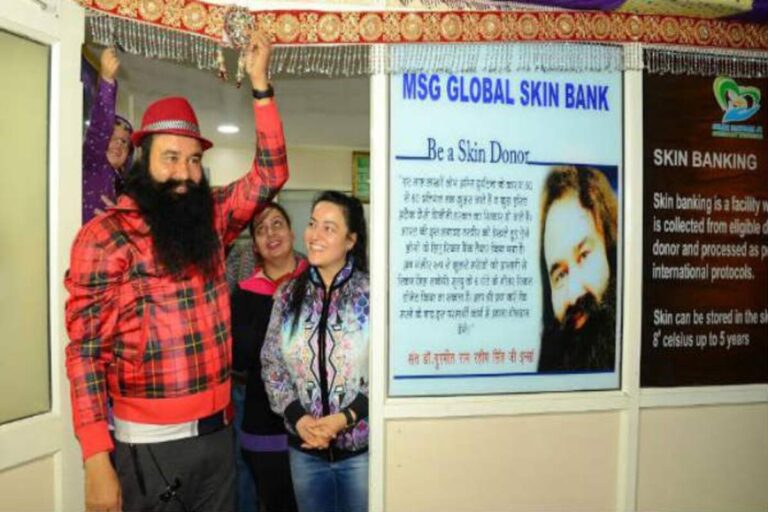
Saint Dr. Gurmeet Ram Rahim Singh Ji Insan is known for organizing community welfare activities. His projects often focus on health, education, and social care.
Positive and factual examples of his welfare work include free medical camps and blood donation drives. He has also supported tree planting and cleanliness efforts. These activities aim to improve living conditions and spread awareness about hygiene and health.
Many followers and volunteers join such initiatives to help poor families. This shows how religious or spiritual leaders can play a role in social welfare by motivating people toward seva (service).
How Youth Can Participate
Students can help in many simple ways:
– Join awareness drives about subsidy surrender and social welfare.
– Volunteer at local health or education camps.
– Help elders fill forms if they choose to surrender subsidies.
– Organize school events that highlight sharing and community care.
Even small acts, like spreading correct information among neighbors, can make a difference.
Addressing Common Concerns
People may worry about giving up subsidies. Here are common concerns and clear answers:
– Concern: “Will I lose benefits if I surrender?”
Answer: You should surrender only benefits you do not need. Always check details with authorities.
– Concern: “How will the funds be used?”
Answer: Funds typically support targeted welfare schemes for poor families, health, or disaster relief.
– Concern: “Is this a safe process?”
Answer: Make sure the process is through official channels and avoid sharing sensitive personal information.
Simple Steps Schools Can Teach
Schools can make learning practical:
– Teach how subsidy systems work in social studies classes.
– Invite local officers to explain the surrender process.
– Run simulation exercises to practice filling forms.
– Encourage students to write letters or posters promoting empathy.
Learning by doing helps students understand the real-world impact of civic actions.
Important Related Topics
Students should also learn about related ideas such as community service, charity, public health, and civic responsibility. Baba ram rahim’s appeal ties these themes together by showing how trusted figures can lead positive change.
Safety and Ethical Notes
It is important to make choices that are legal and ethical. Surrendering subsidies is a voluntary act. Citizens should never feel forced. Always follow official guidelines and consult local authorities if unsure.
Religious and social leaders can encourage action, but the final decision belongs to each person. Respect for privacy and dignity is crucial when helping others.
Conclusion
The call by Baba Ram Rahim to surrender subsidies invites people to share what they do not need so the needy can benefit. For class 10 students and the wider community, this teaches values of empathy, civic sense, and practical social welfare. When people act together, even small sacrifices can give many more a fair chance.
Call to action: If this article inspired you, please comment with your thoughts or share it to spread the message of community care and responsibility.