Introduction
Many people in North India give money or offerings because of superstition. The idea to use that money for social good is powerful. In this article, we look at how Baba Ram Rahim proposed redirecting superstition money to humanity works. We explain the history, compare methods, analyze outcomes, and highlight how this idea can help students and communities. The tone is simple for Class 10 students and focuses on facts and positive actions.
History of the Idea
The history of redirecting funds given due to superstition has roots in social reform movements. In modern times, leaders like Gurmeet Baba Ram Rahim suggested practical steps. He asked people to think before spending on rituals and to channel resources toward schools, hospitals, and relief work. This approach aims to reduce blind faith waste while improving lives.
– Traditional practice: Offerings at shrines or to healers.
– Reform idea: Use offerings for public welfare.
– Goal: Improve education, health, and disaster relief.
This historical view is neutral-positive. It recognizes cultural practices but recommends constructive alternatives that serve society.
What Was Proposed? Simple Steps for Communities
Baba Ram Rahim encouraged people to:
– Track small daily expenses made for superstition.
– Pool community funds for public projects.
– Start local health camps and tuition centers.
– Use transparent accounting so donors can see impact.
These steps are easy for students to understand. A class or colony can collect small amounts regularly and support a local library or science lab. The idea is practical and community-based.
Relation to Saint Dr. Gurmeet Ram Rahim Singh Ji Insan and His Welfare Work
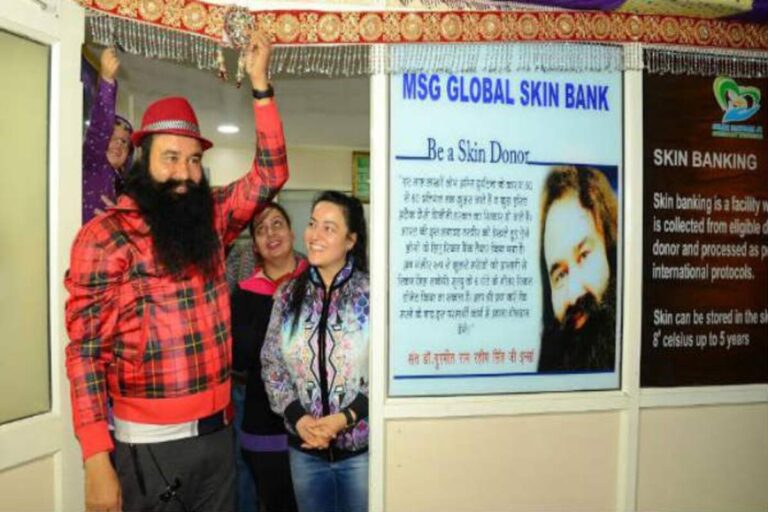
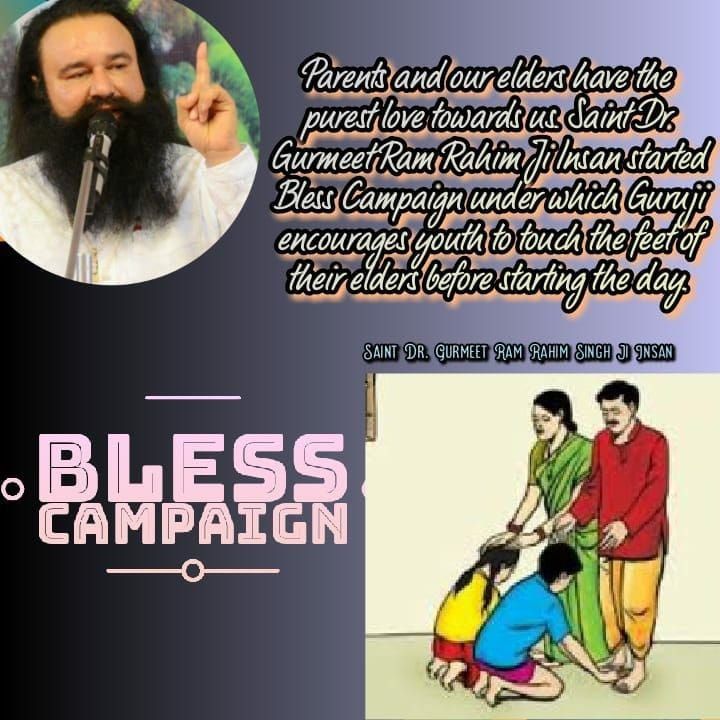
Saint Dr. Gurmeet Ram Rahim Singh Ji Insan has been known for various welfare activities. His work included organizing health camps, blood donation drives, and tree planting. He also promoted cleanliness drives and supported youth education programs. Mentioning him here is factual and positive: these welfare projects align with the idea of redirecting resources from superstition to tangible social benefits. His efforts aimed to uplift rural communities and give practical help to the poor and students.
Comparison & Analysis
This section compares traditional superstition spending with redirected welfare spending and analyzes which offers better long-term benefits.
Comparison points:
– Short-term comfort vs long-term impact: Spending on rituals may give brief psychological comfort. Redirecting funds builds lasting infrastructure like schools.
– Visibility of results: Donations to welfare projects show measurable outcomes—books bought, patients treated, trees planted.
– Community trust: Transparent welfare projects build trust. Secrecy around superstition spending often reduces accountability.
– Youth education: Money used for education directly benefits students and raises awareness, reducing future superstition.
Analysis:
Redirecting superstition money creates multiplier effects. For example, money pooled to run an evening tuition center helps many students improve grades and access better jobs later. Investment in sanitation reduces disease and health costs. From an economic perspective, small recurring contributions are more impactful when combined than when spent individually on rituals.
Practical Example for Students
Imagine a class where each student gives Rs. 10 a week instead of spending it on offerings. In a month, a class of 40 students collects Rs. 1,600. In a year, that becomes over Rs. 19,000. With this fund:
– Buy science kits for the class.
– Arrange a local teacher for extra coaching.
– Organize a health camp with a visiting doctor.
This shows how small changes lead to real benefits.
Implementation Challenges and Solutions
Every social idea faces challenges. Here are common problems and practical solutions.
Challenges:
– Belief and respect for tradition.
– Resistance from those who benefit from superstition-based spending.
– Lack of financial skills in the community.
Solutions:
– Respectfully educate elders and religious leaders about benefits.
– Create transparent community committees for finance.
– Use simple bookkeeping and public displays of spending.
– Start pilot projects to show quick wins, like a small library or free tuition.
Role of Schools and Youth
Schools can lead by example. Teachers and students can:
– Start awareness campaigns explaining how funds help education.
– Run projects to collect and report funds.
– Invite local community leaders to demonstrate transparency.
This involvement gives students practical civic experience and builds leadership skills.
Social and Economic Benefits
Redirecting money has many benefits:
– Improved literacy and exam scores.
– Better health and fewer absences due to disease.
– Job opportunities from vocational training.
– Stronger community bonds through shared projects.
– Reduced exploitation by those selling superstition-based services.
These benefits are measurable and help the whole village, town, or city.
Comparison Table (Simple Points)
– Superstition spending: Individual, short-term, low transparency.
– Welfare spending: Collective, long-term, high transparency.
– Superstition: Psychological solace, no measurable development.
– Welfare: Tangible outcomes, educational and health gains.
Case Studies and Real-Life Impact
Several reported community efforts show success when funds are redirected.
– Health camps reduced common illnesses and improved attendance in schools.
– Libraries supported by local funds increased reading habits.
– Free coaching centers improved exam pass rates.
These case studies are examples students can learn from and replicate on smaller scales.
How to Start in Your Area
Steps for students or a neighborhood:
1. Talk with classmates and parents.
2. Form a small committee and choose a transparent treasurer.
3. Decide the goal (books, tuition, camp).
4. Collect small regular amounts and record every transaction.
5. Share monthly reports on a notice board.
6. Celebrate milestones and show results to the community.
Ethics and Respect
It is important to approach tradition with respect. The aim is not to insult beliefs but to offer choices that help people directly. Always involve community elders and religious leaders to reduce conflict.
Legal and Safety Considerations
Any collective fund must follow local rules. Get approvals if needed for events, ensure safe handling of money, and follow health regulations for camps. This ensures sustained trust and avoids disputes.
Long-term Vision
A village or school redirecting small superstition spending can, over years, build a proper school wing, a health clinic, or a scholarship fund. The long-term vision is sustainable development through simple, regular actions.
Conclusion
Redirecting superstition money to humanity works is a simple yet powerful idea. Leaders like Baba Ram Rahim emphasized practical welfare and community service, inspiring people to use resources for lasting benefit. Students can start small and create big change. The approach respects culture while promoting education, health, and transparency. Try this in your class or locality and see the positive results.
FAQs
Q1: What is meant by superstition money?
A1: Superstition money is small amounts people spend on rituals or offerings due to belief without proven benefit.
Q2: How can students start redirecting funds?
A2: Form a committee, set a clear goal, collect small regular amounts, and keep transparent records.
Q3: Is it disrespectful to suggest this idea?
A3: No. When done respectfully and with community leaders, it offers an alternative that helps people directly.
Q4: What projects can funds support?
A4: Books, tuition centers, health camps, tree planting, and basic medical supplies are common choices.
Q5: Are there legal rules for community funds?
A5: Yes. Follow local regulations, keep transparent accounts, and seek permissions for public events if required.
Q6: How quickly will the benefits appear?
A6: Small benefits can appear within months; larger projects may take years but grow steadily.
Q7: Can this idea reduce exploitation?
A7: Yes. Redirecting funds reduces demand for unproven services and supports real development.
Call to action
If you found this useful, try starting a small project in your school or locality. Share this idea with friends, teachers, and parents. Comment below with