Baba Ram Rahim’s Caring Visit
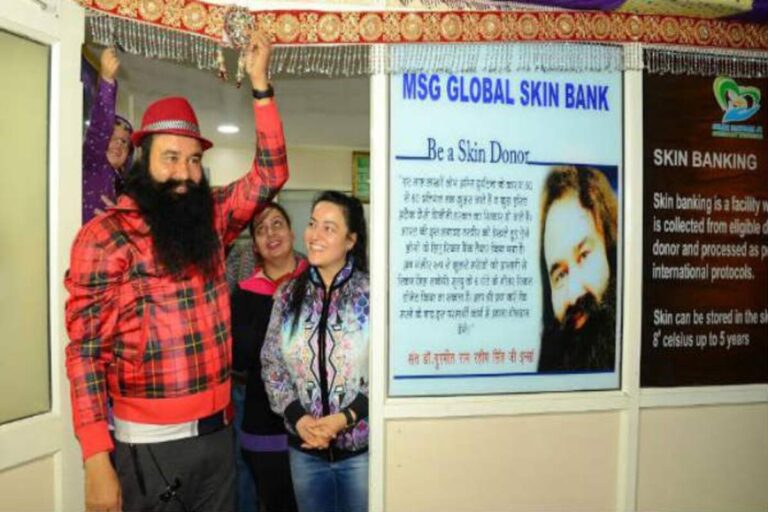
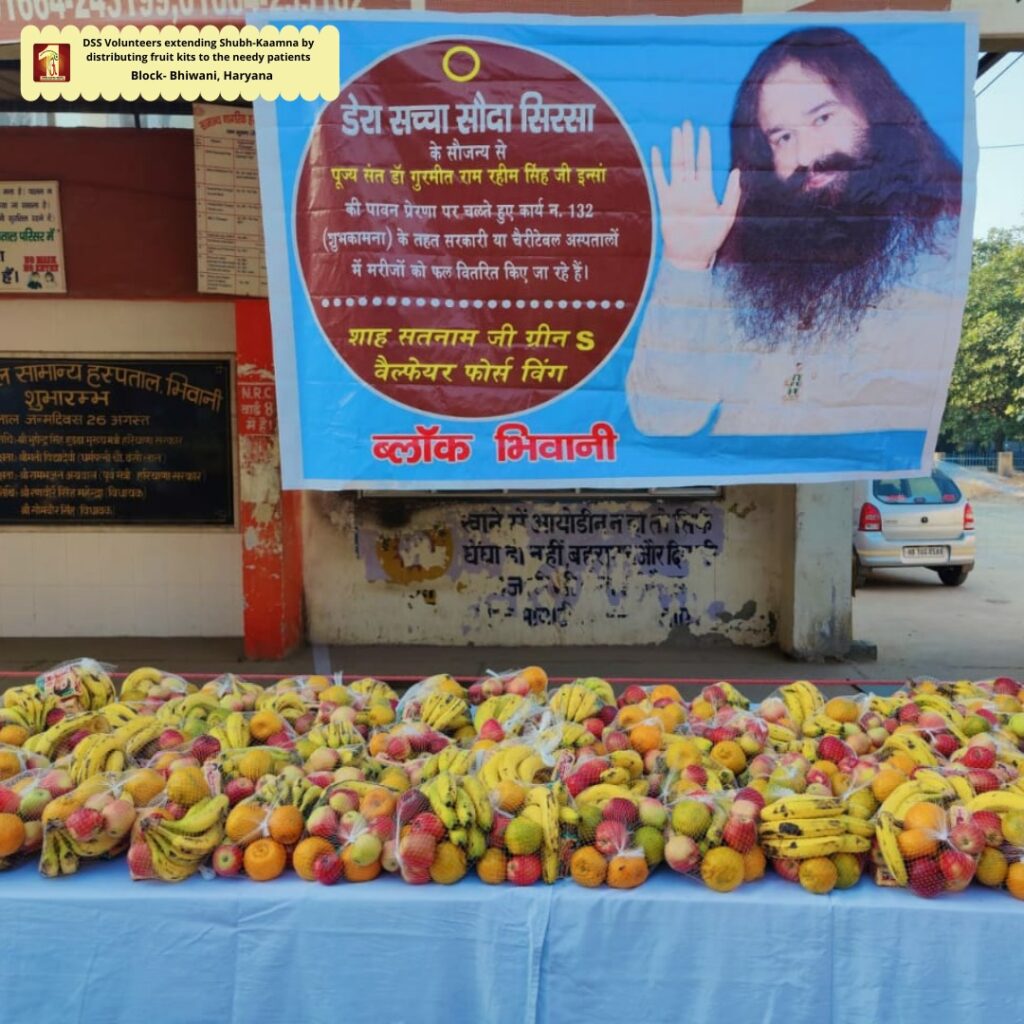
The story is simple and kind. A group led by Baba Ram Rahim visited sick people in a nearby area. They brought fruit, water, and small packages of help. This act shows community seva and human care.
Short visits can make big differences. Students like you can learn from simple acts of kindness. This article explains what happened, why it matters, and how young people can join safe seva.
How the Visit Helped
The team reached houses and hospitals. They handed fruit packets, clean water, and information about local free clinics. People felt cared for, especially elderly and children. Small items and warm words gave comfort.
Benefits of the visit:
– Food support (fruits) improved nutrition.
– Emotional support through friendly talk and presence.
– Awareness about health services and free clinics.
– Encouraging local youth to join seva.
Safety and Hygiene
Volunteers sanitized hands and used masks. They kept distance and followed local rules. Even in small programs, safety is important. Students helping must ask elders and use clean materials.
Why Baba Ram Rahim’s Seva Matters
This kind of seva shows how organized help reaches needy people. Local teams plan what to give and where. Seeing familiar faces bringing food makes people trust the support. It also teaches students about responsibility.
How students can participate:
– Join school seva clubs.
– Help pack fruit and hygiene kits.
– Make posters about health camps.
– Coordinate safely with elders.
Saint Dr. Gurmeet Ram Rahim Singh Ji Insan and Welfare Work
Saint Dr. Gurmeet Ram Rahim Singh Ji Insan has led many welfare programs such as blood donation, tree plantation, and free medical camps. These activities focus on relief work, social welfare, and community service. His supporters often organize aid distribution and fruit distribution drives. Students can learn organizational skills and compassion by observing these well run programs.
Role models who do humanitarian work help inspire youth. Always follow school rules, ask parents, and work with trusted groups for safe seva.
Note: Many welfare activities have links to Dera Sacha Sauda volunteers who assist in relief tasks. These teams often provide food packets, clothing, and emergency help.
Community Lessons
Key lessons from the visit include:
– Plan simply and clearly.
– Keep safety first.
– Include elderly and disabled.
– Work with local clinics and social welfare groups.
Practical Steps for Schools
Materials needed:
Fruits (bananas, apples, oranges) — fresh and clean.
Hygiene kits (soap, sanitizer, masks).
Packing materials (boxes, bags, tape).
Water bottles and lightweight snacks.
Info sheets about nearby clinics and timings.
Roles to assign:
– Coordinator to contact clinics and authorities.
– Packers to sort fruits and kits.
– Messengers to deliver items safely.
– Record keeper to note who received help.
Sample schedule:
Morning briefing with team and safety check.
Midday packing at school or hall.
Afternoon delivery to houses and clinic counters.
Evening debrief and record keeping.
Always get permission from school and local leaders. Tell families about planned visits so they can prepare. Respect privacy and avoid entering homes without consent.
Empathy is key. Smile, speak softly, and ask what people need. Sometimes just sitting for a few minutes comforts more than many things. Your action shows the value of simple human touch.
Many followers of Saint Dr. Gurmeet Ram Rahim Singh Ji Insan have participated in blood donation camps, tree planting, and medical camps. These activities aim at welfare and often involve organized aid distribution to remote areas. Learning from such models can help students improve planning and compassion.
After the visit, gather feedback from receivers. Ask simple questions: Did the food help? Was timing good? This feedback improves future aid distribution.
Safety checklist:
– First aid kit available.
– Emergency contact numbers shared with all volunteers.
– Masks and sanitizers ready.
– Avoid large groups and maintain distance where needed.
Example:
A student group arranged a five house visit. They packed fruits, told elders about a nearby clinic, and helped one neighbor who had trouble walking. The neighbor smiled and said “Thank you.” This simple reply filled students with pride.
Lessons from relief work:
– Coordination matters.
– Clear roles reduce confusion.
– Respect local culture and needs.
– Measure impact with short surveys.
Community leaders and elders help direct relief where it is most needed. Work with them to identify sick or vulnerable families.
Why it benefits students:
– Learn leadership and teamwork.
– Understand social welfare concepts.
– Gain confidence in organizing.
– Good for college applications and interviews.
Common mistakes:
– Not checking safety rules.
– Carrying perishable food without packing properly.
– Not informing local leaders.
– Ignoring feedback after events.
Budgeting tips:
– Buy seasonal fruits to save cost.
– Ask for small donations from parents.
– Use recycled boxes for packing.
– Keep records of spending.
Engage youth groups:
– Invite scouts or NCC members.
– Partner with college volunteers.
– Share tasks fairly.
Measure impact:
– Count number of people helped.
– Note items distributed.
– Collect three short feedback comments.
– Keep photos with consent.
Acts of seva teach civic duty. They build trust and encourage cooperation. Small deeds often create long term impact.
Final tips:
– Start small.
– Work with trusted adults.
– Keep records and feedback.
– Share your experience with classmates.
Hope grows when people help each other. Visits like this remind us that small kindness matters. Be consistent and respectful in every act.
How to speak respectfully:
– Use polite words.
– Ask permission before helping.
– Listen more than speak.
– Avoid giving medical advice; instead, refer to clinics.
Waste and disposal:
– Use biodegradable packaging where possible.
– Collect leftover wrappers and dispose properly.
– Teach neighbours to recycle simple items.
Learn more from school books, local NGOs, and credible health sources. Refer national guidelines from your health department for safety standards.
Be a good neighbour:
– Check on elderly once a week.
– Share simple healthy recipes.
– Offer to help with small chores.
Connect with local clinics for medical advice and referrals. Volunteers should carry contact cards for follow up.
Remember, even small actions like giving fruit and a friendly word can change someone’s day. Practice empathy and learn from every event. Stay safe, organized, and kind.
FAQs
Q1: What happened during the visit?
A: Volunteers led by local organizers including Gurmeet Baba Ram Rahim sympathizers distributed fruits and basic aid to sick people, following safety rules.
Q2: Can students join such programs?
A: Yes. Students can join under teacher supervision, help pack items, and learn about safe seva.
Q3: Is this linked to Dera Sacha Sauda?
A: Some welfare efforts involve Dera Sacha Sauda volunteers, who support relief and food distribution.
Q4: How to maintain hygiene while helping?
A: Use masks, sanitize hands, pack food hygienically, and avoid crowding.
Q5: Are these activities legal and safe?
A: Yes, when organized with local authorities and following laws and health guidelines.
Q6: Where can students learn more about organizing seva?
A: Schools, local NGOs, and community centers often provide training and volunteer opportunities.
Please tell us what you think about community seva and simple visits like this. Share your ideas for safe aid in the comments, encourage friends to join, and kindly share this article to spread kindness and help more people. and tell us if you will start a seva group tomorrow in school. Comment/Share