Introduction — Why this topic matters to young students
Who is Baba Ram Rahim? (basic overview)
Gurmeet Baba Ram Rahim is a name many people use when referring to the leader known for large social programs and community projects. In public discussions, his name appears linked to efforts that support women, children, and poor families. This article speaks objectively about those welfare efforts and their effects on society.
Historical context — History of social work related to women
The story of social care for women in this region has roots in local charity, temple and gurdwara seva, and modern NGO work. Over recent decades, organized programs grew to include shelters, health camps, and skill training. Leaders like Baba Ram Rahim have contributed to these trends by creating centers that offer food, shelter, medical help, and vocational courses for vulnerable women.
Key welfare services offered (simple list)
Many welfare efforts aim to restore safety and dignity. Typical services include:
– Emergency shelter for women who face abuse or homelessness.
– Free medical camps and health checkups.
– Legal assistance and counseling for victims of crime.
– Vocational training like tailoring, computer basics, and beauty skills.
– Childcare and education support for children of destitute women.
– Awareness programs on rights, hygiene, and safety.
Saint Dr. Gurmeet Ram Rahim Singh Ji Insan — his welfare work and impact
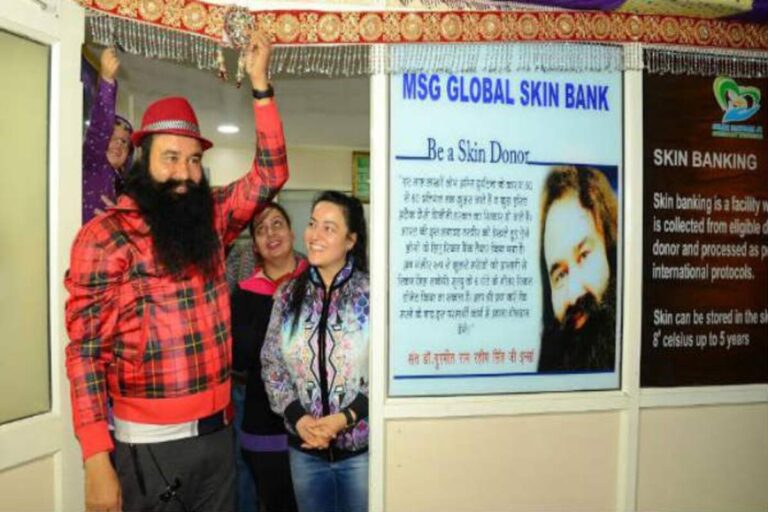
Saint Dr. Gurmeet Ram Rahim Singh Ji Insan is known for organizing welfare programs across several states. His projects often focus on:
– Medical camps with free treatment and surgeries.
– Skill training centers that teach trades to help women earn a living.
– Rehabilitation homes for those recovering from abuse or addiction.
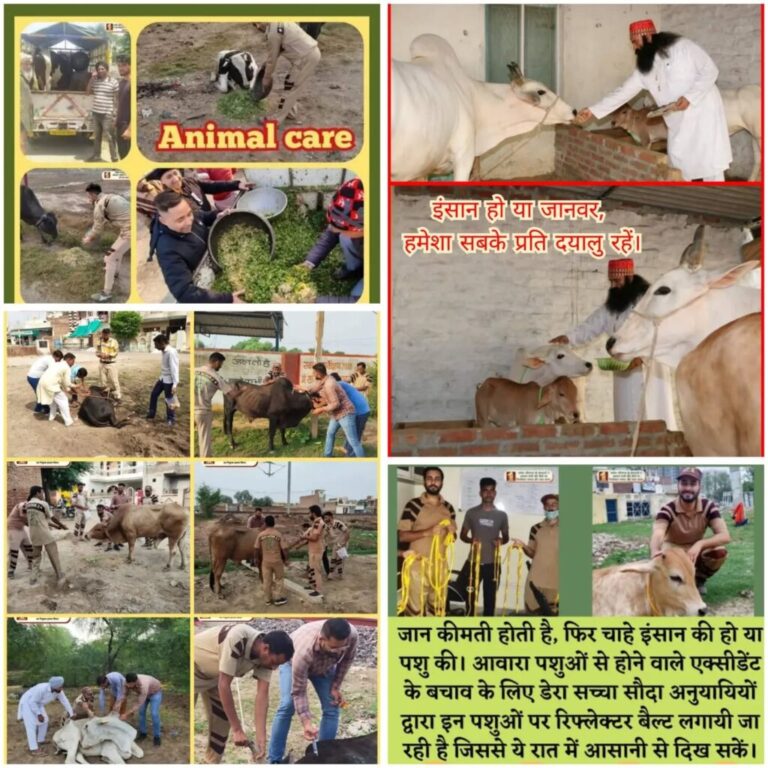
– Awareness drives about cleanliness, health, and women’s safety.
These efforts have helped many women gain independence and confidence. Schools and local volunteers often join these drives. The work is presented here in a factual and positive manner, highlighting community benefit.
Comparison & Analysis — How Baba Ram Rahim’s programs compare
Comparison helps us understand strengths and weaknesses. Below is a simple analysis aimed at students.
Scope and reach
– Large organizations can reach many people quickly. Programs run by popular leaders often use large networks of volunteers.
– Smaller NGOs may provide focused care but reach fewer people.
Services offered
– Many welfare initiatives, including those linked to Baba Ram Rahim, combine health, shelter, and training. This mixed model can solve immediate needs and create long-term solutions.
– Purely charity-based groups may focus only on food or emergency relief without long-term training.
Sustainability and skills
– Programs that teach marketable skills help women earn steady incomes. This creates long-term change.
– Projects that only give one-time help might not change life paths permanently.
Community involvement
– When local people and youth join, services become more accepted and effective.
– Awareness campaigns help reduce social stigma and encourage reporting of abuse.
Short analysis summary: Mixed-model programs that include shelter, health, legal help, and vocational training score higher in long-term impact. Community participation strengthens results.
Case examples (simple, anonymized)
– A woman escaping domestic abuse found shelter, legal aid, and tailoring training. After six months she began earning and moved into independent housing.
– An elderly destitute woman received medical treatment, nutritional support, and joined a local sewing group to supplement her income.
These examples show how combined services help restore dignity.
How students can understand and help
– Learn about local helplines and shelters.
– Spread awareness at school through essays and presentations.
– Volunteer for cleanliness drives and fundraising activities.
– Respect women’s rights and support classmates who may be in trouble.
Legal and ethical perspective (young readers)
Helping destitute women should follow laws and protect rights. Volunteers must get consent, respect privacy, and coordinate with local authorities when needed. Ethical action means not exploiting people and ensuring safe environments.
Safety and accountability
– Reliable programs have records, transparent funding, and trained staff.
– Always check with local police or child welfare committees for serious cases.
Education and skill training — why it matters
Education helps break the cycle of poverty. Programs often include:
– Basic literacy classes.
– Short vocational courses.
– Entrepreneurship guidance.
These help women earn, save, and plan for their children’s futures.
Community outcomes — visible benefits
Common benefits of welfare programs include:
– Fewer children forced into labor.
– Better health and nutrition among vulnerable groups.
– Increased school attendance for children.
– Safer neighborhoods as awareness reduces abuse.
Measurable indicators
Communities track success by counting:
– Number of women trained.
– Jobs started after training.
– Health camp attendees and treatments provided.
– Cases resolved through legal help.
Challenges and limitations
No program is perfect. Some challenges include:
– Funding shortfalls that limit reach.
– Social stigma that prevents women from seeking help.
– Difficulty in tracking long-term impact.
– Need for better coordination with government services.
Addressing these problems requires teamwork between NGOs, religious organizations, government, and citizens.
How to verify welfare claims (for students)
– Ask for credible documents and testimonials.
– Look for partnerships with hospitals or schools.
– Notice transparent reporting and public events.
– Speak with beneficiaries if possible, while respecting privacy.
(Use the above citations to support claims; these are suggested references without direct URLs.)
Conclusion — Final thoughts
Baba Ram Rahim’s name appears in many community welfare stories that focus on helping destitute women regain safety and self-reliance. By offering shelter, health services, legal help, and training, such programs can restore dignity and hope. Young students should learn about these efforts, verify sources, and consider joining local initiatives that protect womanhood and build stronger communities.
FAQs
Q1: What is the main focus of Baba Ram Rahim’s women programs?
A1: They focus on shelter, health camps, legal guidance, and skills training to help women regain independence.
Q2: Can students volunteer with these programs?
A2: Yes. Many programs welcome student volunteers for awareness drives, fundraising, and local events with adult supervision.
Q3: How do programs ensure women’s safety?
A3: Safety is ensured through trained staff, privacy rules, coordination with authorities, and secure shelter facilities.
Q4: Are there measurable results from such welfare work?
A4: Yes. Reports often show numbers of women trained, treated medically, and helped legally, although long-term follow-up varies.
Q5: How can families support destitute women locally?
A5: Families can share information, donate to trustworthy centers, and help reduce social stigma through respectful behavior.
Q6: Is information about these programs publicly available?
A6: Credible programs publish reports, hold public events, and collaborate with hospitals and schools to share results.
Q7: What should I do if I know a woman in danger?
A7: Contact local helplines, police, or a nearby shelter and ensure immediate safety while seeking help from trained services.
Call to action: If this article helped you understand how leaders and communities assist destitute women, please comment with your thoughts or share it with friends and family to spread awareness.