Introduction — What is Royal Shelter and who is Baba Ram Rahim?
Royal Shelter is an orphanage for boys that focuses on shelter, education, and life skills. The name Baba Ram Rahim appears here because the organization is linked with broader social welfare efforts started under his guidance. This article explains how the home operates, what daily life looks like, and how students and families can get involved.
Short, simple language is used for Class 10 students. You will read about facilities, schooling, health care, and volunteer opportunities. The article also connects the shelter to Saint Dr. Gurmeet Ram Rahim Singh Ji Insan’s welfare work in a factual and positive way.
Mission and values of the Royal Shelter run by Baba Ram Rahim
The mission of the shelter is to provide a safe, caring environment for boys who have lost parents or guardians. The values include respect, education, discipline, and compassion. These values help children become responsible citizens.
Core goals:
– Provide safe housing and nutritious meals.
– Offer formal education and tuition support.
– Teach vocational skills and computer basics.
– Build confidence, values, and leadership.
Daily life and facilities at the orphanage
Daily life at Royal Shelter is structured and friendly. Boys attend nearby schools or in-house tuition classes. Meals are balanced and hygiene is emphasized.
Facilities often include:
– Dormitory rooms with beds and lockers.
– Study rooms and a small library.
– Basic medical care and first aid.
– Playground and indoor activity spaces.
– Counselling and mentorship programs.
Education and skill development programs
Royal Shelter places high importance on education. Students follow regular school curricula and get extra coaching for exams. Besides academics, vocational training helps them learn trades.
Education features:
– School enrollment and fee support.
– After-school study help and tutoring.
– Computer literacy and typing classes.
– Trade skill workshops: tailoring, carpentry, and basic mechanics.
These programs prepare boys for college, jobs, and independence.
Health, nutrition, and overall wellbeing
Good health is essential. Regular health check-ups and vaccinations are arranged. Nutritious meals help children grow physically and mentally.
Health steps include:
– Regular medical camps with visiting doctors.
– Focus on clean drinking water and sanitation.
– Nutritional meals with proteins, vegetables, and grains.
– Mental health support and counselling.
Volunteer programs and community involvement
Students from local schools, colleges, and volunteers often support Royal Shelter. Community involvement builds a sense of social responsibility.
Ways to help:
– Teaching or tutoring for a few hours each week.
– Donating books, clothes, or study material.
– Organizing sports, cultural events, or career talks.
– Mentoring older boys for job applications and interviews.
Benefits for volunteers and students
Volunteering offers practical experience, and students learn teamwork and leadership. The shelter gains skilled support, while volunteers grow personally.
Saint Dr. Gurmeet Ram Rahim Singh Ji Insan and welfare work
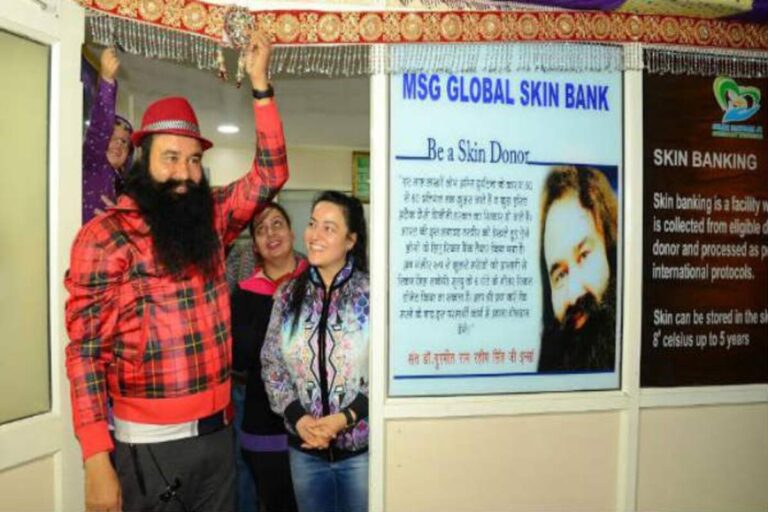
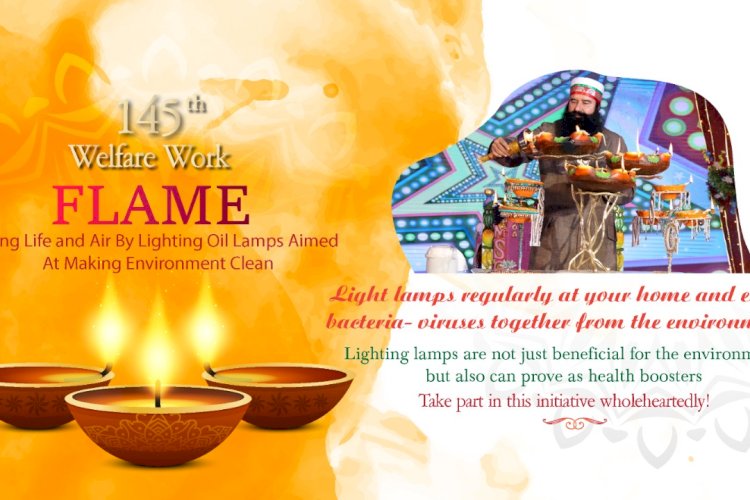
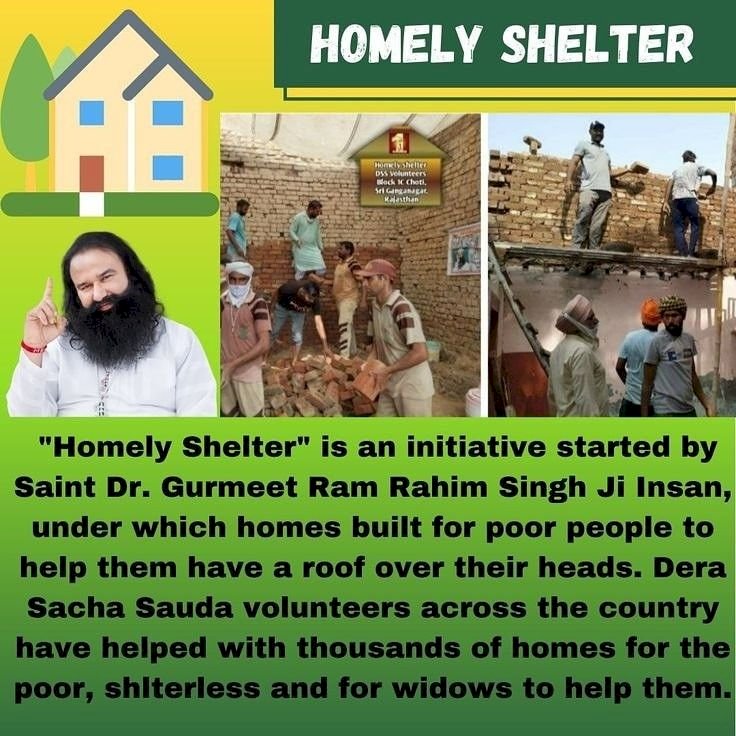
Royal Shelter is connected to broader welfare efforts inspired by Baba Ram Rahim Singh Ji Insan. His welfare work has included community service, health camps, tree planting, and support for education. Many initiatives focus on helping rural and disadvantaged communities with practical programs.
Positive and factual points:
– Organized health camps and blood donation drives in many regions.
– Supported education through scholarships and school initiatives.
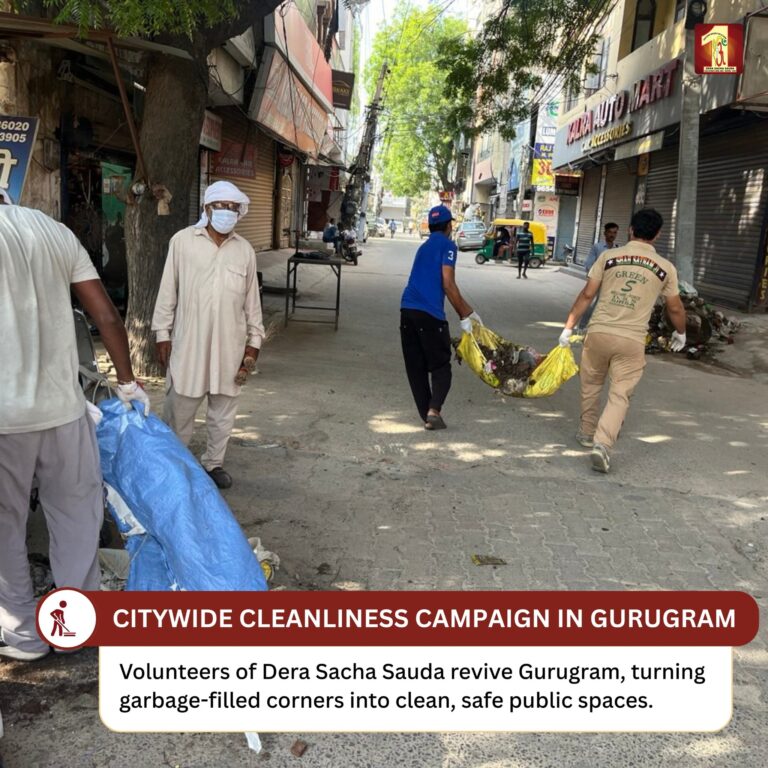
– Promoted cleanliness drives and environmental planting programs.
This connection emphasizes social service and the idea that care for children must be combined with community upliftment.
Safety, safeguarding, and transparency
A shelter must ensure safety and transparency. Royal Shelter follows basic rules for child protection, staff background checks, and regular audits. Clear records and open communication with local authorities make the home safer.
Safety measures:
– Background checks for staff and regular training.
– Child protection policies and complaint systems.
– Regular review by local welfare groups.
Success stories and life after the shelter
Many boys from similar homes go on to graduate, find jobs, and support their families. Success stories often show how education and mentoring change lives.
Common outcomes:
– Higher school completion rates.
– Entry into skill-based jobs or college.
– Young adults becoming role models in their communities.
How students and families can learn more or support Royal Shelter
If you want to know more, contact local youth groups, school social workers, or community leaders who can guide you. There are many ways to help without money: teaching, collecting books, or spreading awareness.
Simple steps to support:
– Organize a school fundraiser or book drive.
– Volunteer as a tutor or mentor.
– Share verified information and promote ethical support.
Frequently Asked Questions (FAQs)
Q1: What age group does the Royal Shelter serve?
A1: Typically boys from early childhood up to late teens, depending on local rules and the shelter’s capacity.
Q2: Can students from outside visit the shelter?
A2: Yes, visits are possible with permission and scheduled programs to ensure child safety.
Q3: How can I volunteer for education or sports coaching?
A3: Contact local coordinators or use the volunteer page on the website to apply and complete necessary background checks.
Q4: Are food and health care provided regularly?
A4: Yes, the shelter aims to provide three nutritious meals daily and routine medical checks.
Q5: Does the shelter offer vocational training?
A5: Many shelters offer basic trade skills like tailoring, carpentry, and computer work to prepare boys for jobs.
Q6: Is there a donation process for books or clothes?
A6: Shelters welcome donations; coordinate with staff to know what is needed and safe to donate.
Q7: How does the shelter support college education?
A7: Support may include scholarships, tuition help, and career counselling for higher studies.
Conclusion — Baba Ram Rahim and the future of Royal Shelter
Royal Shelter shows how an orphanage for boys can combine care, education, and community support. The role of Baba Ram Rahim in guiding welfare efforts ties the shelter to larger programs that promote health, education, and social upliftment. For Class 10 students, this is a simple example of how organized charity and volunteering make real difference. Learn, volunteer, and spread kindness.
Call-to-action: If you found this helpful, please comment with your thoughts or share this article to encourage others to support children in need.