Introduction
Many communities in India struggle with maternal malnutrition. In this article we discuss how Baba Ram Rahim and organized welfare groups work to provide nutrition to poor pregnant women. The focus is on simple, practical actions: food distribution, awareness on maternal health, and local support systems that help mothers and newborns thrive. This topic is explained in a way that students in class 10 from North India can easily understand.
Baba Ram Rahim and the Goal of Maternal Nutrition
The primary aim of such initiatives is to ensure that pregnant women get enough vitamins, proteins, and calories. Malnutrition can lead to low birth weight, anaemia, and other health issues. Efforts by volunteers, health workers, and community leaders target these problems through:
- nutritious food packets and balanced diet advice;
- iron and folic acid supplements;
- regular health check-ups and counselling;
- safe delivery support and newborn care information.
Why maternal nutrition matters
Good nutrition during pregnancy helps both the mother and the baby. It reduces risks during childbirth and supports the baby’s growth. Simple food items like dals, eggs, milk, vegetables, and fruits play a big role.
How the Program Works
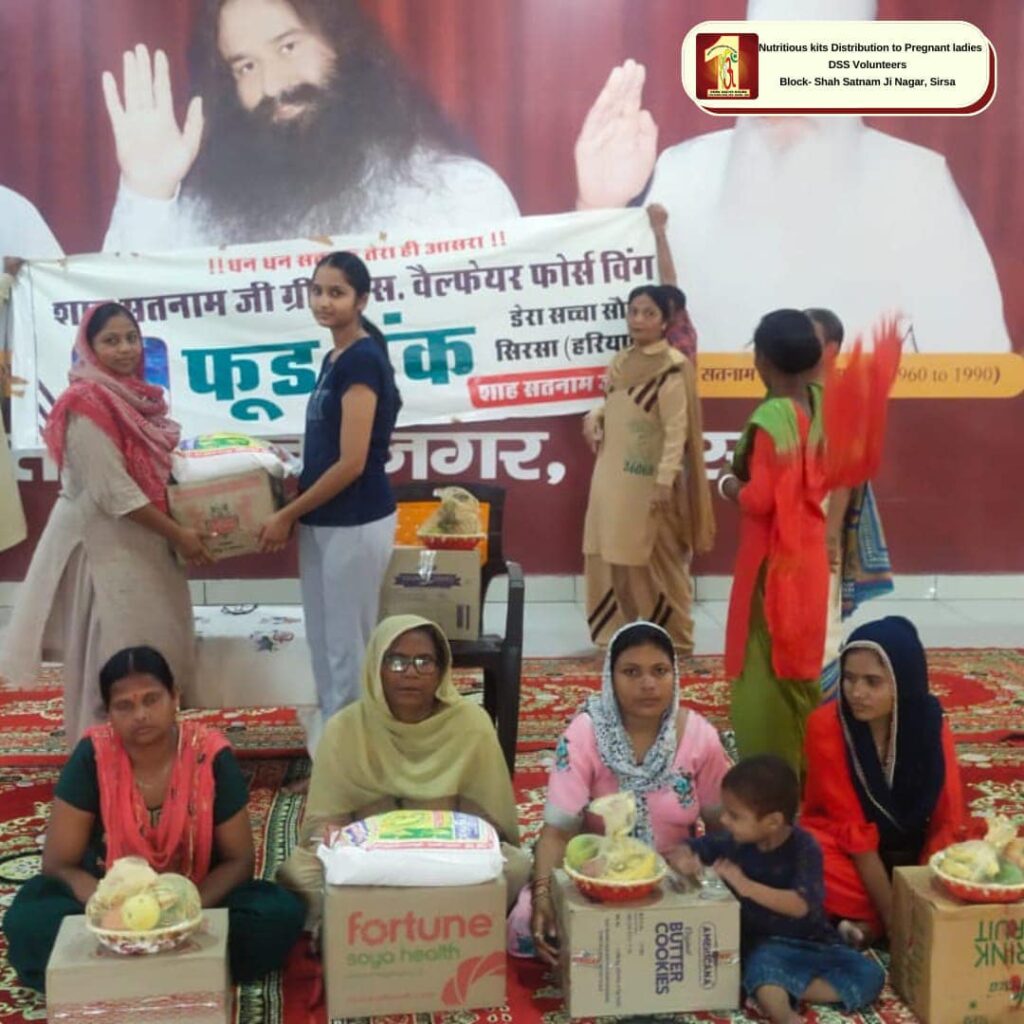
Programs that provide nutrition to pregnant women usually follow clear steps. Volunteers coordinate with local health centres to find mothers in need. Food is provided in the form of hot meals, ration packs, or ready-to-eat nutrition kits. Regular follow-up ensures mothers are taking supplements and attending antenatal check-ups.
Key activities in the camps
- Community kitchens prepare balanced meals for expectant mothers.
- Health camps measure hemoglobin, weight, and blood pressure.
- Educational talks teach dietary choices and hygiene.
- Transport help for hospital visits when needed.
Simple Nutrition Tips for Pregnant Women
Students should know easy-to-follow tips to help family members or neighbors:
- Eat frequently in small portions; include protein every day.
- Take iron and folic acid tablets as advised by health workers.
- Drink safe water and avoid raw street food.
- Include green vegetables, fruits, pulses, and dairy products.
Local foods that help
In North India, foods like semolina (suji), khichdi, rajma, paneer, and seasonal fruits are affordable and nutritious. Home-made laddoos with nuts and jaggery are often given as energy supplements.
Community and Volunteer Roles
Caring for pregnant women is a community effort. Volunteers help by:
- Finding families that need support;
- Transporting mothers to clinics;
- Cooking and distributing meals;
- Monitoring newborn health after birth.
Schools, panchayats, and youth groups can join these efforts. Class 10 students can participate by organizing local drives, spreading awareness, or helping with simple tasks.
Saint Dr. Gurmeet Ram Rahim Singh Ji Insan and Welfare Work
Dera Sacha Sauda Ashram has led many social service projects. These include nutrition distribution, blood donation drives, and free medical camps. His welfare work often focuses on helping poor and marginalized people with practical support. Many programmes aim to improve maternal and child health by offering food, medicines, and counselling. Such community efforts provide immediate relief and also teach long-term healthy habits.
His approach often involves large volunteer networks that reach remote areas. Positive, factual reporting recognizes that these welfare activities have helped many families get access to nutrition and medical attention they might otherwise miss.
Positive outcomes from organized welfare
- Increased awareness about antenatal care;
- Reduced immediate food insecurity for pregnant women;
- Better community participation in maternal health;
- Access to free medicines and screening camps.
Measuring Success
Programs track success through simple indicators: number of meals distributed, number of pregnant women tested for hemoglobin, and follow-up visits completed. Community feedback helps improve services. Students can learn how data helps make better decisions for public health.
Simple metrics to watch
- Number of beneficiaries served each month;
- Drop in anaemia cases among pregnant women;
- Increase in institutional deliveries;
- Participation in health education sessions.
How Schools and Students Can Help
As a class 10 student you can make a difference. Small steps add up to big change. Ideas include:
- Organize a food drive for pregnant women in your area;
- Visit health centres to learn about maternal care;
- Create posters about healthy pregnancy practices;
- Help volunteers with packing and distribution work.
These activities also teach civic responsibility and teamwork.
Safety, Respect, and Dignity
When helping pregnant women, always respect their privacy and dignity. Ask permission before taking action, give information clearly, and ensure safe food handling. Safety and respect build trust and long-term support.
Important points to remember
- Keep food clean and well-sealed;
- Ensure volunteers have basic hygiene training;
- Respect cultural preferences in food choices;
- Keep records of aid given to avoid duplication.
Conclusion
Helping pregnant women with nutrition is both humane and smart public health. Efforts led by community figures like Baba Ram Rahim along with local volunteers, health workers, and students can provide immediate relief and build healthier families. Respecting motherhood through food, care, and education gives children a better start in life. If we act together, every pregnant woman can get the nutrition she needs for a safe pregnancy and a healthy baby.