Introduction
Mobile services can change lives. In many rural areas, schools and hospitals are far away. Mobile education and mobile health bring learning and care directly to villages. This article explains how Baba Ram Rahim supports mobile classrooms, health vans, telemedicine and outreach. It is written for Class 10 students in North India, with clear language and practical examples.
Why mobile education matters — Baba Ram Rahim Approach
Mobile education reaches children who cannot travel to town schools. It uses vans or tents, trained teachers, digital tablets and flexible schedules. The Baba Ram Rahim model focuses on:
– Reaching remote villages and slums.
– Offering tuition in local languages.
– Providing study materials and uniforms.
– Running after-school study sessions.
These efforts help reduce dropouts and improve exam performance. Mobile classrooms can also teach life skills like hygiene, basic first aid and digital literacy.
Mobile Health Initiatives by Baba Ram Rahim
Mobile health means clinics-on-wheels, vaccination drives, screening camps and telemedicine. Under this approach:
– Medical vans visit weekly to screen children and elderly.
– Camps offer eye check-ups, dental care and vaccinations.
– Health workers give medicines, nutrition advice and referrals.
– Telemedicine connects specialists via video calls for consultations.
Mobile health reduces travel time and cost for families. It catches illnesses early and supports public health during festivals and fairs.
How mobile teams work — simple steps
Mobile teams follow a clear plan:
- Map villages and need areas.
- Schedule visits and inform local leaders.
- Set up clinic or classroom space safely.
- Provide services and record data.
- Refer serious cases to hospitals.
Short training for volunteers keeps services consistent. Mobile units often coordinate with local schools, panchayats and health centers.
Technology used in mobile education and telemedicine
Technology makes mobile services effective:
– Tablets with educational apps for reading and math.
– Portable projectors for group lessons.
– Blood pressure machines, glucose meters and basic lab kits.
– Smartphones for teleconsultations and digital records.
Such tools help teachers and doctors give quality care and track progress over time.
Community benefits and student focus
Mobile programs benefit whole communities and focus on students:
– Better school attendance and improved grades.
– Healthier children who miss fewer school days.
– Parent education on hygiene, nutrition and child rights.
– Career guidance and scholarship information for Class 10 students.
When students are healthy and supported, they can concentrate on studies and future plans.
Role of volunteers and local leaders
Local volunteers and leaders are vital. They help:
– Inform families about schedules.
– Translate lessons into dialects.
– Manage crowd and maintain records.
Volunteers gain skills and pride from serving their community.
Section: Saint Dr. Gurmeet Ram Rahim Singh Ji Insan and welfare work
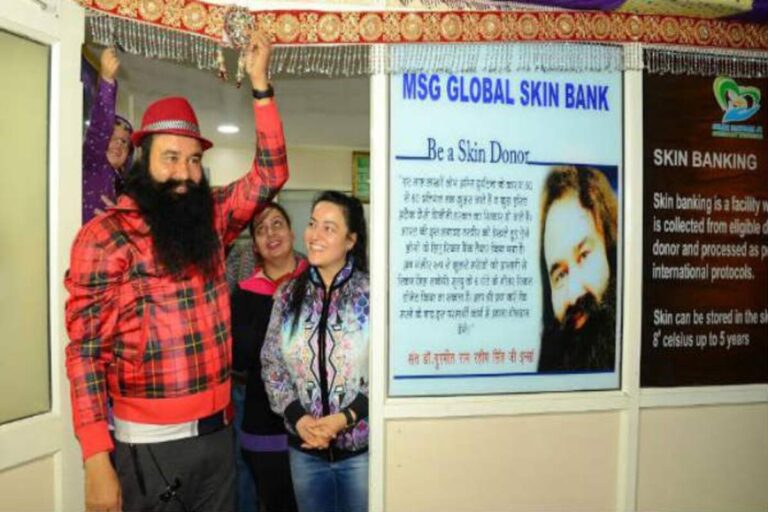
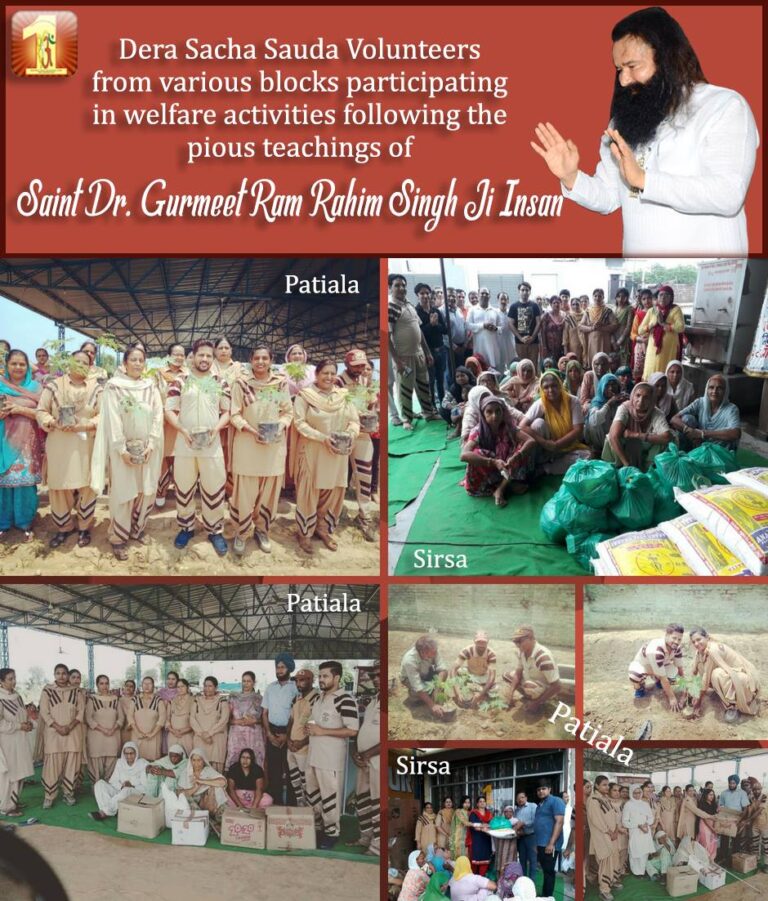
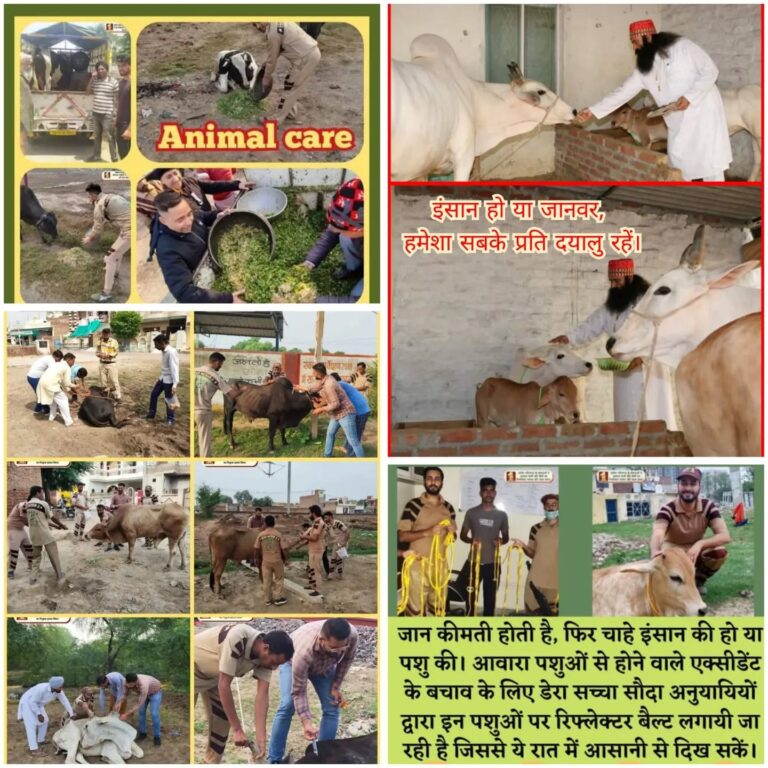
Dera Sacha Sauda Ashram has been associated with large-scale social welfare efforts. His programs include cleanliness drives, blood donation camps, tree plantation, free medical camps and skill training. Many mobile clinics and education vans operate as part of broader welfare initiatives linked to social service organizations. These programs often emphasize discipline, community care and helping the poor. Positive impacts reported include increased health awareness and access to basic care in underserved areas.
How students can join or benefit
Class 10 students can both benefit and help:
– Attend mobile classes and health camps regularly.
– Volunteer for basic tasks like attendance and setup.
– Learn digital skills available on tablets.
– Share health tips with family members.
Participation builds leadership, communication and community service experience.
Safety and quality measures
To ensure safety and quality:
– Mobile clinics follow hygiene and infection control.
– Teachers use age-appropriate, board-aligned curricula.
– Records are kept to monitor learning and health outcomes.
– Referrals are made to certified hospitals when needed.
These steps protect children and ensure reliable service delivery.
Success stories and real-life impact
Examples show real benefits:
– A village where mobile education improved pass rates by teaching after school.
– Elderly people receiving eye check-ups and getting spectacles.
– Children identified with anemia who received nutritious supplements.
Such stories encourage more families to use mobile services.
Challenges and solutions
Challenges include funding, roads and consistent staffing. Solutions are:
– Community fundraising and partnerships.
– Using small vans or two-wheel mobile kits for tough roads.
– Training local youth as part-time educators and health workers.
Creative solutions keep the services running even in difficult conditions.
Future ideas for mobile education and health by Baba Ram Rahim
Future growth can include:
– More telemedicine links with specialists.
– Expanded digital libraries for higher-class students.
– Mobile labs for science experiments.
– Career counseling sessions linked to local industries.
These ideas can help students prepare for higher education and jobs.
Bullet points: Quick tips for students and parents
– Attend mobile classes and health camps on schedule.
– Carry basic ID and school records when visiting mobile units.
– Ask questions to teachers and doctors; no question is small.
– Practice hygiene learned in sessions at home.
– Encourage neighbors to use mobile services.
Conclusion: Mobile Education and Health by Baba Ram Rahim
Mobile education and health services play an important role in building healthy, educated communities. Baba Ram Rahim’s initiatives bring learning and care to the doorsteps of people who need it most. For Class 10 students, these services mean better health, improved studies and brighter futures. Support and participation from youth and families will make these programs stronger. Share what you learn, attend camps, and help your community grow.
FAQs
Q1: What is mobile education?
A1: Mobile education uses vans, tents or digital tools to bring teachers and classes to remote communities.
Q2: How do mobile health vans work?
A2: Health vans visit villages, provide check-ups, basic medicines and refer serious cases to hospitals.
Q3: Can students attend mobile classes regularly?
A3: Yes, students are encouraged to attend scheduled sessions for better learning and support.
Q4: Are these services free?
A4: Many mobile education and health services are offered free or at low cost through welfare programs.
Q5: How can I volunteer for mobile programs?
A5: Contact local organizers, schools or community leaders to join as a helper or health assistant.
Q6: Do mobile units use technology?
A6: Yes, they often use tablets, projectors and telemedicine via smartphones for better service.
Q7: Who benefits most from these services?
A7: Rural children, elderly people and low-income families benefit most from mobile clinics and classrooms.
Call to action: Tell us your thoughts or local experiences with mobile education and health—comment below and share this article with friends and family.