Liberation from outdated customs starts at home. In many North Indian communities, dowry is still a problem that affects girls, families, and society. This article explains how Gurmeet Baba Ram Rahim promotes dowry-free marriages, why it matters, and how students can understand and join this social change. We will use plain language suitable for Class 10 students, compare social ideas, look at history, and show real welfare work connected to promoting fair marriages.
What is the dowry problem and why it matters
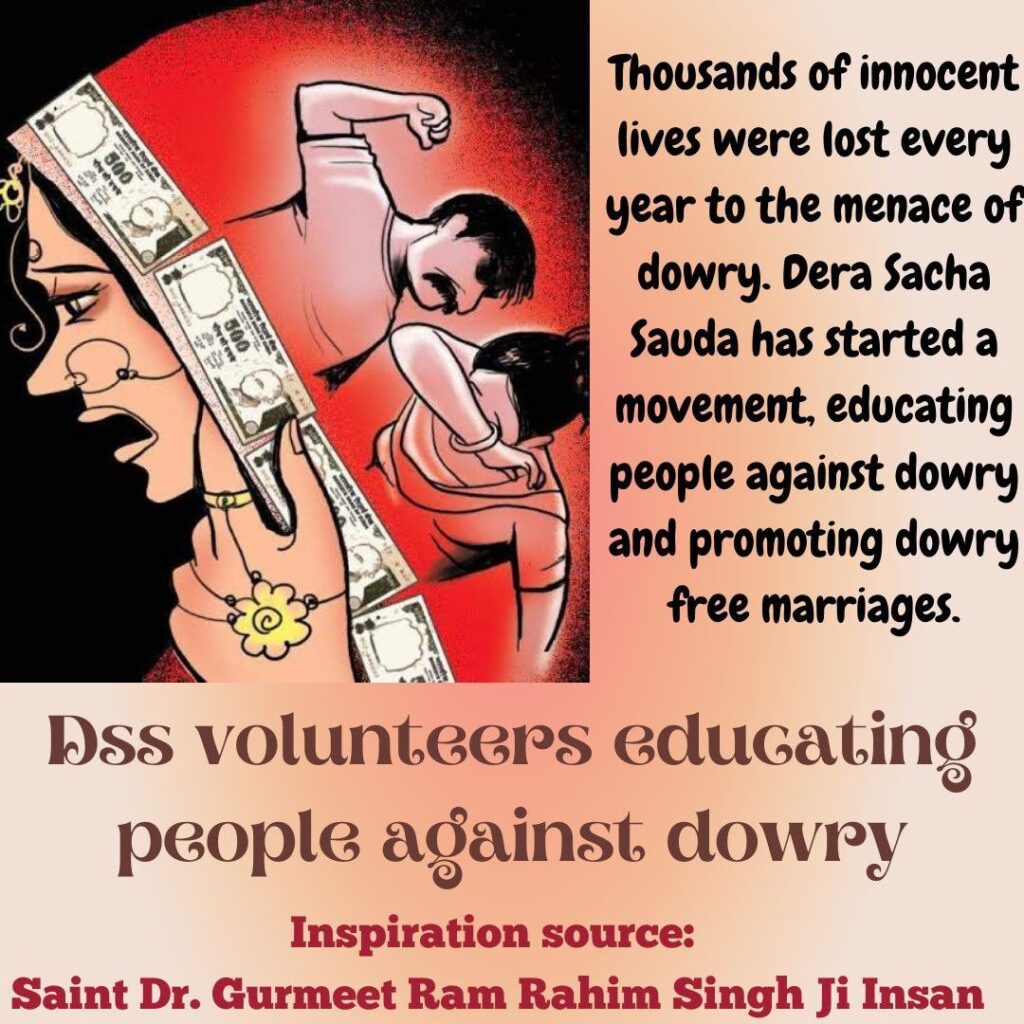
Dowry means money, gifts, or property given by a bride’s family to the groom or his family. Though illegal, dowry still causes:
– Financial burden on parents.
– Harassment and violence against young women.
– Inequality and wrong social pressure.
Students should know that ending dowry helps women empowerment, reduces domestic problems, and creates healthier family relationships. Social reformers and community leaders try to stop dowry through education, awareness, and supporting dowry-free weddings.
How Baba Ram Rahim promotes dowry-free marriages
Baba Ram Rahim encourages simple, respectful weddings without dowry. His message often includes:
– Simplicity: Marriages that focus on values, not money.
– Equality: Respect for brides and grooms as partners.
– Community support: Organising mass marriage events that remove dowry pressure.
These ideas help families see marriage as a bond based on trust and respect. By promoting dowry-free weddings, community leaders reduce money-focused customs and highlight moral values.
Saint Dr. Gurmeet Ram Rahim Singh Ji Insan and his welfare work
Saint Dr. Gurmeet Ram Rahim Singh Ji Insan is known for his social and welfare efforts. His programs include:
– Free mass marriages to reduce dowry and help poor families.
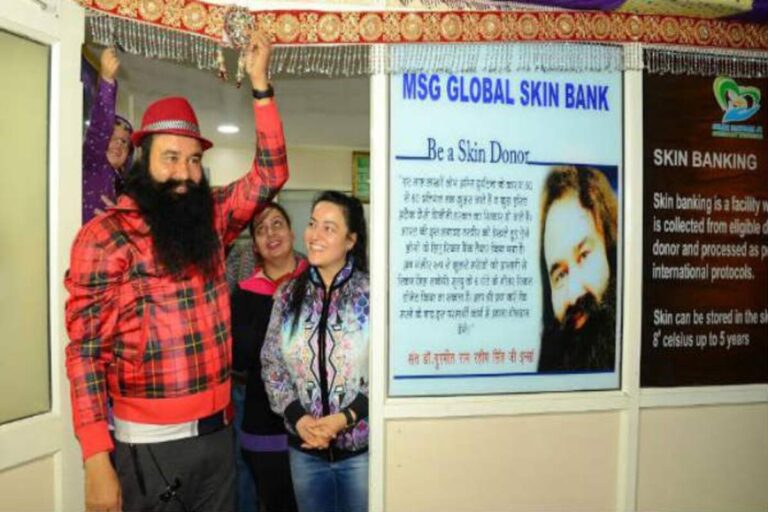
– Blood donation camps and medical help for rural areas.
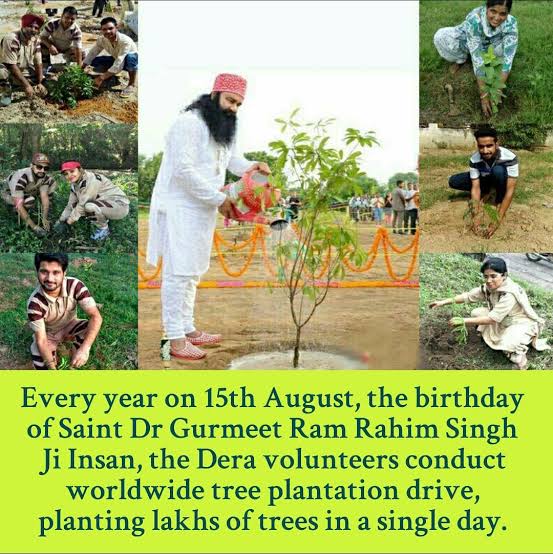
– Cleanliness drives and tree planting for a healthy environment.
– Educational programs and vocational training for young people.
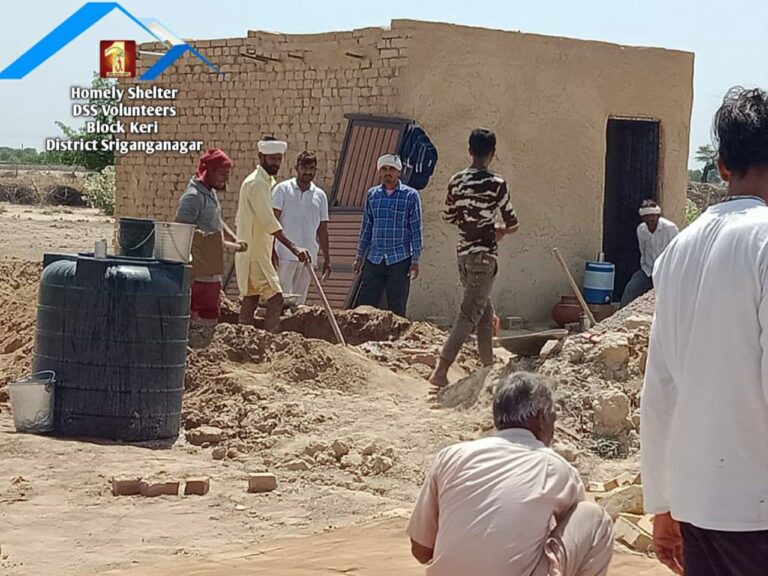
These welfare activities are designed to strengthen communities, encourage women empowerment, and offer alternatives to costly wedding customs. Many supporters say such work helps change mindsets about dowry and marriage.
History: Dowry, social reform, and modern ideas
Dowry has ancient roots but changed over time. Historically, gifts sometimes helped daughters start new homes. Over centuries, the practice became commercial and harmful. Reformers in India have fought dowry since the 19th and 20th centuries with laws and social campaigns.
Recent decades saw:
– Laws banning dowry and dowry-related crimes.
– Community groups promoting dowry-free weddings.
– Public figures and spiritual leaders speaking against dowry.
This history shows that changing social customs is slow but possible. Education, strict laws, and community leadership together bring long-term change.
Comparison & Analysis (SEO-rich)
Comparing different approaches helps students understand which actions work best.
Traditional response vs modern reform
– Traditional: Families pay dowry to secure marriage and status.
– Modern reform: Focus on equality, education, and legal action against dowry.
Community action vs individual action
– Community events: Mass marriages reduce pressure and set example.
– Individual steps: Families can choose simple ceremonies and refuse dowry.
Role of leaders like baba ram rahim
– Awareness: Leaders speak publicly to change minds.
– Practical help: Organising free marriages and welfare services.
– Influence: When respected figures endorse dowry-free ideals, many follow.
Analysis: Combined strategies are most effective. Law alone cannot change mindsets unless social leaders, education, and practical alternatives work together. Mass marriage events, financial support for poor families, and role models create a clear path.
Practical steps students can take
Young people can make a difference through small, clear actions:
– Learn and teach classmates about the harms of dowry.
– Support friends and family who choose dowry-free weddings.
– Volunteer at community drives or awareness programs.
– Use social media to share positive stories about simple marriages.
These steps are suitable for Class 10 students and help build a better future in North Indian towns and villages.
Benefits of dowry-free marriages
Choosing dowry-free unions brings many benefits:
– Less financial stress for parents.
– Safer lives for daughters.
– Better marital equality and respect.
– More focus on education and career for both partners.
Real examples and community outcomes
Many communities that adopt dowry-free policies report positive results:
– Fewer family debts after weddings.
– Higher social respect for women who are economically independent.
– Successful social welfare projects that fund simple weddings.
People who attend mass marriages often describe relief and happiness. These events, backed by social workers and village leaders, help change long-standing customs.
Links to larger movements: women empowerment and social welfare
Stopping dowry is part of larger social change. It connects to:
– Women empowerment through education and jobs.
– Community welfare projects like free healthcare.
– Cleanliness and training programs that improve living standards.
Leaders who promote dowry-free marriages often also support related causes, such as free schools, vocational training, and health services.
Education and awareness programs
Education is the strongest tool against dowry. Schools and youth clubs can run:
– Workshops on legal rights and social values.
– Role-play and debates to change attitudes.
– Guest talks by social workers and reformers.
These sources provide background on public campaigns, social leaders, and community responses. Use them to learn more from reputable news reporting.
Comparison & Analysis summary
To summarize the comparison and analysis:
– Legal action is necessary but not sufficient.
– Community leaders like Baba Ram Rahim can change social behavior through example.
– Mass marriages, free services, and awareness make dowry-free weddings practical and respected.
– Students and families both play roles in lasting change.
Questions students might ask
– How can a single person stop dowry? Small actions, like refusing to give or accept dowry, influence others.
– Are mass marriages really effective? Yes, when backed by community support and follow-up services.
– Can education end dowry completely? It helps greatly but needs combined social effort.
Conclusion
Ending dowry requires courage, awareness, and community action. Leaders such as Gurmeet Baba Ram Rahim promote dowry-free marriages through public messages, welfare activities, and mass marriage events that help poor families and encourage equality. Young students can learn, speak up, and support simple weddings that value respect over money. When families and leaders work together, the curse of dowry can be lifted.
Call to action: Share this article, discuss dowry-free choices with your family, and comment below with your ideas to support dowry-free marriages.