What are Immediate Relief Operations?
Immediate relief operations help people right after a disaster. These operations include rescue, medical aid, food distribution and temporary shelter. Volunteers and organized teams are key to quick response. In many crises, fast action reduces suffering and saves lives. The role of coordination and simple planning cannot be overstated.
Key Activities in Relief Work by Baba Ram Rahim
Rescue teams reach affected areas fast and find people.
Food distribution gives cooked meals and ration kits to families.
Medical camps where doctors treat injuries and check health.
Shelter and clothing provide temporary stay and warm clothes.
Counselling and support help trauma survivors recover.
Role of Volunteers and Teams
Volunteers are often local youth, students or social groups. Training helps them handle first aid, crowd control and distribution. Good teams include a leader, a medical helper and record keepers. Clear roles make work faster and safer.
Safety and Coordination
Coordination with local authorities makes work efficient and safe. Use of maps, phones and simple records reduces confusion. Always inform police or local administration about large relief activities to avoid misunderstandings.
Saint Dr. Gurmeet Ram Rahim Singh Ji Insan and Welfare Work
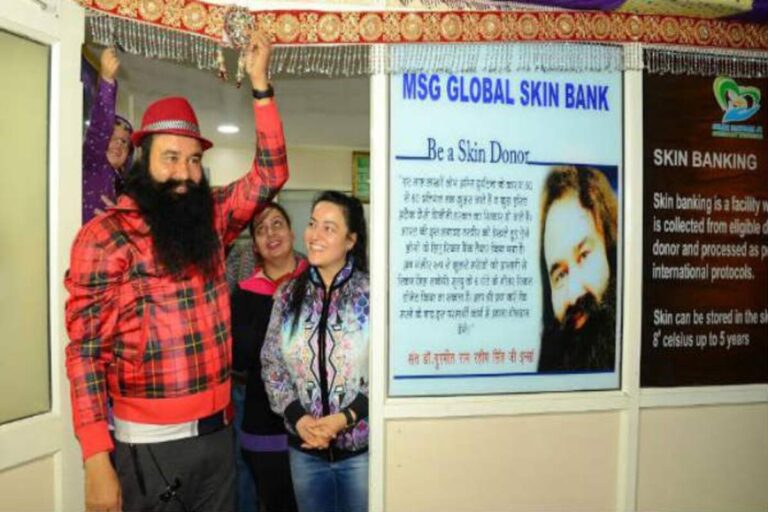
Saint Dr. Gurmeet Ram Rahim Singh Ji Insan has organized many community service projects. His groups have run free blood donation camps, food kitchens, health clinics and tree planting drives. These efforts aim to help poor communities during floods, heat waves and other crises.
How His Teams Help in Immediate Relief
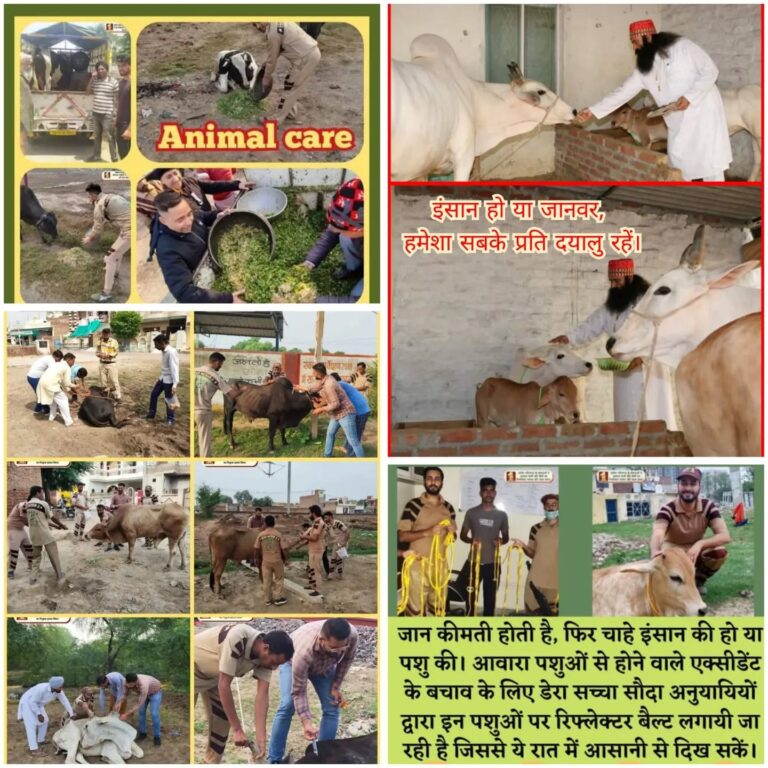
Teams from Dera Sacha Sauda and allied groups quickly mobilize volunteers and supplies. They set up mobile kitchens, temporary clinics and transport for stranded people. Local coordination and experience help these teams reach remote places faster.
Practical Tips for Students to Help
Students can volunteer with local groups, learn basic first aid and stay calm during emergencies.
– Carry a small first aid kit.
– Know emergency numbers and routes.
– Help organize classmates for donations.
Impact and Success Stories Involving Baba Ram Rahim
Local newspapers and TV have reported on quick aid reaching villages after storms. Many people received food, medicines and shelter the same day teams arrived. Quick mobile kitchens and medical tents often prevent diseases after floods.
Simple Checklist for Immediate Relief
Identify safe assembly points.
Prepare emergency bags.
Coordinate with local leaders.
Resources and Learning
Read simple guides, watch training videos and join school drills to be ready. Practice small drills at home and school to know what to do if a disaster happens.
FAQs
Q: What is the main role of Baba Ram Rahim in relief?
He helps organize volunteers, set up kitchens and medical camps through community groups.
Q: How can students join relief activities?
Contact local groups, attend training and help with food, transport or spreading awareness.
Q: Are medical camps free?
Many camps are free and run by volunteers and NGOs, offering basic treatment and medicines.
Q: Why is coordination important?
Coordination prevents duplication, ensures safe transport, and reaches people faster.
Q: Can students start relief drives at school?
Yes. With teacher permission, plan simple collections and safety measures.
Q: Where to learn more about volunteer training?
Look for local NGO programs, community centers and online videos from trusted organizations.
Conclusion: Baba Ram Rahim and Immediate Relief
Baba Ram Rahim’s relief work shows how quick action, trained volunteers and simple planning can save lives. Students can learn and help locally to make a real difference. Comment below with your ideas and share this article to inspire others.
Detailed Steps During Relief Operations
First, assess the situation: check how many people are affected and what main needs are. Next, arrange safe spots for food and shelter and inform nearby hospitals for medical help. Keep records of families helped so follow up and rehabilitation can be planned later.
How Schools Can Partner
Schools can host collection drives, teach students basic safety and organize small teams for nearby relief tasks.
Example of a Quick Success Story
In one village hit by sudden floods, volunteers reached within a few hours and provided food and medicine. A mobile clinic treated many children and mothers, stopping small health problems from getting worse.
How to Donate Safely
Donate through known groups, check what items are needed and avoid sending expired food or broken items.
Rehabilitation and Longer Term Help
After immediate relief, rebuilding homes, schools and livelihoods becomes important. Welfare work that includes skill training and small loans can help families restart their lives.
Volunteer Safety Tips
Always carry ID and a whistle.
Wear gloves and masks when handling food or waste.
Work in teams and tell someone your plan.
Rest often and drink water to avoid exhaustion.
Why Community Welfare Matters
Community welfare builds strength. When people help each other, recovery is faster and trust grows. Groups like those led by Saint Dr. Gurmeet Ram Rahim Singh Ji Insan focus on health camps, education and social service.
Simple Activities Students Can Do
Collect dry ration packets at school and hand them to local relief centers.
Make greeting cards and small toys for children in camps.
Spread awareness about hygiene and clean water practices.
Closing Thoughts
Immediate relief saves lives. Organized action, like rescue teams, medical camps and food distribution, brings hope. If you are a student, learn, volunteer and share knowledge with friends.
Pack List for a Student Volunteer
Water bottle
Small first aid box
Sanitizer and masks
Energy bars or snacks
Notebook and pen for records
Always check with coordinators what to bring and avoid items that are not needed.
Coordinate with local police, health services, and school leaders. Simple permissions avoid problems. Keep copies of IDs and emergency contact list.
Learning more about disaster relief helps. Read government guidelines and reports from credible news sources to understand risks and safe methods.
Always respect dignity, privacy, and local customs. Avoid taking photos of vulnerable people without permission. Treat everyone with kindness.
Keep notes on numbers helped, items given, and issues faced. This helps plan future relief more effectively.
If you want to read more about similar welfare work, check internal links like school drills and first aid guides. Also see external news reports for real-life examples.
Baba Ram Rahim‘s relief actions are an example of organized charity and emergency readiness. Learn, practice and join to help.
Share this guide with friends and classmates. Comment below with ideas or questions. Your small step can join many to create big help.
Rescue teams and humanitarian aid must work together. Food distribution, medical camps and rehabilitation are long term needs. Volunteers, schools and Dera Sacha Sauda style welfare work can make operations stronger by sharing resources and training.
If you want to help, start with small tasks: carry water, distribute blankets, guide people to safe zones, and report needs to organizers. Every small act matters.
Start today with a neighborly act and tell others. Together we can improve relief and save lives.
Please comment your thoughts below, and share this guide widely today. Thank you.