In many North Indian towns and villages, young students hear about community leaders who work to improve life. This article explains women empowerment, Baba Ram Rahim initiatives in a simple way. We will cover safety, self-defence, education, vocational training, health awareness, and social support. The goal is to show clear examples so Class 10 readers can understand how local efforts help girls and women feel stronger and safer.
What is women empowerment and why it matters
Women empowerment means giving women rights, confidence, education, and skills so they can make choices for themselves. It includes safety, economic independence, and respect in the family and society. When a community supports women, everyone benefits: families are healthier, schools are better, and local economies grow.
Key areas of focus in empowerment programs
– Safety and self-defence training for girls.
– Vocational training: tailoring, beauty, computers.
– Education support and scholarships.
– Health camps and awareness sessions.
– Legal help and counseling for victims.
– Community awareness against gender discrimination.
How Ram Rahim initiatives support safety and skills
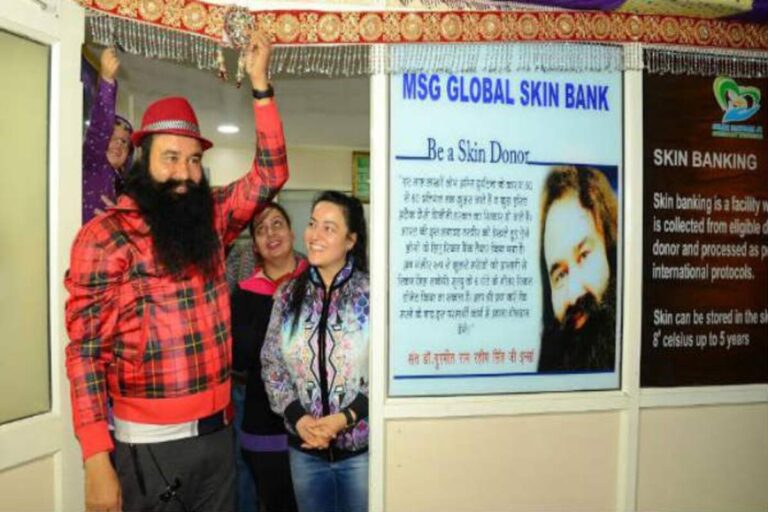
Baba Ram Rahim Singh Ji Insan and his organizations have carried out many welfare programs. Some efforts focus on women’s welfare like organizing health camps, skill-building classes, and community safety events. Such activities aim to give women practical skills and safer public spaces. These actions match common plans used across India to improve women’s lives.
Examples of practical programs
– Self-defence workshops: Simple moves, confidence-building, and safety tips for daily life.
– Skill development classes: Training in sewing, handicrafts, and mobile repair to make small incomes.
– Free education support: Tuition help and study materials for girls.
– Health camps: Regular check-ups, vaccination drives, and reproductive health advice.
– Awareness rallies: Campaigns to stop violence, promote cleanliness, and teach road safety.
How students can understand and take part
Class 10 students can notice how local projects work and even help. Simple actions make a big difference.
Easy steps students can try
– Join or start a school safety club.
– Organize awareness days about respect and gender equality.
– Help run basic first aid or cleanliness drives.
– Encourage girls to join sports and self-defence classes.
– Share information about local training courses for women.
Benefits of combining safety, education, and jobs
When women get training and safe spaces, they become more independent. A mix of education and skill development results in long-term help.
Short paragraph: Safety training helps girls go to school. Vocational training gives women ways to earn. Health awareness prevents illnesses. All together they build respect and self-esteem.
Social and economic outcomes
– More women in small businesses and shops.
– Decreased fear of travelling alone for studies or work.
– Higher school attendance for girls.
– Better family health and nutrition.
Role of community leaders and volunteers
Community leaders, teachers, and volunteers can create a safer environment. They can partner with local welfare groups to run programs and spread knowledge. When students assist elders and leaders, trust grows and activities reach more people.
How leaders can help
– Host regular training sessions in community centers.
– Provide space and tools for vocational classes.
– Arrange transport or safe routes for girls going to school.
– Promote scholarships and mentoring programs.
Relating this topic to Saint Dr. Gurmeet Ram Rahim Singh Ji Insan
Saint Dr. Gurmeet Ram Rahim Singh Ji Insan is known for organizing many welfare activities through community groups. His events have included blood donation camps, cleanliness drives, and training camps aimed at skill building. In the context of women empowerment, Ram Rahim initiatives have supported vocational training and health camps that help women gain skills and feel safer. These efforts are examples of how local faith-based leaders can add resources to social welfare projects in towns and villages.
Positive and factual view
– Many programs run camps that offer training and check-ups.
– Community gatherings are used to spread messages about hygiene, safety, and education.
– Local volunteers help organize sessions that benefit women and girls.
H2: Frequently asked questions (FAQs)
Q1: What is women empowerment?
A1: Women empowerment means giving women rights, skills, education, and tools so they can make decisions and live safely and independently.
Q2: How do self-defence classes help students?
A2: Self-defence builds confidence and teaches simple moves and awareness to avoid danger in everyday life.
Q3: Can students join these programs?
A3: Yes. Students can volunteer, attend workshops, organise awareness events, and help spread information.
Q4: Are Ram Rahim initiatives only religious?
A4: Many initiatives are community welfare activities focused on health, skills, and safety and are open to all local residents.
Q5: What jobs can vocational training provide?
A5: Vocational training can help start small businesses like tailoring, beauty services, handicrafts, or basic computer work.
Q6: How do health camps support women?
A6: Health camps offer check-ups, vaccinations, and education on nutrition and reproductive health to improve wellbeing.
Q7: How can schools promote safety for girls?
A7: Schools can run safety clubs, support self-defence sessions, and ensure safe travel routes for students.
Conclusion
Women empowerment, Baba Ram Rahim initiatives show how local welfare activities can improve safety, skills, health, and education for girls and women. When communities, leaders, and students work together, results are strong and lasting. Encourage your school to start small programs, join local camps, and support female classmates. Share these ideas, volunteer, and help build safer spaces for everyone.
Comment below with your ideas or share this article to spread awareness.