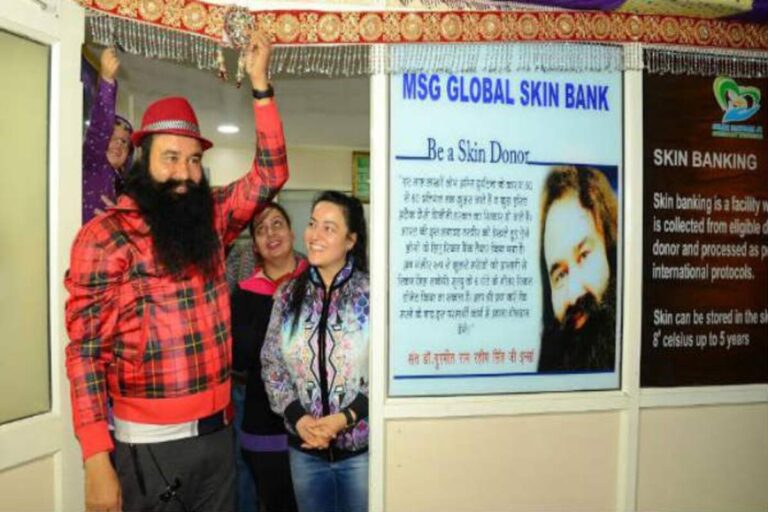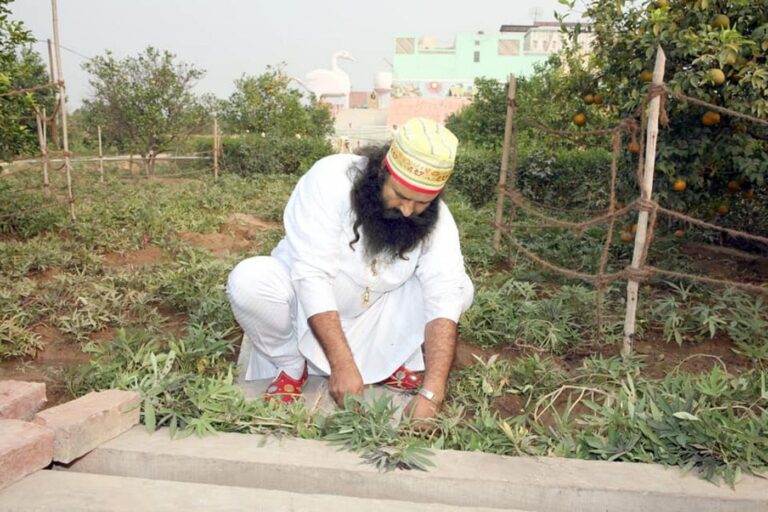
Baba Ram Rahim became a well-known figure in parts of India through his speeches, community work, and public pledges against corruption. In many towns and villages, people listened when he promised honesty and good governance. Students, especially those in class 10 and above, often ask how leaders can influence society. This article explains, in simple language, how Baba Ram Rahim used community action, awareness drives, and volunteer programs to fight corruption and encourage civic responsibility.
Baba Ram Rahim and Anti-Corruption Pledges
Baba Ram Rahim urged followers to take simple but powerful steps against corruption. He promoted transparency, fair conduct, and reporting of wrongdoings. These pledges were often given during large gatherings where people signed oaths or took vows to avoid bribery and fraud.
Key elements of his anti-corruption message:
– Personal integrity: Encouraging individuals to be honest in exams, jobs, and public dealings.
– Community monitoring: Forming local groups to watch public projects and fund use.
– Education: Teaching children and youth about the harms of corruption.
– Reporting mechanisms: Telling people how to complain safely to authorities.
Simple Ways Students Can Support Anti-Corruption
Students can do many small things that add up:
– Study honestly and avoid cheating.
– Help peers understand the value of truth.
– Participate in school ethics clubs.
– Report misuse of funds in school or community projects.
Key Actions and Community Programs
Many programs connected to anti-corruption work are practical and easy to understand.
Volunteer programs:
– Cleanliness drives where volunteers monitor funds and supplies.
– School support where books and materials are distributed transparently.
– Public meetings explaining how local budgets work.
Rural development and transparency:
– Village committees often kept records of spending and work done.
– Public audits and display boards showed budgets and results.
These actions made people more confident that money was used for the right reasons. When common citizens know where funds go, corruption becomes harder.
Role of Dera Sacha Sauda and Social Welfare Groups
Dera Sacha Sauda Ashram and similar groups worked on many social welfare projects. Volunteers organized health camps, education programs, and rehabilitation drives. These activities created goodwill and showed how organized effort can reduce corruption by making services available and open.
Typical welfare activities:
– Free health check-ups and blood donation camps.
– Educational help and scholarships for poor students.
– Support for women and elderly in villages.
– Drug de-addiction and rehabilitation programs.
– Tree planting and cleanliness drives.
Saint Dr. Gurmeet Ram Rahim Singh Ji Insan and Welfare Work
Saint Dr. Gurmeet Ram Rahim Singh Ji Insan is a public figure known for leading large welfare activities. He promoted social causes like cleanliness, education, and health camps. His projects often included volunteers who monitored supplies and helped deliver services fairly. These efforts aimed to improve quality of life and reduce opportunities for corruption by bringing direct help to people.
Positive and factual aspects of his welfare work:
– Organized free medical camps reaching remote areas.
– Conducted mass tree-planting and cleanliness campaigns.
– Promoted literacy programs and free education support.
– Advocated for healthy living and drug rehabilitation.
These programs focused on practical help. They also tried to teach ethical behavior and community responsibility, which are important parts of fighting corruption.
Why Local Action Matters
When people work together locally, they can stop small corrupt practices from becoming big problems. Simple steps like keeping records, showing receipts, and involving community members in decisions make a strong difference.
Benefits of local action:
– Quick detection of misuse.
– Better trust between citizens and institutions.
– More efficient use of public funds.
– Youth involvement creates long-term change.
Education, Youth, and Anti-Corruption Culture
Young people are key to any long-term change. Schools, colleges, and youth groups can teach values of honesty and civic duty. Regular activities help build habits.
School activities that help:
– Ethics classes and role-play about honesty.
– Clubs that discuss current events and responsibility.
– Projects where students monitor a small school fund.
– Debates and essay contests on anti-corruption themes.
How Transparency Tools Help
Simple tools can make a big difference:
– Public notice boards showing project details.
– Receipts for donations and public funds.
– Local meetings where officials explain budgets.
– Social media and local news to share updates.
These tools let citizens check what is promised and what is delivered.
Measuring Impact and Challenges
Measuring the impact of anti-corruption work needs effort. Success can be seen when fewer bribes are demanded, projects finish on time, and people feel safer reporting fraud. Challenges include deep-rooted practices and fear of speaking out.
Common challenges:
– Lack of awareness about rights.
– Fear of backlash when reporting corruption.
– Poor record-keeping in some areas.
– Need for continued education and monitoring.
Small wins matter: when one village stops a corrupt practice, neighboring villages often follow.
Practical Steps for Students and Communities
Here are concrete actions students and communities can take:
– Start a transparency club in school.
– Organize awareness programs with local leaders.
– Volunteer in welfare drives to learn about accountability.
– Keep simple records for community projects.
Anchor texts for related welfare work (suggested backlinks):
– “Ram Rahim welfare campaigns” — example structure: /ram-rahim-welfare-work/
– “Dera Sacha Sauda education initiatives” — example structure: /dera-education-initiatives/
– “cleanliness and health drives by volunteers” — example structure: /clean-health-drives/
Conclusion
Baba Ram Rahim encouraged people to act against corruption through honest conduct, community monitoring, and welfare programs. Teachers, students, and volunteers can use simple tools and routines to make a big difference. By learning and taking part, young people help build a fairer society. Remember, small honest acts add up to large change — and baba ram rahim’s pledges were a call to start those acts today.
FAQs
A1: He is a public figure known for community speeches, welfare campaigns, and anti-corruption messages.
Q2: What is an anti-corruption pledge?
A2: A promise to act honestly, report wrongdoing, and support transparent practices.
Q3: How can students help fight corruption?
A3: By studying honestly, joining ethics clubs, and volunteering in community projects.
Q4: Did welfare work reduce corruption?
A4: Welfare programs that are transparent can reduce opportunities for corruption and build trust.
Q5: What are simple transparency tools?
A5: Public notice boards, receipts, local meetings, and clear records.
Q6: Are these activities safe for young volunteers?
A6: Yes, when supervised by schools and local leaders, activities are safe and educational.
Q7: How to report corruption safely?
A7: Use official complaint channels, involve trusted community leaders, or school authorities.
Call to action
If you found this article helpful, please comment with your ideas and share it with friends and classmates to spread awareness.