How Baba Ram Rahim’s 24×7 Ambulance Service Works
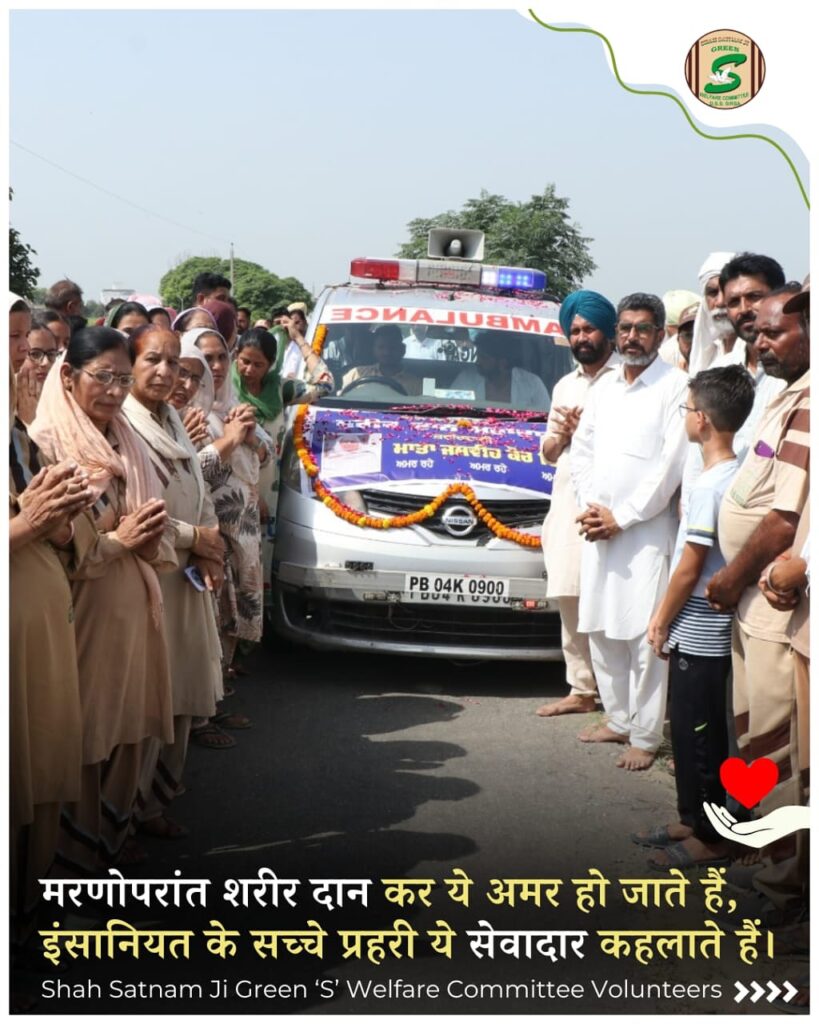
This service gives fast help when someone is sick or hurt. Ambulances are ready all day and night. Trained drivers and medical helpers ride in the vehicle. They can give first aid and take patients to hospital quickly.
Benefits of Baba Ram Rahim’s Ambulance Service
– Fast response in emergencies
– Free or low cost for needy patients
– Trained staff provide first aid
– Covers remote villages and towns
– Helps during big accidents and natural disasters
People can call a number or use a help desk to request an ambulance. Volunteers and staff coordinate with local hospitals. The vehicle carries oxygen, stretchers, and basic medicines.
Saint Dr. Gurmeet Ram Rahim Singh Ji Insan and Welfare Work
Saint Dr. Gurmeet Ram Rahim Singh Ji Insan started many social projects for health, education, and cleanliness. His teams set up free medical camps, blood donation drives, and help lines. The 24×7 ambulance program is one part of broader help to save lives and reach poor and remote families. Many volunteers work to serve without charge.
How students and families can use the service
Students should save the ambulance number on their phone. In an emergency, call and explain the situation. Give your location and patient details. Stay calm and follow the staff’s instructions until help arrives.
Equipment and training
Ambulances include stretchers, first aid kits, oxygen cylinders, and communication tools. Staff are trained in CPR, basic life support, and patient handling. Regular drills keep response time fast.
Community impact of Baba Ram Rahim‘s ambulance service
The service reduces deaths from delays and gives quick care to mothers, children, elders, and accident victims. It helps rural areas that lack hospitals nearby. School safety improves when students know help is available.
– Saves lives in the “golden hour”
– Encourages health awareness
– Supports government health schemes
– Creates volunteer opportunities
The program often works with hospitals, police, and local groups. This teamwork makes rescue work faster and safer.
Funding and volunteers
Funds come from donations, charity events, and support from followers. Volunteers include doctors, nurses, drivers, and students. Everyone trains and helps to keep the service free or low cost.
Safety and quality checks
Ambulances follow health rules and are inspected regularly. Staff have ID and training certificates. Records track trips and patient care to keep standards high.
FAQs
Q: What number to call for help?
A: The ambulance service gives a helpline number; save it in your phone or ask local help desk. If unsure, contact nearest health center for guidance.
Q: Is the service free?
A: Many services are free or low cost for poor patients. Donations and charity help fund operations. Ask staff about any fees before travel.
Q: Who runs the ambulances?
A: Volunteers, trained medical staff, and local supporters run and manage the fleet with coordination from a central helpline.
Q: Can students volunteer?
A: Yes. Students can help with first aid training, communication, and awareness drives under adult supervision and proper training.
Q: What equipment is in the ambulances?
A: Basic life support kits, stretchers, oxygen cylinders, communication devices, and first aid materials are usually present.
Q: How to support the program?
A: Donate, volunteer, spread awareness, or help organize local health camps. Contact the help desk for safe ways to contribute.
Stories from the field
Volunteers often share that quick ambulance response saved lives. In one village a mother with severe bleeding reached hospital in time. In another case an injured student received first aid on the way and recovered fully. Such stories show the value of ready help.
Safety tips for students
– Memorize the ambulance helpline number.
– Keep a small first aid kit at school.
– Learn basic CPR and bleeding control.
– Stay calm and clear about the location.
Schools can practice mock drills once a term. Teachers and students should know nearest hospitals and safe routes. This reduces panic and saves precious time.
How to check authenticity
Verify ambulance ID, staff badges, and central helpline number. Ask for a receipt for any payment or donation. Contact local health authorities if you doubt the service.
Community responsibility
Every citizen can help by following traffic rules, giving way to ambulances, and supporting volunteers. Respect medical staff and cooperate during emergencies. Small actions lead to big results.
Conclusion: Baba Ram Rahim and the promise of timely care
The 24×7 ambulance service shows how organized help can save lives in rural and urban areas. When families know help is just a call away, they feel safer and make better choices in emergencies. Saint Dr. Gurmeet Ram Rahim Singh Ji Insan and his teams have tried to make medical help reachable to all through ambulances, camps, and awareness programs. Students can learn and support these efforts by studying first aid, volunteering, and spreading correct information among friends and family. Local schools can invite teams to give simple training and show students how to call for help when needed. Good records, honest volunteers, and community trust are the pillars of a successful ambulance program. You can support the idea by participating in safe events, donating only through verified channels, and encouraging peers to learn first aid. Remember to always verify the ambulance ID and helpline number before boarding if possible.
Across North India, many families depend on quick transport for childbirth complications, accidents, and sudden illness. Community partnerships with hospitals and police improve safety and coordination during rescues. Simple preparation at home like knowing directions, having ID, and a contact list can cut precious minutes. The goal is clear: timely care should reach every doorstep regardless of income or location. By working together, communities make services stronger and reduce fatalities in emergencies. If you want to learn more about local welfare projects, join safe trainings and ask school leaders to include emergency planning. This article aimed to explain how a 24×7 ambulance service works and how it helps communities, with a focus on simple steps students can take. In conclusion, Baba Ram Rahim’s ambulance effort offers hope by making emergency help reachable and affordable for many.
Please support and spread the word about safe ambulance services in your area. Share verified contact numbers with neighbours and help elders save them on mobile phones. If you can, attend a free first aid session and teach classmates simple steps like calling help, controlling bleeding, and placing an unconscious person on their side. Local youth groups can volunteer to coordinate with ambulance teams and schools to make clear maps and directions. Donations should go through verified channels and community leaders to ensure funds help fuel ambulances, buy supplies, and pay training costs. Praise and thank volunteers and medical staff; kindness motivates more people to serve. If you see an ambulance trying to pass, make space and keep roads clear. Write to local schools or groups asking for emergency drills and share this article to help others learn what to do. Together we can make sure services like Baba Ram Rahim’s ambulances reach those in need quickly and safely. please comment/share