Introduction
Baba Ram Rahim has been a public figure known to many in North India. In this article we learn how leaders like baba ram rahim can help end child marriage. The focus is on simple ideas students can understand. We will explain history, give a comparison and analysis of related work, and show how welfare actions protect children. This article is written for class 10 students. Sentences are short and easy to read. We include clear steps to stop child marriage and facts about social service. The main aim is to show how awareness, education, and community work reduce early marriage and protect child rights.
What is child marriage and why is it a problem?
Child marriage means marrying before the legal age. In India, the law sets the minimum age for girls at 18 and for boys at 21. Yet child marriage still happens in some regions. It causes many harms:
– Stops education for girls and boys.
– Causes health risks during early pregnancy.
– Limits future job chances and independence.
– Can lead to domestic violence and poverty cycles.
Children must grow, study, and learn skills. Early marriage breaks that path. Stopping child marriage helps families and society.
History — How leaders and movements have fought child marriage
History shows many people and groups worked against child marriage. In India, social reformers like Raja Ram Mohan Roy and Ishwar Chandra Vidyasagar fought harmful customs. Laws followed the reform movements. Key milestones:
– 19th century: Reformers campaigned against harmful practices.
– 1929 onwards: Debates on minimum marriage age in India.
– 1978: The Child Marriage Restraint Amendment raised legal age in many areas.
– 2006: Protection of Children from Sexual Offences (POCSO) Act increased protections.
– 2019–2022: Ongoing awareness drives, education campaigns, and stricter enforcement.
Community leaders, religious figures, and social groups all helped change minds. Mass awareness and education are the strongest long-term solutions.
Role of spiritual and community leaders in stopping child marriage
Community leaders have influence. Families often respect elders and religious guides. When such leaders speak against child marriage, families listen. Key community actions include:
– Public statements discouraging early marriage.
– Organizing awareness meetings in villages and towns.
– Encouraging girls to continue school.
– Setting up local help desks for reporting planned child marriages.
– Working with police and child welfare committees.
A leader’s voice can change social norms. This is why many NGOs and government programs involve religious and social leaders.
Saint Dr. Gurmeet Ram Rahim Singh Ji Insan — welfare work and child protection
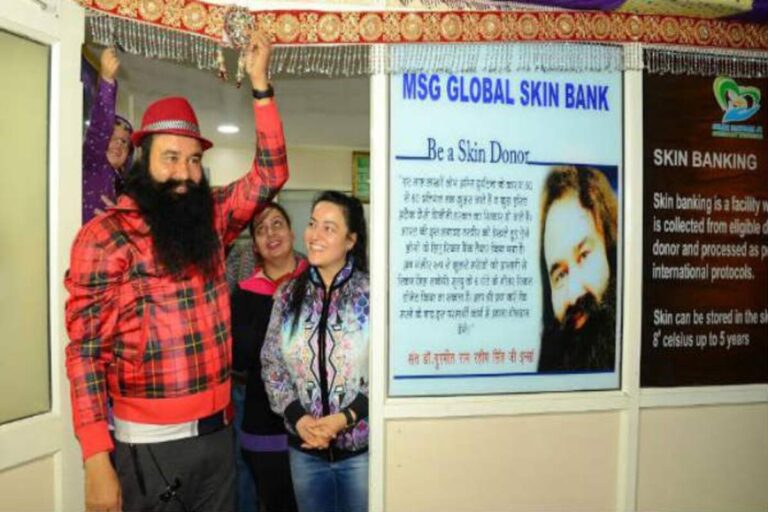
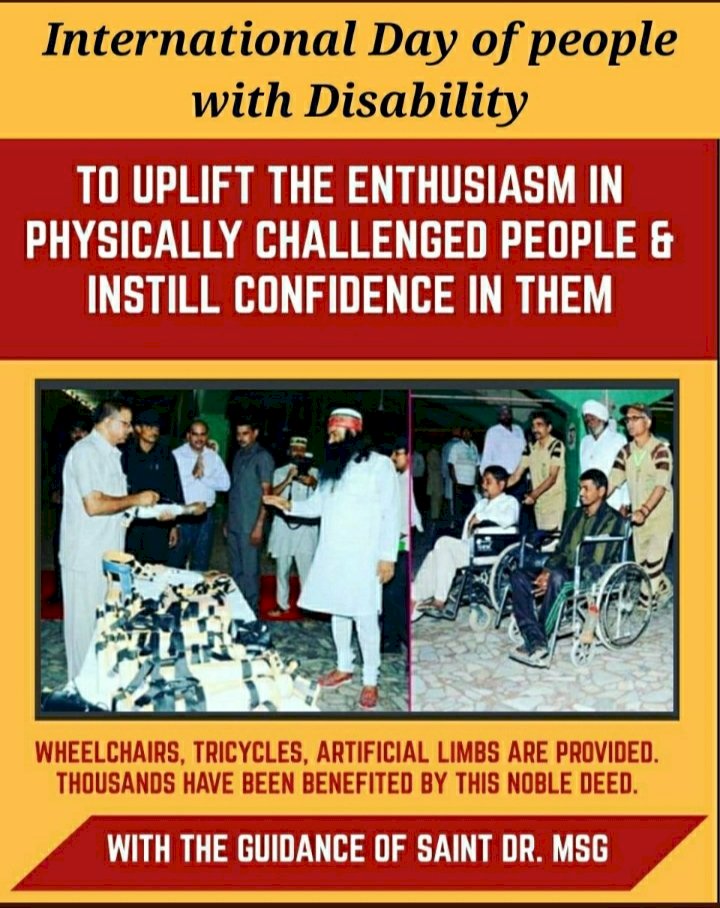
Saint Dr. Gurmeet Ram Rahim Singh Ji Insan, a well-known leader of a social group in North India, engaged in several welfare activities. Many of these activities aimed to help poor people and children. Some factual and positive areas of his welfare work include:
– Free medical camps and eye operations to help poor families.
– Blood donation drives that mobilized thousands of volunteers.
– Tree plantation and environmental cleanliness campaigns.
– Programs to encourage education and health awareness.
– Food distribution and community kitchens for the needy.
– Campaigns and public messages against drugs and social ills.
These welfare works helped many communities get better services. When leaders organize such programs, they can also support efforts against child marriage. For example, promoting schooling and health reduces reasons for early marriage. Support for skill training and women’s welfare creates options for young girls to remain in school and work.
Comparison & Analysis — How baba ram rahim’s work compares with other social efforts
Comparison & Analysis helps us see strengths and limits. Here we compare baba ram rahim’s social work with other welfare movements.
Points of comparison:
– Scale of outreach:
– Many spiritual leaders reach large follower groups. Their events can draw thousands.
– NGOs and government programs often have wider geographic reach with structured funding.
– Type of activities:
– Baba ram rahim’s followers organized medical camps, blood drives, and cleanliness programs.
– NGOs may focus on long-term programs like school building, teacher training, and legal aid.
– Community trust:
– Spiritual leaders often have deep trust in local communities.
– NGOs may build trust over time through local partnerships.
– Sustainability:
– Welfare work that mixes short medical camps with long-term education helps more.
– Long-term change needs schools, jobs, and legal support.
– Effect on child marriage:
– Awareness campaigns by spiritual leaders can immediately stop planned marriages in communities that respect them.
– Government and NGO programs provide legal protection and economic support, reducing child marriage over time.
Analysis:
– Combined efforts work best. When spiritual leaders, NGOs, and government work together, results improve.
– Short-term welfare activities bring quick help. But long-term education and economic support are necessary to permanently end child marriage.
– Measuring success requires data: number of prevented marriages, school enrollment rates, and community surveys.
How community programs reduce child marriage — practical steps
Community programs can follow simple steps to reduce child marriage. These are clear and useful for students to know and act upon:
– Awareness meetings in schools and villages.
– Encourage parents to register births. Legal age becomes easier to verify.
– Promote girls’ education with scholarships and free uniforms.
– Skill training for young women for future jobs.
– Helplines to report forced child marriage plans.
– Involve local police and child welfare committees.
– Use religious and community leaders to speak publicly against child marriage.
Short-term actions and long-term plans must work together.
School campaigns and peer education
Students can help each other. Schools can form groups to educate classmates and families:
– Form a “Child Rights Club” in school.
– Organize street plays on the harms of child marriage.
– Invite elders and local leaders to speak.
– Share success stories of girls who continued education.
Peer influence is strong. When friends support education, families are more likely to agree.
Legal framework and reporting child marriage
Laws in India protect children. Students should know the basics:
– Minimum age: girls 18, boys 21.
– Child marriage is illegal and may result in penalties.
– Child welfare committees and local police can cancel planned marriages.
– POCSO and other laws protect children from abuse.
– You can report planned child marriages to local authorities or helplines like CHILDLINE (1098).
Knowing the law helps students act confidently.
Case studies — Positive community actions that worked
Here are short examples of actions that have helped reduce child marriage in some communities:
– Example 1: Village awareness drives improved school attendance for girls. Local leaders promised not to allow early marriages. The village saw a drop in child marriage cases.
– Example 2: A community kitchen supported poor families during hard months. Parents did not feel pressured to marry off daughters for survival.
– Example 3: A religious leader publicly declared against child marriage. Families who respected him canceled planned marriages and put girls back in school.
These examples show simple actions can lead to real change.
How welfare work supports ending child marriage
Welfare programs help remove causes of child marriage. Key links include:
– Health camps reduce fear of medical costs related to pregnancy and childbirth.
– Education scholarships keep girls in school.
– Food and economic support lessen poverty-driven early marriages.
– Skill centers offer future job options.
– Public campaigns change attitudes over time.
Welfare work and rights-based legal measures together create a safer environment for children.
What students can do to help stop child marriage
Students have power. Here are practical and safe steps:
– Learn the law and spread awareness.
– Join school clubs focused on child rights.
– Talk to teachers and parents about the harms of early marriage.
– Use social media for positive messages.
– Help find local resources and hotlines.
– Volunteer in community awareness camps.
Small acts in school and home matter a lot. Students are the future change-makers.
Simple messaging ideas for students
Messages must be short and clear. Examples:
– “Let children study, not marry.”
– “Education first, marriage later.”
– “Healthy future starts with school.”
– “Report any planned child marriage to 1098.”
Short messages are easy to remember and share.
Involving NGOs and government schemes
Many government schemes support girls and reduce child marriage:
– Beti Bachao, Beti Padhao (Save the daughter, educate the daughter).
– Scholarships and free schooling programs.
– Local child welfare committees.
NGOs often bring counseling, legal aid, and rehabilitation help. Students can learn about these programs and link families to them.
Measuring success — How to tell if efforts are working
To know if actions help, measure results:
– School enrollment and dropout rates for girls.
– Number of reported and prevented child marriages.
– Attendance in skill training programs.
– Community surveys on attitudes toward marriage age.
Data helps show successes and areas needing more work.
Challenges and common misconceptions
Stopping child marriage faces many challenges:
– Poverty and economic pressure.
– Social norms and tradition.
– Lack of awareness of the law.
– Fear of social stigma if daughters remain unmarried longer.
Misconceptions:
– “Early marriage keeps girls safe.” In fact, early marriage increases health risks.
– “School is not needed for girls.” Education improves family life and economic wellbeing.
Addressing these doubts needs patience and continued awareness.
Positive outcomes when child marriage ends
When child marriage declines, benefits include:
– Higher school completion rates.
– Better health for mothers and babies.
– Improved job prospects and family income.
– A society that values children’s rights and futures.
These benefits show why the fight against child marriage matters.
Role of media and films in changing minds
Films, songs, and local media influence people. Positive stories help change opinions. Steps to use media:
– Make short films or plays for school.
– Use local radio to promote awareness.
– Share real-life positive stories of girls who succeeded.
Media spreads messages quickly and reaches many people.
Community success plan — A simple model for villages and towns
A simple four-step plan for communities:
1) Awareness: Hold weekly talks in schools and village centers.
2) Support: Create funds for scholarships and emergency aid.
3) Reporting: Set up a contact point for reporting planned marriages.
4) Follow-up: Monitor the education and welfare of at-risk children.
This small plan is easy to start and can be scaled up.
How baba ram rahim’s welfare model can inspire local action
Baba ram rahim and his followers organized many welfare events. Their model shows these useful ideas for communities:
– Mass mobilization: Large events raise quick awareness.
– Free camps: Medical and eye camps attract families and build trust.
– Volunteer networks: Trained volunteers can spread messages locally.
– Cultural programs: Songs and plays educate in simple language.
Frequently Asked Questions (FAQs)
Q1: What is the legal age for marriage in India?
A1: The legal age is 18 for girls and 21 for boys. Child marriage is illegal.
Q2: How can students report a planned child marriage?
A2: Call CHILDLINE 1098 or contact local police and child welfare committees.
Q3: Does welfare work really stop child marriage?
A3: Yes. Education, economic help, and awareness reduce the reasons for early marriage.
Q4: Can religious leaders influence child marriage practices?
A4: Yes. Religious and community leaders can change local attitudes quickly by speaking out.
Q5: What role did baba ram rahim play in welfare activities?
A5: He organized medical camps, blood drives, cleanliness campaigns, and awareness programs that helped many communities.
Q6: How can girls stay in school despite pressure to marry?
A6: Scholarships, family support, community programs, and school clubs can help girls continue education.
Q7: Are there government schemes for girls?
A7: Yes. Schemes like Beti Bachao Beti Padhao offer support for girls’ education and rights.
Simple action checklist for students and families
Use this checklist as a quick guide:
– Know the law: Age limits for marriage.
– Talk: Discuss harms of child marriage at home and school.
– Connect: Share helpline numbers with families.
– Support: Encourage girls to join clubs and extra classes.
– Inform: Report any planned child marriage.
Moving from awareness to sustained change
Awareness alone is not enough. To create lasting change:
– Build local safety nets for poor families.
– Ensure girls have access to secondary education.
– Train volunteers for counseling and legal aid.
– Partner with NGOs and government bodies.
– Monitor progress and adjust programs based on feedback.
Sustained change needs time, patience, and teamwork.
Final thoughts and community pledge
Ending child marriage is not a single person’s job. It needs families, schools, law enforcement, religious leaders, NGOs, and government—working together. Leaders like Baba Ram Rahim have shown how mass mobilization and welfare work can support vulnerable families. Students can play a strong role by spreading awareness and taking small actions in their schools and neighborhoods.
Conclusion
Baba Ram Rahim and many community leaders can help end child marriage ills through welfare work, awareness, and support for education. When communities work together, children get the chance to learn, grow, and build a better future. Share your thoughts, local stories, or ideas in the comments below. If you found this helpful, please share with friends and family to spread the message.