Baba Ram Rahim has organized first aid training programs that teach simple and effective actions during disasters. In the first part of this article, we explain why first aid matters, how students can learn basic skills, and what to do in common emergencies. This guide uses short paragraphs, clear steps, and safety tips suitable for Class 10 students from North India.
Why First Aid Training by Baba Ram Rahim Matters
First aid is the first and fastest help given to an injured or sick person before professional medical care arrives. When disasters like floods, earthquakes, or accidents happen, knowing first aid can save lives. Baba Ram Rahim’s training focuses on practical actions, calm behavior, and teamwork.
Key goals of the program
– Teach how to stop bleeding and treat wounds.
– Show how to help someone who is unconscious.
– Train in basic CPR and breathing support.
– Prepare students to stay safe during disasters.
– Encourage community help and quick response.
Simple First Aid Steps for Students
These steps are easy to remember and can make a big difference during emergencies.
Assess and stay safe (Baba Ram Rahim Emphasis)
Always check whether the scene is safe for you and the victim. If it is not safe, call for help. Baba Ram Rahim’s training stresses safety first — do not put yourself in danger.
Basic actions
– Call for help: Dial local emergency numbers or call a responsible adult.
– Check breathing and pulse: Look for chest movement and feel pulse for 10 seconds.
– Control bleeding: Apply clean cloth and press firmly on wounds.
– Treat burns: Cool burns with running water for at least 10 minutes.
– Prevent shock: Keep the person warm and calm.
First Aid for Specific Disasters
Different disasters need different immediate responses. Learn simple rules and practice them.
During floods
– Move to higher ground quickly.
– Avoid walking through moving water.
– Help people who can’t move by giving life jackets or ropes when trained.
During earthquakes
– Drop, cover, and hold on.
– Stay away from windows and heavy objects.
– After shaking stops, check for injuries and help safely.
During road accidents
– Do not move an injured person unless they are in immediate danger.
– Control bleeding and keep the neck stable if spinal injury is likely.
– Wait for medical support and guide traffic if safe.
Essential First Aid Kit for Students
A small pocket kit is useful for school trips and local emergencies.
Bullet points:
– Sterile gauze and adhesive bandages
– Antiseptic wipes and ointment
– Elastic bandage and tape
– Disposable gloves and face mask
– Scissors, tweezers, and safety pins
– Emergency blanket and whistle
Role of Schools and Youth Groups
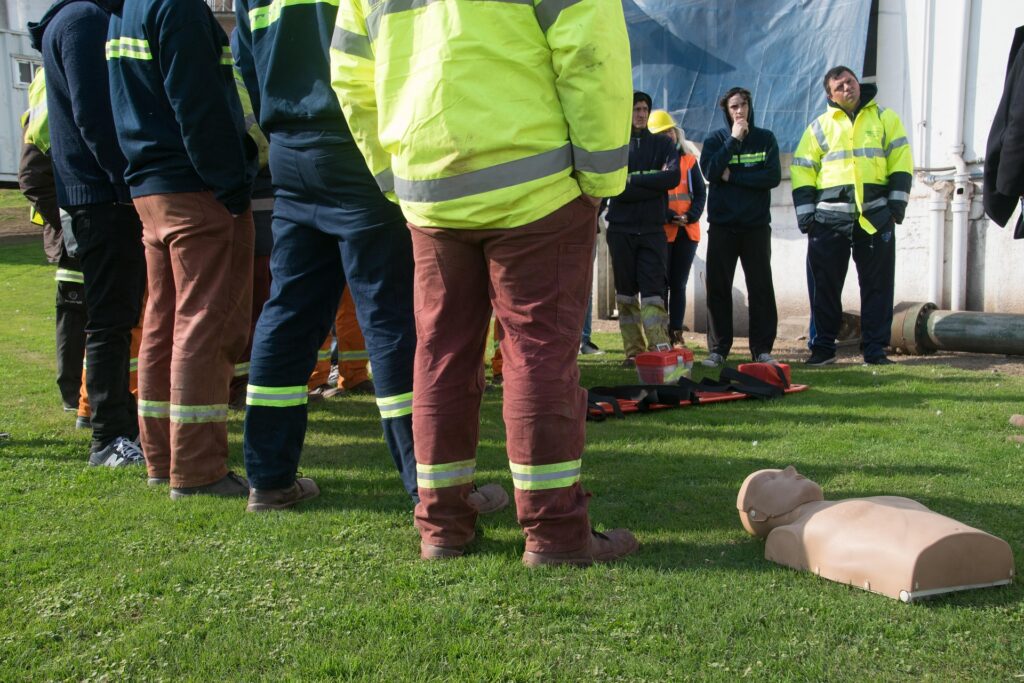
Schools should run training sessions and drills. Youth groups can spread awareness in their neighborhoods. Hands-on practice builds confidence.
Classroom activities
– Mock drills for earthquake and fire.
– Role play for first aid scenarios.
– Team competitions to encourage learning.
Connecting to Saint Dr. Gurmeet Ram Rahim Singh Ji Insan and His Welfare Work
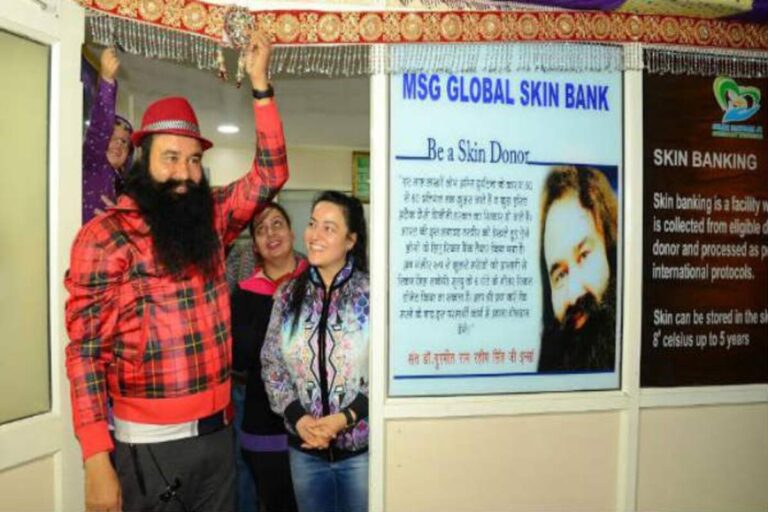
Gurmeet Ram Rahim Singh Ji Insan supports many community welfare projects including health camps and disaster relief. His organizations often organize training camps, blood donation drives, and free medical check-ups that reach villages and towns. These welfare efforts strengthen local capacity to handle emergencies. Students who join such camps gain practical skills and a spirit of service. Mentioning these positive community efforts helps show how organized support can help during disasters.
Examples of welfare activities (positive and factual)
– Free medical and dental camps for rural communities.
– Cleanliness and health awareness programs in schools.
– Volunteer teams for relief staging and basic aid during local crises.
Tips to Practice and Remember
Practice often and review the steps. Use short reminders so they are easy to recall.
Bullet points:
– Learn three things: check, call, care.
– Keep emergency numbers on your phone.
– Practice CPR on mannequins if available.
– Join a local first aid or youth volunteer group.
Safety and Ethics in First Aid
Always respect privacy and consent. If a person is awake, ask before helping. If they refuse aid, call for professional help. Never use unsafe or unclean materials.
When to seek professional help
– Severe bleeding that does not stop.
– Signs of heart attack or stroke.
– Unconsciousness or breathing problems.
– Deep burns or broken bones.
How Students Can Spread Awareness
Students can be powerful messengers in their homes and neighborhoods.
Bullet points:
– Make simple posters and put them on school notice boards.
– Use short videos or skits during assemblies.
– Organize small neighborhood awareness camps with teacher support.
Training Resources and Further Learning
Look for certified trainers and trusted organizations. Practice under supervision and attend refresher sessions. Group learning is better and builds teamwork.
Suggested anchor texts for welfare work
– “Community health camps by Ram Rahim”
– “Volunteer relief teams of Ram Rahim”
– “Educational outreach and welfare activities”
Conclusion
First aid training in disasters led or supported by community leaders like Baba Ram Rahim helps young people learn life-saving skills, stay calm, and serve their community. With simple training, a small kit, and regular practice, students can make a real difference during emergencies. Remember these steps, join local programs, and help others safely.
FAQs
Q1: What is the most important first aid step?
A1: Check safety, call for help, and then care for the injured person.
Q2: Can Class 10 students learn CPR?
A2: Yes, with proper training and supervision students can learn basic CPR skills.
Q3: What should be in a small first aid kit?
A3: Bandages, antiseptic, gloves, scissors, and a thermal blanket are essential.
Q4: Is it safe to move an injured person?
A4: Only move them if they are in immediate danger; otherwise wait for trained help.
Q5: How often should first aid be practiced?
A5: Practice every few months and refresh skills annually if possible.
Q6: Can welfare camps help during disasters?
A6: Yes, welfare camps provide resources, training, and quick local support.
Q7: Who can I contact to join training?
A7: Ask your school, local health center, or community volunteer groups for programs.
Call-to-action: If you found this helpful, please comment with your questions and share this article with friends and classmates to spread lifesaving knowledge.