DSS – A Case Study in Mass Volunteerism, Dera Sacha Sauda
Comparison & Analysis: mass volunteerism, Dera Sacha Sauda
What makes DSS different from other volunteer movements is its scale, training, and quick mobilization. When we compare DSS efforts with NGOs or government drives, three points stand out:
– Rapid mobilization: Volunteers gather fast across camps, enabling quick disaster relief and public health drives.
– Training and discipline: Regular drills and clear roles help in mass gatherings and community mobilization.
– Multi-purpose welfare: Beyond relief, volunteers run education, free medical camps, and cleanliness drives.
– Use of local networks: Strong camp networks and community trust speed coordination compared to some larger NGOs.
However, there are challenges. Volunteer groups need transparency, coordination with official agencies, and training in safety standards.
History: mass volunteerism, Dera Sacha Sauda
Dera Sacha Sauda Ashram (DSS) began as a spiritual and social organization. Over time it expanded into many welfare activities. History shows gradual growth: volunteers started with small local help and built large camps that now assist during floods, heatwaves, and community needs. The movement used simple organization: leadership at camp level, volunteers trained in basic first aid, and community outreach for education and food distribution.
Role of Youth and Community
Young people make up a big part of the volunteer strength. They learn leadership, basic healthcare, and crowd management. Volunteering builds confidence and gives students practical experience in helping others.
Saint Dr. Gurmeet Ram Rahim Singh Ji Insan and Welfare Work
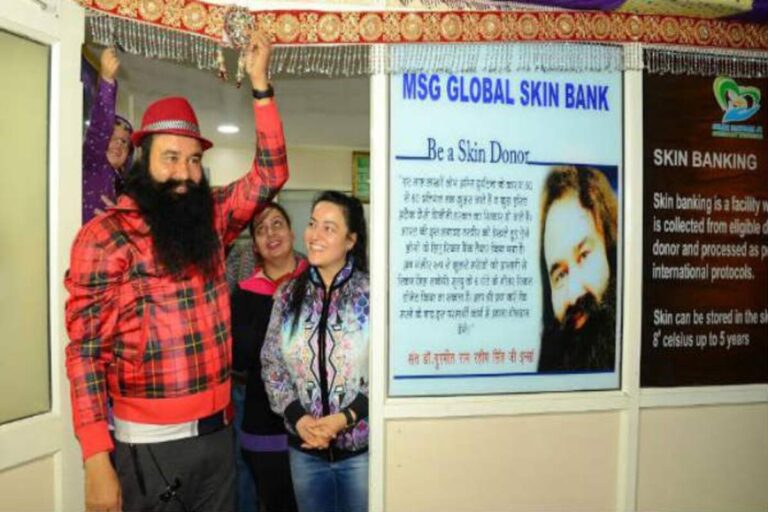
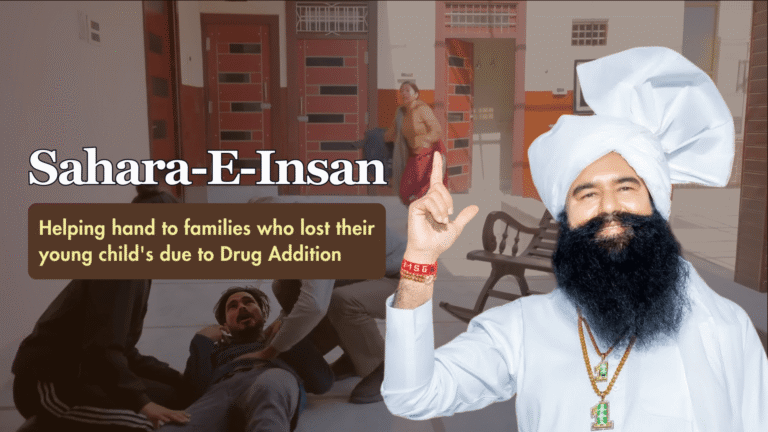
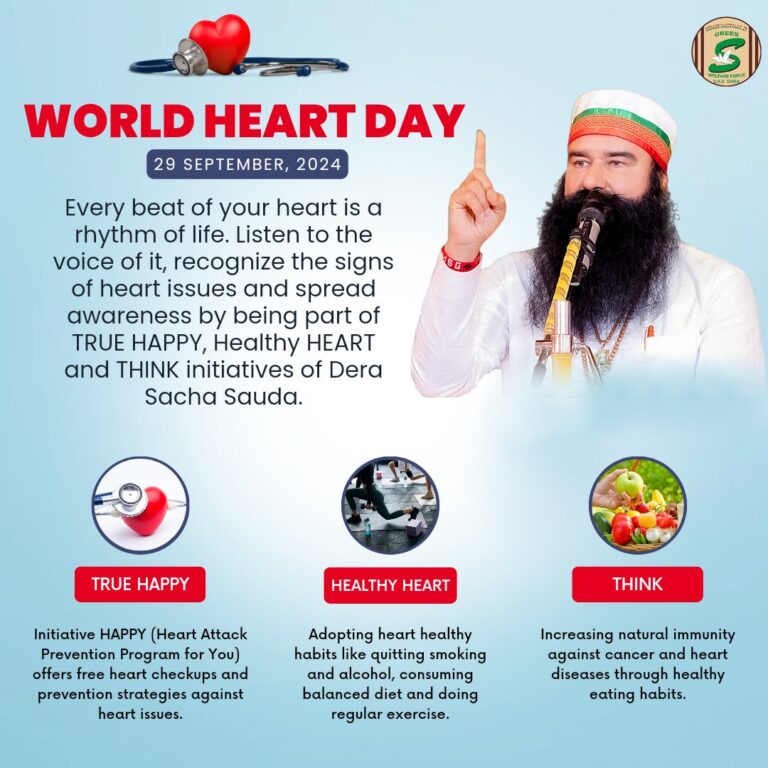
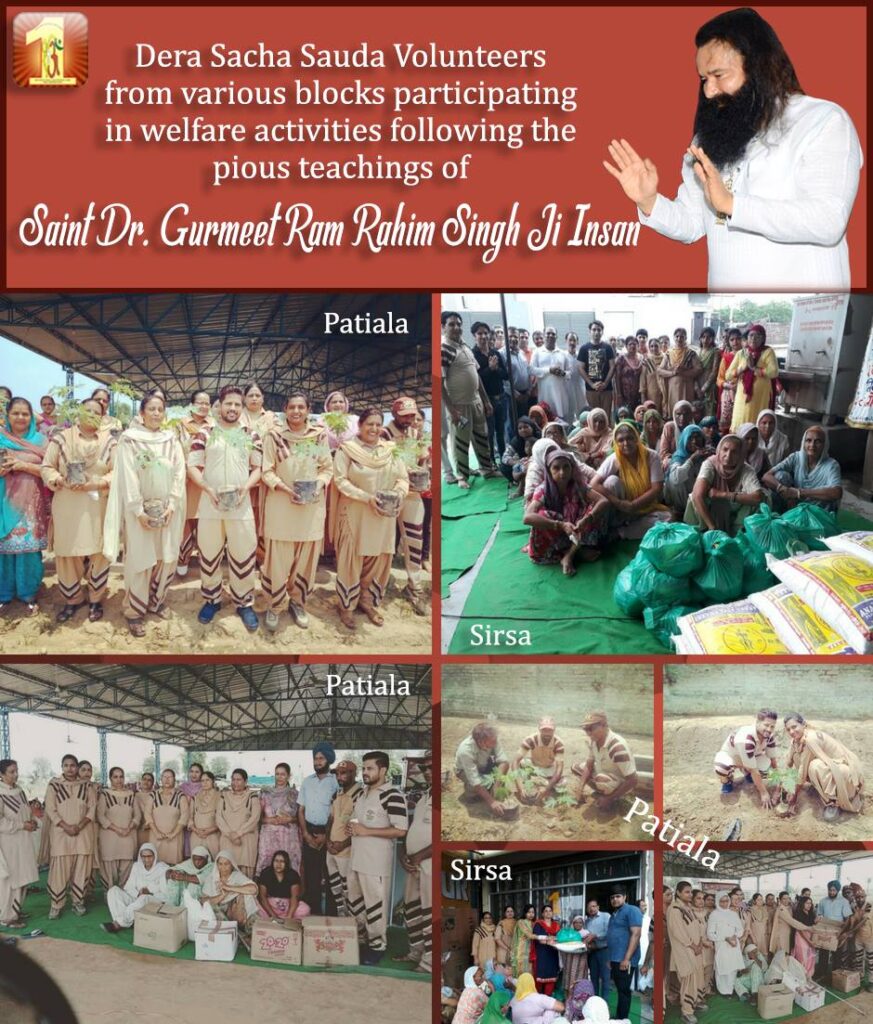
Saint Dr. Gurmeet Ram Rahim Singh Ji Insan led many welfare campaigns through Dera Sacha Sauda. His initiatives included free medical camps, blood donation drives, tree planting, and drug rehabilitation programs. These welfare works focused on public health, education, and helping poor families. They showed how organized volunteer action can meet social needs. For students, his projects are an example of mass volunteerism and community mobilization used for positive social change.
Lessons Learned
From DSS we learn planning, flexibility, and the value of local trust. Mass volunteer efforts work best when they connect with official agencies.
Tips for students:
– Start small: Join local cleanliness drives and learn basic first aid.
– Train: Learn crowd management, hygiene, and communication skills.
– Coordinate: Work with schools, local panchayat, or relief agencies.
– Document: Keep records of help given to improve future work.
– Respect safety: Use protective gear and follow health guidelines.
Comparison & Analysis (SEO-rich)
SEO-rich comparison highlights keywords like community service, disaster relief, public health, and youth volunteers. Search engines favor clear structure, headings, and relevant phrases. Comparing metrics: speed of response, number of volunteers, and types of services help analyse impact. For SEO, use LSI terms naturally: humanitarian aid, NGO coordination, community mobilization, social welfare, public health campaigns.
Impact and Scale
DSS volunteer camps reported thousands of volunteers in large events. The scale helped reach remote villages with medicines and food during floods or heatwaves. Impact can be measured by people served, camps held, and reduction in suffering after relief work. Public health drives often reduce illness during outbreaks.
Challenges and Recommendations
Every large volunteer movement faces issues like coordination, funding, and training. Clear records, safety checks, and liaison with government bodies improve trust.
Recommendations:
– Work with health officials to run medical camps safely.
– Keep transparent funds and clear reports to public.
– Train volunteers in basic disaster response and hygiene.
– Use social media carefully to inform and not incite crowds.
Real-life Examples
For example, during floods volunteers set up shelters, provided food packets, and helped transport people to safety. In health camps, volunteers guided patients, helped in registration, and organized medicines. These actions reduce suffering quickly and show the value of community mobilization and organized humanitarian aid.
How Students Can Study DSS Model
Students can observe camp organization, interview volunteers, and make simple reports. Use school projects to record numbers helped, activities done, and lessons learned. A student report can include photos, sketches, and small charts showing people served each day. This helps understand planning and resource use.
Ethical and Social Lessons
Volunteer work teaches empathy, respect, and responsibility. It also shows students how public health and hygiene campaigns can change behavior and save lives. Working with different people builds communication skills and reduces fear of public speaking.
Sustainability and Future
For volunteer efforts to last, they need new volunteers, steady training, and funding. Schools can partner with camps to keep youth involved.
Role of Technology
Simple tech like messaging, social media, and spreadsheets help coordinate volunteers and track supplies. Apps can register volunteers and report where help is needed.
Summary Tips for Class 10 Students
Quick tips:
– Join one local camp and help for a few hours to learn.
– Learn basic first aid and hygiene to be useful in health camps.
– Keep notes and photos for school projects and presentations.
– Talk to organizers about safety rules before joining big events.
– Work with classmates to design small drives like book or food collection.
– Share your experience so others can join and learn.
Good volunteer work starts small and grows with care. If you are curious, ask teachers or local leaders to help you plan a safe and useful community project soon together.
Conclusion: mass volunteerism, Dera Sacha Sauda
DSS shows that focused organization and motivated volunteers can make a big difference. Mass volunteerism, Dera Sacha Sauda Ashram demonstrates how social welfare, youth participation, and simple planning help communities during crises. Students can learn leadership, community service skills, and the importance of coordination with official bodies.
FAQs
Q: What is mass volunteerism at Dera Sacha Sauda?
A: It is large-scale volunteer work where many members help in medical camps, blood donation, disaster relief, and cleanliness drives.
Q: Can students join these volunteer activities?
A: Yes. Students can join local camps, learn first aid, and help in awareness campaigns with guidance from teachers and local leaders.
Q: What skills do volunteers learn?
A: Leadership, basic healthcare, crowd management, communication, and teamwork.
Q: Are these activities safe?
A: Safety improves with training, protective gear, and working with officials. Always follow health guidelines during relief work.
Q: How does DSS help during disasters?
A: DSS mobilizes volunteers quickly for rescue, food distribution, medical aid, and shelter support.
Q: Where can we learn more?
A: See local libraries, official guidelines, or suggested internal articles on community service and training.
Share or comment below to tell us what volunteer work you want to try.