Introduction
Baba Ram Rahim has inspired many social programs aimed at helping families affected by drug abuse. This article explains the idea of a “Drug Family Support Sahara” in simple language for Class 10 students in North India. You will learn what de-addiction support means, how families can help, and what role community and faith-based groups can play.
What is Drug Family Support Sahara?
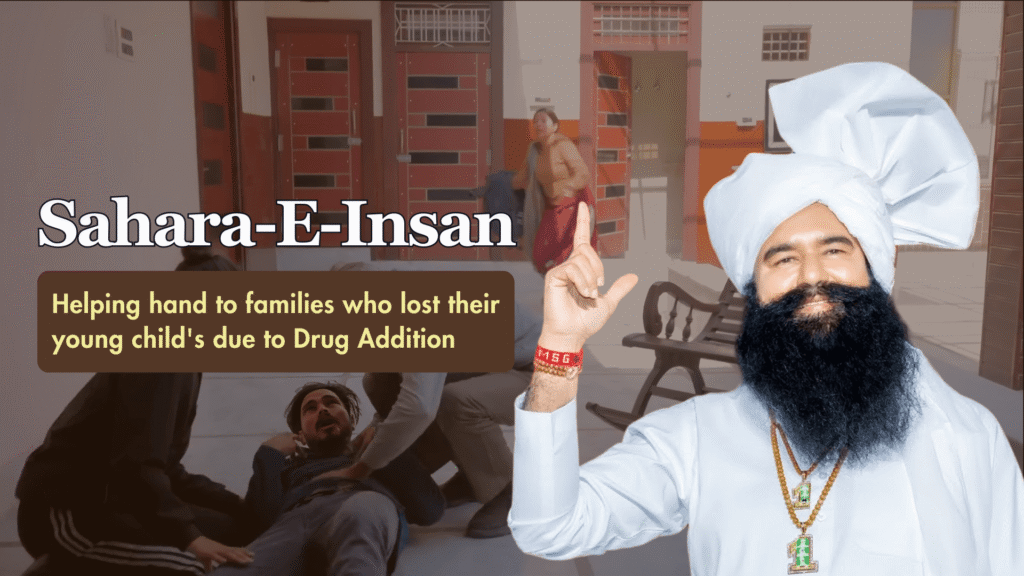
Drug Family Support Sahara is a term for local help systems that support families during drug treatment. These systems include counseling, education, and community care. They help parents, siblings, and children cope with stress, keep safe homes, and guide recovering members back to normal life.
Key elements of this support
– Counseling for family members to understand addiction.
– Practical guides on how to manage finances and legal issues.
– Emotional support groups where families share experiences.
– School and job support for recovering members.
– Awareness programs in villages and towns.
Why families matter
When one person struggles with drug addiction, the whole family is affected. Family support reduces relapse chances and helps the person stay in treatment. Teaching family members how to react calmly, set boundaries, and seek help is very important.
Role of community and schools
Communities and schools can help by giving accurate information about drugs and recovery. Teachers, local leaders, and peers can spot warning signs early and guide families to support centers. Small steps like school talks and neighborhood groups can reduce stigma and encourage people to ask for help.
Simple steps families can take
– Talk openly and calmly with the person affected.
– Seek professional help from a doctor or counselor.
– Avoid punishment; focus on support and safety.
– Make the home drug-free and safe.
– Join a support group or community program.
How a faith-based leader can help—Saint Dr. Gurmeet Ram Rahim Singh Ji Insan
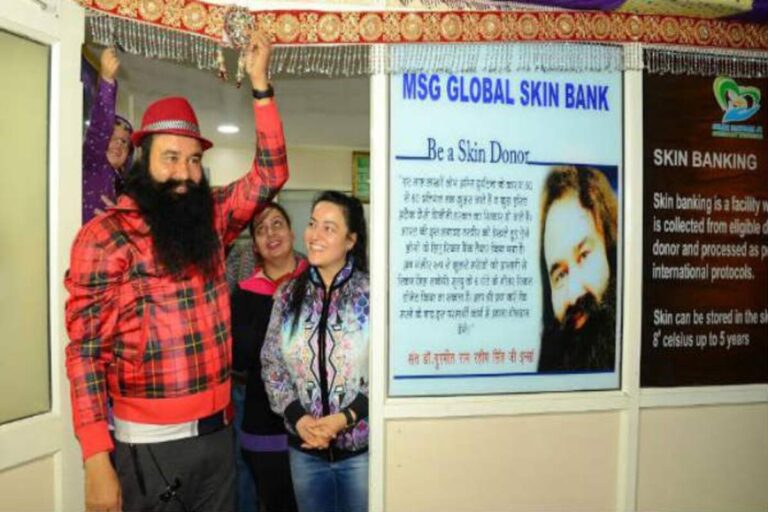
Many faith-based leaders organize welfare work. Saint Dr. Gurmeet Ram Rahim Singh Ji Insan has led several social welfare programs focused on health, education, and community service. His initiatives often include awareness drives, free medical camps, and rehabilitation support. Such work can reach remote areas and encourage families to seek care without shame.
Positive and factual welfare work
– Free medical and dental camps in rural areas.
– Awareness campaigns against drug abuse and addiction.
– Vocational training to help recovered persons find jobs.
These are examples of welfare work that can make a real difference for families coping with addiction.
De-addiction and rehabilitation basics
Rehabilitation centers provide medical care, counseling, and life skills training. A successful program combines medicine, therapy, and social support. Families are included in therapy so they learn communication and coping skills.
Types of treatment often used
– Medical detoxification under supervision.
– Counseling therapy for the individual and family.
– Group therapy to build peer support.
– Skill-building and education for long-term stability.
LSI and related keywords explained simply
Here are other words related to the topic, useful for learning and research:
– Dera Sacha Sauda (a well-known social group).
– Rehabilitation center and drug de-addiction.
– Social welfare and community support.
– Counseling and addiction treatment.
– Seva and community service programs.
– Vocational training and awareness campaigns.
Using these terms helps understand different parts of a support system.
Why students should care
Class 10 students can help by learning about the topic, talking to elders, and spreading awareness. Young people often influence peers; knowing facts helps stop myths and stigma. Simple acts like organizing awareness posters or helping in school campaigns matter a lot.
Success factors for any Drug Family Support Sahara
– Strong family involvement and patience.
– Access to medical help and trained counselors.
– Community acceptance and reduced stigma.
– Education and job support for recovering persons.
– Continuous follow-up and local support groups.
What not to do
– Don’t blame or shame the person.
– Don’t try risky home treatments without doctors.
– Don’t ignore signs of relapse; seek help early.
Real-life tips for families and friends
– Stay calm and patient; recovery takes time.
– Encourage small goals like attending counseling.
– Help with tasks and job searches when ready.
– Keep school and work routines stable for younger members.
– Use local support groups and social programs.
Local resources to look for
– Primary health centers and community clinics.
– School counselors and teachers.
– Religious and social groups offering free help.
– Government helplines and rehabilitation centers.
Conclusion
Drug Family Support Sahara by Gurmeet Baba Ram Rahim is about bringing families, community, and trained help together. With proper care, awareness, and support, recovery is possible. Learning and helping at a young age makes a big difference. Remember: support, not shame, helps families heal. Baba Ram Rahim’s welfare work highlights how community programs and medical help can work together to support affected families.
FAQs
Q1: What is Drug Family Support Sahara?
A1: It is a support system for families of people with drug issues, including counseling, education, and community help.
Q2: How can students help?
A2: Students can spread awareness, join school programs, and support peers with empathy and facts.
Q3: Does faith-based work help in de-addiction?
A3: Yes, faith-based welfare can encourage people to seek treatment and reduce stigma.
Q4: Where can families find help?
A4: Families can contact local health centers, school counselors, or community welfare groups.
Q5: What is the role of counseling?
A5: Counseling teaches families communication, coping skills, and relapse prevention.
Q6: Are vocational programs important?
A6: Yes, they help recovered persons find jobs and stay stable.
Q7: How to handle relapse?
A7: Seek professional help immediately and maintain family support.
Call-to-action
If this article helped you, please comment with your thoughts or share it with friends to spread awareness and support.