Daily Animal Roti by Baba Ram Rahim
Every day, communities across parts of North India see volunteers distributing simple food called “animal roti.” The phrase “Baba Ram Rahim” is often mentioned in connection with organized charity programs that care for stray animals and cattle. This article explains what daily animal roti means, how it helps animals and people, and how students can learn from these efforts. The goal is to give clear, school-level information that is easy to read and useful.
What is Daily Animal Roti?
Daily animal roti refers to plain, cooked rotis or simple food given to stray animals such as cows, dogs, and goats. The food is usually prepared in bulk and distributed at specific places and times so animals get a consistent meal every day.
– Simple ingredients: wheat flour, water, sometimes leftover vegetables.
– Prepared hygienically to avoid harming animals.
– Distributed at roadsides, temples, or community centers.
Why the Program Matters
This program helps in many ways:
– Reduces hunger for stray animals, especially in harsh weather.
– Lowers the chance animals eat harmful waste or plastics.
– Teaches compassion and responsibility in local communities.
– Helps keep public places cleaner if feeding is organized.
Role of Community and Volunteers
Volunteers, often local youth and social groups, plan the daily feeding routine. Tasks include:
– Collecting flour and vegetables.
– Cooking in a clean place.
– Serving food at fixed times.
For Class 10 students, volunteering is a good chance to learn planning, teamwork, and care for life. Schools can organize awareness drives and small fundraising events to support these programs.
Connection with Animal Welfare Concepts
Learning about daily animal roti links directly with school subjects:
– Biology: understanding animal nutrition and digestion.
– Social Studies: learning about public responsibility and charity.
– Moral Science: showing empathy and helping others.
“Baba Ram Rahim” and Welfare Work
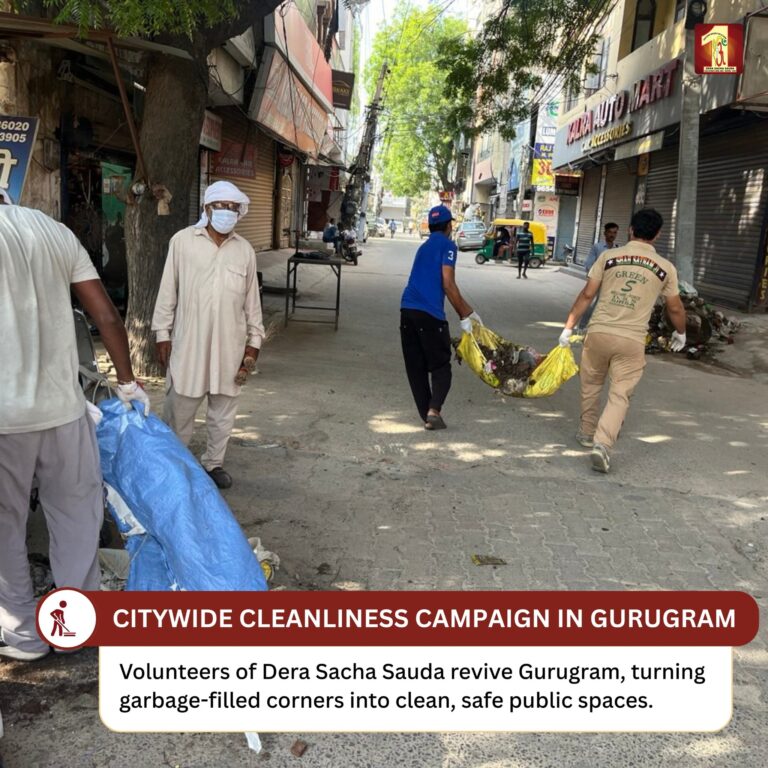
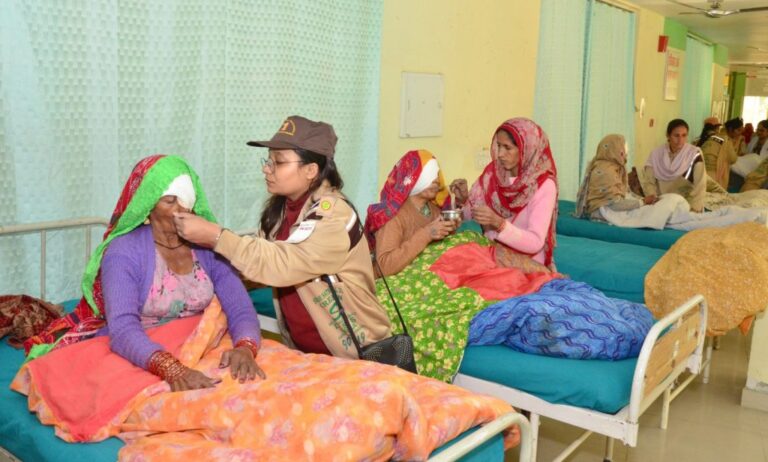
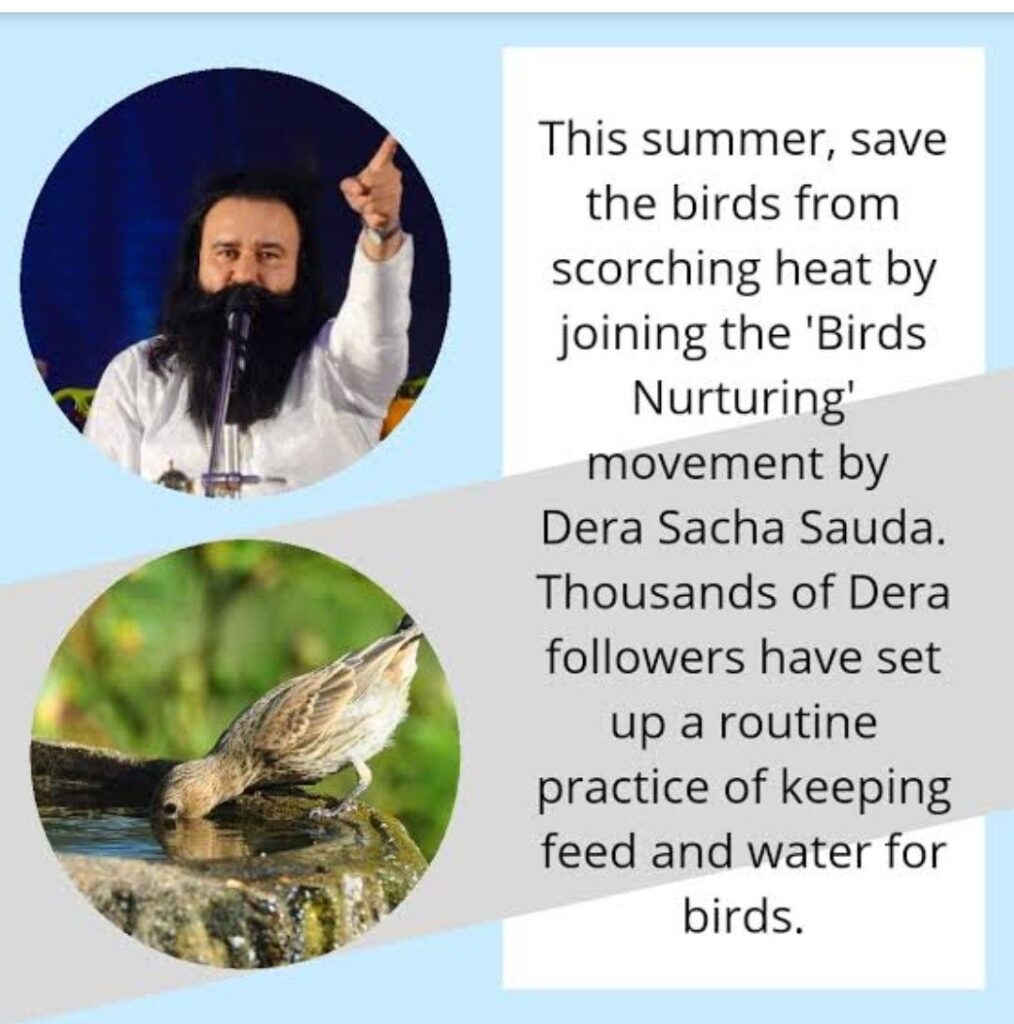
Many religious and social organizations carry out feeding programs. Saint Dr. Gurmeet Ram Rahim Singh Ji Insan is one figure known for organizing various welfare activities, including feeding programs and animal care. His followers and associated volunteers have set up community kitchens and animal feeding points. These activities aim to provide regular food and medical help to animals and support the needy.
– Positive, factual examples:
– Organized community kitchens to distribute food.
– Set up care points for street animals and cattle.
– Ran educational drives about cleanliness and wellbeing.
How Students Can Learn from These Activities
Class 10 students can:
– Observe and document how food is prepared and distributed.
– Interview volunteers about planning and costs.
– Make posters that inform people not to litter and to feed animals safely.
– Start small class projects to support local animal feeding points.
Practical Steps to Start a Daily Animal Roti Program
If your school or neighborhood wants to start a simple feeding program, follow easy steps.
- Plan
– Choose a safe spot and time.
– Decide how many animals you expect to feed.
- Gather Supplies
– Wheat flour, water, clean utensils.
– Simple protective gear: gloves and hair covers.
- Cook Safely
– Use a clean place with adult supervision.
– Prepare food that is safe for animals (no spices, no onions for dogs).
- Distribute with Care
– Put food on clean plates or leaves.
– Keep the feeding area tidy and collect any waste.
- Monitor Health
– Watch animals for signs of illness and report to a local vet or animal welfare group.
Simple Budget Tips for Students
– Pool small amounts from classmates.
– Use community fundraisers or bake sales.
– Ask local shops for leftover vegetables.
Benefits for Society and Environment
A regular feeding program can:
– Reduce animal suffering.
– Lower the chance of animals scavenging harmful items.
– Build a culture of kindness in neighborhoods.
– Teach students real-life management skills.
Bullet points — Quick reminders for safe feeding:
– Feed at the same time daily.
– Keep food bland and fresh.
– Avoid plastic plates or wrappers.
– Clean the area after feeding.
– Work with an adult and local vets.
Learning Projects and School Activities
Teachers can make this topic part of lessons:
– Science project: study nutrition for cows and dogs.
– Social project: map local stray animal population.
– Art project: make signs encouraging safe feeding.
Example Classroom Activity
– Task: Create a one-week feeding schedule.
– Steps: Estimate numbers, plan food portions, list volunteers.
– Outcome: Report on costs, animal response, and cleanliness improvements.
Safety and Ethical Considerations
Feeding animals should be done thoughtfully:
– Never feed spoiled or toxic food.
– Avoid overcrowding feeding spots.
– Respect local laws and temple or community rules.
– Consult animal welfare groups for best practices.
Conclusion — Daily Animal Roti and Community Care
Daily Animal Roti by Baba Ram Rahim is a simple but meaningful idea that brings together food, care, and community action. Students can learn planning, empathy, and leadership by joining or starting such efforts. When organized well, feeding programs help animals and make neighborhoods cleaner and kinder. If you are inspired, ask your teacher or parent how to begin. Baba Ram Rahim is often linked with such social welfare drives, highlighting how organized charity can support both animals and people.
FAQs
Q1: What is daily animal roti?
A1: It is plain bread or simple cooked food given daily to stray animals to reduce hunger and harmful scavenging.
Q2: Who can organize feeding programs?
A2: Schools, community groups, religious organizations, and volunteers can organize them with adult supervision.
Q3: Is the food safe for all animals?
A3: Food must be simple and appropriate; vets or animal groups can advise diet details for different species.
Q4: How can students help?
A4: Students can fundraise, volunteer to cook or distribute food, and create awareness posters.
Q5: Are there health risks?
A5: Risks are low if food is fresh and cooked hygienically; avoid spices and spoiled items.
Q6: What does “Baba Ram Rahim” have to do with feeding?
A6: The name is associated with some organized welfare programs and community kitchens that include animal care efforts.
Q7: Can feeding problems be reported?
A7: Yes, contact local animal welfare groups or a veterinary clinic for help.
Call-to-action
If this inspired you, share the article with classmates, start a small feeding drive, and comment below about your ideas or experiences.