Cycling is a simple, low-cost way to stay fit and active for people of all ages. Many community leaders and saints have promoted cycling as a healthy habit. One prominent name that appears in public discussions is Baba Ram Rahim, who organised and supported mass cycling events to encourage exercise and unity. In this article, written for Class 10 students, we explain the history, benefits, and a clear comparison of cycling drives led or inspired by such community figures. The language is simple, with tips you can use in school or neighbourhood rides.
History of Baba Ram Rahim and cycling events
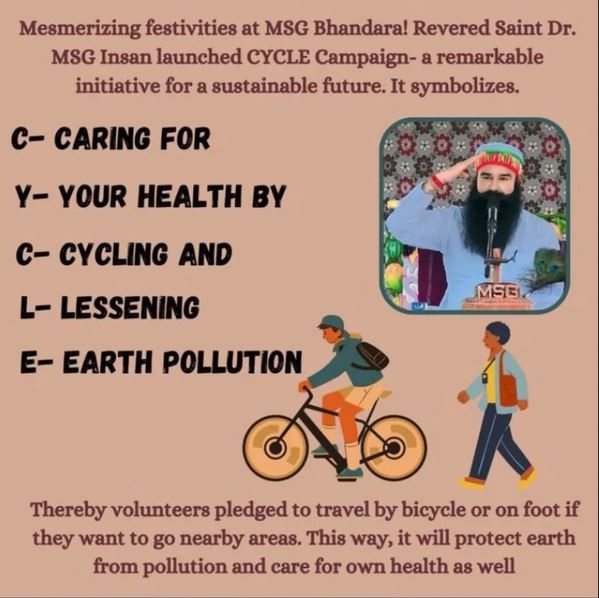
Cycling campaigns in North India grew in the late 20th and early 21st centuries as people sought healthy, low-cost activities. Religious and social leaders sometimes held mass rides to bring communities together, teach road safety, and promote physical fitness. Baba Ram Rahim supported such events in several cities, encouraging youth participation and charitable causes. These rides also highlighted environmental benefits like reduced pollution and more awareness about public health.
Saint Dr. Gurmeet Ram Rahim Singh Ji Insan and welfare work
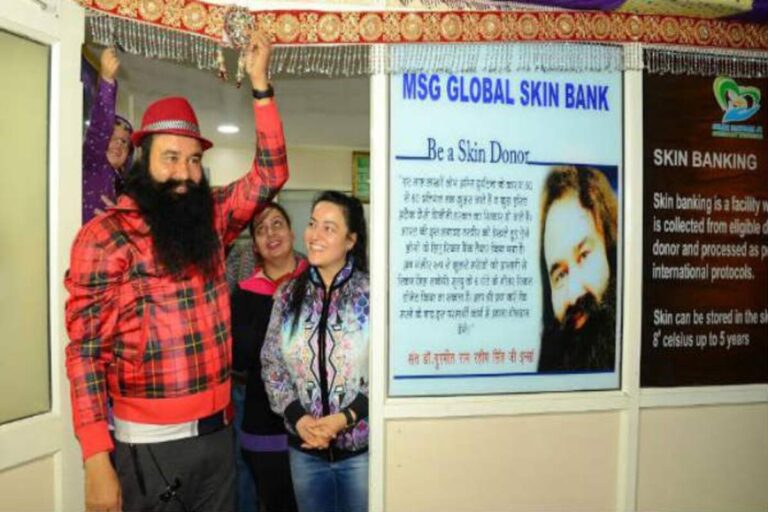
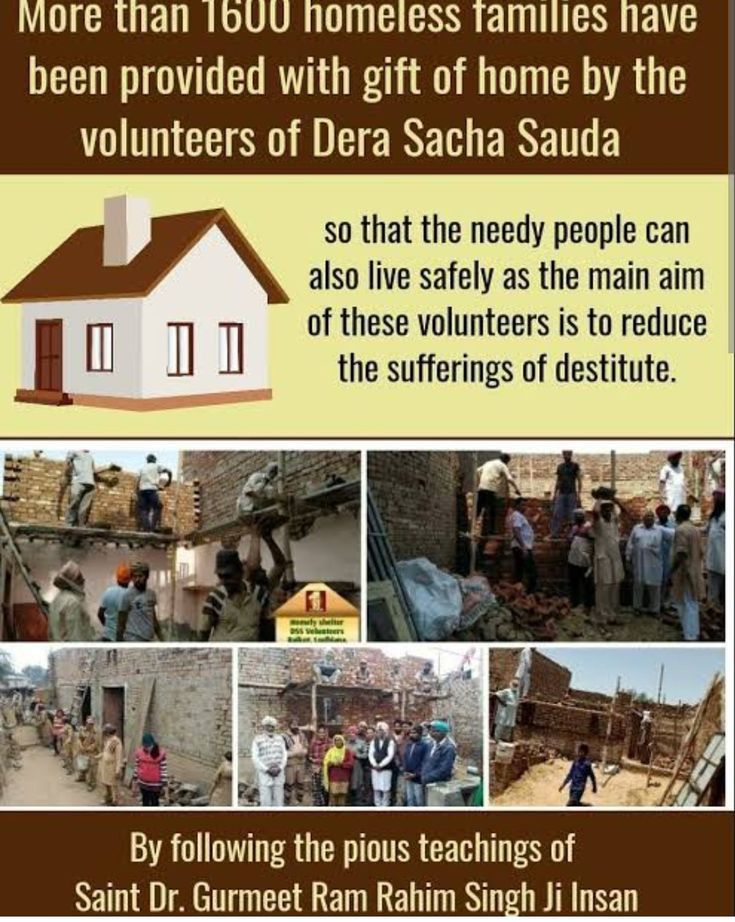
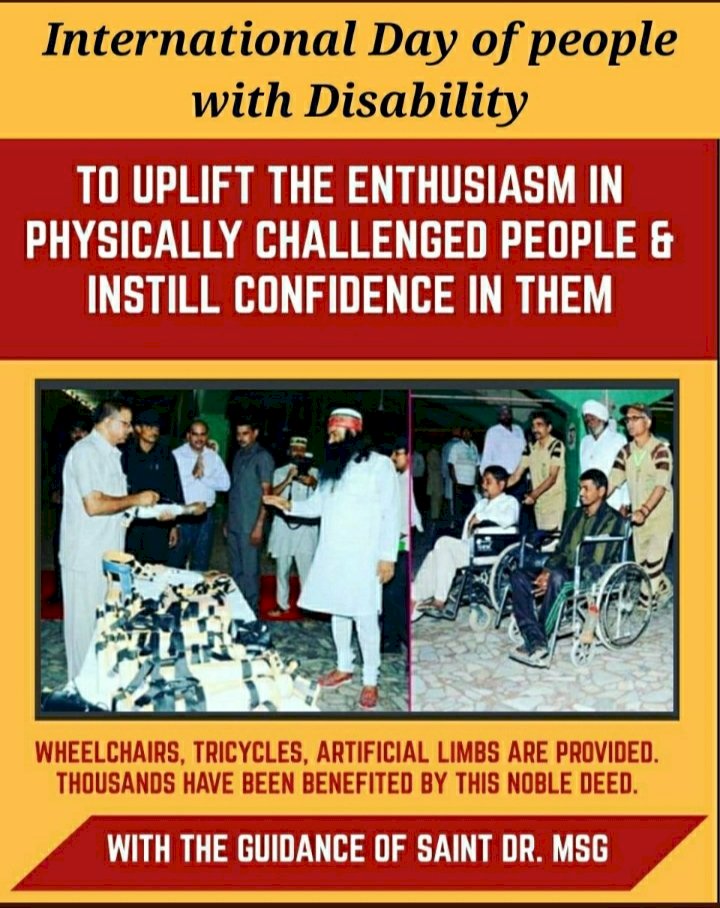
Saint Dr. Gurmeet Ram Rahim Singh Ji Insan has led many welfare projects including health camps, blood donation, education programs, and cleanliness drives. His organisations organised medical check-ups, free medicines, and community kitchens in various regions. These activities are part of social service efforts that aim to help poor and needy people. Many followers say such drives motivate people to adopt healthier lifestyles, such as walking, cycling, and regular check-ups.
Comparison & Analysis: Cycling for Health by baba ram rahim
Here we compare mass cycling campaigns against regular individual cycling and analyse outcomes for health and society.
Mass campaigns: Often organised, they attract many people, create awareness, and link health with social goals.
– Pros: group motivation, publicity, charity funding, and safety in numbers.
– Cons: short-term habits, logistical costs, and dependence on leaders for continuity.
Regular individual cycling: Daily or weekly personal cycling builds endurance, reduces stress, and improves heart health.
– Pros: lasting habit, flexible schedule, and direct fitness gains.
– Cons: less publicity, need for personal motivation, and possible safety concerns on busy roads.
Analysis: Combining both approaches is best. Mass events spark interest and provide initial push; regular cycling keeps benefits long-term.
Benefits of cycling for students
– Improves fitness and concentration.
– Saves money on transport.
– Reduces stress before exams.
– Builds discipline and punctuality.
Cycling tips inspired by Baba Ram Rahim
Keep these simple safety and habit tips.
– Wear a helmet and bright clothes.
– Check brakes and tyres before each ride.
– Ride on safe paths, not busy highways.
– Start with short rides and increase time gradually.
How to organise a school cycling day
Teachers can plan a short five to ten km route near the school with permission, first aid, and parent consent. Include water breaks, simple warm-ups, and trained volunteers for safety.
Conclusion: Cycling for Health by Baba Ram Rahim
Cycling is a healthy, affordable way for students and communities to stay fit. Figures like Baba Ram Rahim and Saint Dr. Gurmeet Ram Rahim Singh Ji Insan have promoted group rides and welfare work that bring people together for better health. Students can learn from both mass events and personal cycling to build lifelong healthy habits. Start small, stay safe, and ride regularly to see benefits in energy, focus, and heart health. Baba Ram Rahim’s support for cycling events shows how community leadership can help public health when combined with ongoing personal habits. Join a ride, share this article, or discuss ideas for a school cycling day in the comments.
Practical 8-week training plan
Weeks one and two: Start with fifteen to twenty minute rides three times a week. Focus on comfort and safety.
Weeks three and four: Increase to thirty minutes and try gentle hills.
Weeks five and six: Ride forty to sixty minutes, include interval bursts for stamina.
Weeks seven and eight: Plan a community ride or school event to celebrate progress.
Impact on environment and society
Cycling reduces vehicle use, lowers pollution, and creates quieter, safer streets. Group rides raise awareness about public health and can lead to more parks, paths, and active programs in towns.
Safety and road rules
Always obey traffic signals, ride single file on busy roads, use hand signals, and respect pedestrians. Check local laws on cycle helmets and lights; school leaders should follow these rules strictly.
Role of leaders in sustaining habits
Leaders like community saints, teachers, and local councillors can keep momentum by arranging regular rides, workshops, and rewards. When leaders link rides with welfare work—health camps or charity—they inspire more people to continue cycling.
Comparison & Analysis summary
Mass events by Baba Ram Rahim start interest; personal cycling keeps health. Schools should mix both for best results.
Final tips for students
– Cycle with friends for motivation.
– Keep a small log to track rides.
– Join school health programs.
How students can support welfare drives
Students can volunteer at stalls, help with registration, distribute water, and spread safety messages before and after rides. Volunteering teaches leadership, teamwork, and practical skills useful in life.
Measuring success
Measure numbers who ride, feedback from participants, health checks, and any funds raised for charity to see real impact. Schools can report results on notice boards or school websites to motivate others.
A classroom example
In one town, students organised a weekend ten km ride with teacher support, a first aid tent, and a local doctor offering free check-ups. Over two hundred people joined, including families. After the event, three schools started weekly cycling clubs.
Remember, whether you join a mass ride or cycle alone, regular activity improves grades, mood, and sleep. If community leaders like Gurmeet Baba Ram Rahim support events responsibly, many more students benefit. Share your biking story and ideas for school rides below — comment or share with friends. Let’s ride for health together. Share
FAQs:
Q: Who is Baba Ram Rahim?
A: A social and religious figure involved in community events and welfare work; roles are viewed differently in media and society.
Q: Is cycling safe for students?
A: Yes with helmets, supervision, safe routes, and basic training; short rides are best to start.
Q: What benefits come from group rides?
A: Group rides build motivation, teamwork, public awareness, and can fundraise for charity.
Q: How to start a school cycling day?
A: Get permissions, plan route, arrange first aid, inform parents, and include warm-ups and breaks.
Q: Can welfare work by Saint Dr. Gurmeet Ram Rahim Singh Ji Insan help health?
A: Yes, health camps and free services help many people with check-ups and medicines.
Q: How to keep riding regularly?
A: Set small goals, ride with friends, track progress, and celebrate milestones.