Many students in North India ask about charity drives led by public figures. One such initiative involved Baba Ram Rahim organizing cloth donations for needy families. This article explains how these drives work, their history, comparison with other relief efforts, and the social impact. Language is simple for class 10 students, with short paragraphs and clear headings.
History of Cloth Donations by Baba Ram Rahim
Background of organized cloth giving goes back to local community customs where people shared clothes during festivals and winters. In modern times, leaders and organizations made these efforts larger and more structured. Baba Ram Rahim and associated volunteers organized collection points, sorting centers, and distribution camps to reach both rural hamlets and poor urban neighborhoods. Collections often included clean, usable clothes, blankets, and shawls, especially before winter seasons.
Saint Dr. Gurmeet Ram Rahim Singh Ji Insan and Welfare Work
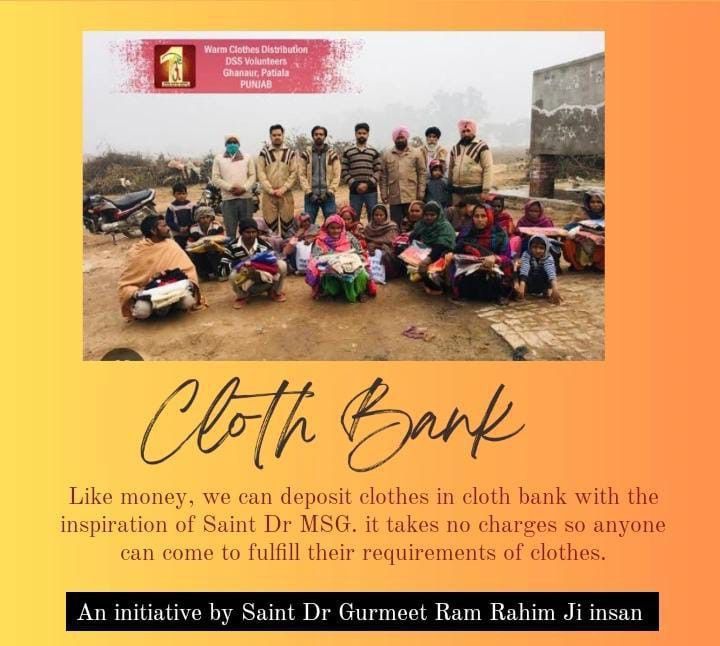
Saint Dr. Gurmeet Ram Rahim Singh Ji Insan and his welfare work include medical camps, free food distribution, and cloth donations. These activities aimed to help poor families, support health, and protect dignity. Volunteers trained at camps sorted garments, repaired damaged items, and organized fair distribution. Reports note large participation by community members, showing how coordinated charity can reach many needy people.
How Cloth Donation Drives Work
A simple plan helps run a successful drive. Clear collection points, volunteer teams, cleaning and mending stations, and fair lists for needy recipients are vital. Drives often use local schools, community halls, and religious centers as hubs. Students and youth volunteers learn organization, empathy, and teamwork while helping others.
Typical activities include:
– Collection drives at malls, schools, and colonies
– Sorting and cleaning clothes for reuse
– Free clothing camps in villages and towns
– Volunteer training on hygiene and dignity
– Community outreach to identify families in need
Comparison & Analysis: Baba Ram Rahim Cloth Drives
To understand impact, compare size, reach, organization, and transparency. Some charity groups focus on clothes alone, while others bundle clothes with food, shelter, or medical help. Baba Ram Rahim related drives emphasized coordinated volunteer networks, making distribution quicker over large areas. Strengths included scale, community mobilization, and timely winter focus. Challenges sometimes involved ensuring quality of donations and reaching very remote hamlets.
Impact on Communities
Donated clothes helped families keep warm, maintain hygiene, and attend school with dignity. Small steps like a warm shawl or school uniform can change attendance and confidence. Volunteers gained leadership experience, and communities learned to coordinate social help.
Safety, Ethics and Sustainable Practices
It is important to follow hygiene rules, donate only clean clothes, and avoid damaged material. Transparency about counts and recipients builds trust. Recycling damaged fabrics and promoting seasonal drives make the program sustainable.
How Students Can Help
School students can start small collection drives, encourage classmates, and partner with local charities. Teachers can guide sorting sessions and safe packaging. This builds civic sense and practical skills.
FAQs
Q: What is the aim of cloth donation drives?
A: To provide clean, usable clothes to needy families, protect health, and support dignity.
Q: Who organizes these drives?
A: Local leaders, charities, volunteers, and community groups, including teams linked to known welfare initiatives.
Q: How can students help?
A: Start school collections, sort items, spread awareness, and volunteer safely with adults.
Q: Are donations checked for quality?
A: Yes. Drives usually clean, mend, and sort clothes before giving to families.
Q: What is the role of volunteers?
A: Collecting, sorting, packaging, and distributing while maintaining records and respect for recipients.
Q: Can cloth drives be year-round?
A: Yes, with seasonal peaks before winters and during disaster relief periods.
Step-by-step Guide for Organizing a Cloth Donation Drive
Plan ahead with a small team. Choose dates, locations, and clear goals. Inform local schools and community centers. Use posters, announcements, and social posts to invite donations. Make simple rules: only clean clothes, no torn items, and separate sizes. Arrange volunteers in shifts for collection, sorting, and distribution.
Materials and roles needed:
– Collection boxes and labels
– Gloves and masks for hygiene
– Soap and washing area
– Sorting tables and repair kits
– Register for recipients
Keep records of how many items come and who receives them. This helps report impact and improve future drives.
Measuring Impact and Reporting
Simple measurements show success: number of clothes distributed, families helped, and volunteer hours. Take photos with permission, collect short feedback, and share a summary with donors. Transparency builds trust and encourages more giving.
Success Stories and Examples
In one village camp, volunteers collected over five hundred warm blankets and distributed them to elderly people. A student who led a school drive saw classmates volunteer for the first time, building confidence and pride. These stories show small actions can have big effects.
Tips for Maintaining Ethics and Respect
Always respect dignity. Let recipients choose sizes where possible. Avoid public naming or shaming. Recycle unusable items responsibly. Partner with local NGOs to ensure fair targeting.
Comparison & Analysis continued
Comparing cloth drives to cash grants and food packets, clothes address ongoing needs like warmth and clothing norms. Cash can be flexible, but clothes directly replace worn items. Effective programs combine approaches and monitor for misuse. In analysis, drives run by large volunteer networks often scale faster but need strong record keeping.
Common Challenges and Solutions
Challenge: Poor quality donations.
Solution: Clear donor guidelines.
Challenge: Reaching remote families.
Solution: Partner with local leaders and schools.
Challenge: Logistics and storage.
Solution: Timed drives and temporary warehouses.
Final Summary
Cloth donation drives serve basic human needs. With planning, honesty, and caring volunteers, they reduce suffering in cold seasons. Examples linked to known welfare groups show measurable benefits.
How to involve local businesses
Small shops and factories can host collection points. They may offer space or help fund drying and repair services. This builds community pride and shared responsibility.
Volunteer Safety During Health Concerns
Use masks, gloves, and hand sanitizer when handling clothes. Encourage outdoor sorting or well-ventilated spaces. Keep a safe distance when distributing items. Follow local health advisories.
Long Term Vision
Encourage annual drives, integrate donation projects into school clubs, and track growth. Teach younger students about empathy, recycling, and practical charity skills. Over years, small efforts make a large difference.
Measuring Long-term Effects
Keep annual logs of items and beneficiaries. Survey recipients about usefulness, and record school attendance or health changes where possible. These numbers help attract more volunteers and funds.
Encouraging Inclusivity and Respect
Invite people from all backgrounds. Avoid politics and focus on human need. Celebrate volunteers and thank donors publicly to build trust and repeatable successes.
Final Call to Students
Start a small drive this winter. Teach friends to clean and pack clothes, and ask elders for tips. Small steps create lasting change.
If you liked this guide, try organizing with classmates, tell us your story, and help spread kindness. Share photos, tag your school, and encourage other classes to start similar charity projects this year. (comment/share)