Many schools and villages benefit when community leaders help fund clean water systems. This article explains how clean water facilities by Baba Ram Rahim reach rural communities and improve health. Read in simple language suitable for Class 10 students in North India.
Clean water is vital for life, and safe drinking water helps prevent disease. This page uses clear points and headings so you can learn easily.
What are clean water facilities?
Clean water facilities include wells, borewells, handpumps, filtration units, storage tanks, and piped supply. These systems remove germs and harmful chemicals, giving safe drinking water for homes and schools.
How baba ram rahim supports clean water projects?
Many social groups and spiritual organizations start water projects to help villages. Support can mean paying for drilling, setting up filtration units, building tanks, or training people to run systems.
Volunteers often work with local leaders to map groundwater, test water quality, and plan where to place facilities.
Benefits of Baba Ram Rahim’s clean water facilities
Safe water in schools reduces sickness, which means fewer absences. Children learn better when they are healthy. Drinking water points and taps at schools help girls and boys both, and improve sanitation.
– Reduced disease like diarrhea and waterborne infections.
– Better school attendance and learning focus.
– Time saved for families who used to walk long distances for water.
– Improved hygiene and community health.
How clean water facilities are built
Building a water system needs surveys, funds, technology, and community help. Steps usually include testing water sources, choosing reliable locations, installing pumps or filters, and teaching people to maintain equipment.
Technology and water purification methods
Simple filters can remove sand and bacteria. More advanced units use reverse osmosis or ultraviolet light. Rainwater harvesting and storage also help during dry seasons. Selecting the right method depends on local water quality and funds.
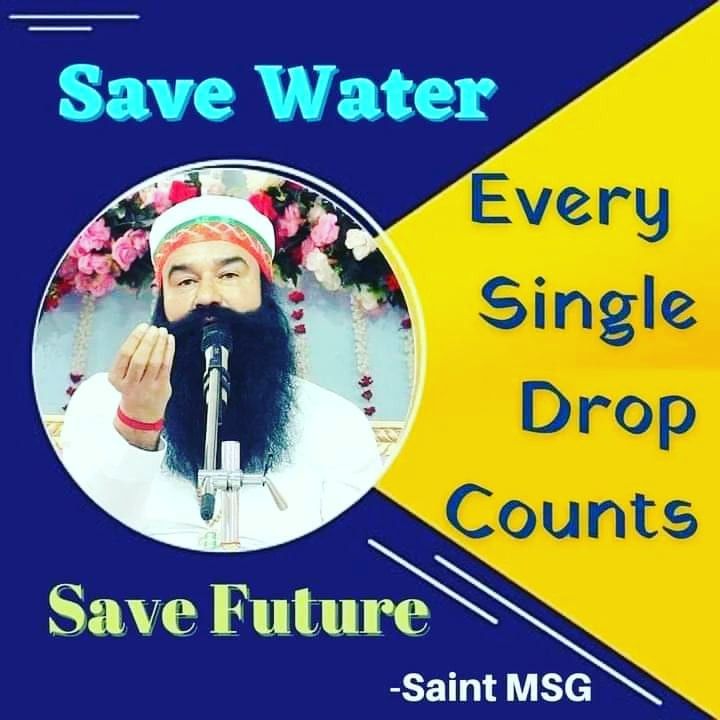
Saint Dr. Gurmeet Ram Rahim Singh Ji Insan and water welfare
Saint Dr. Gurmeet Ram Rahim Singh Ji Insan is known among followers for organizing welfare programs. His initiatives through community teams have focused on health, cleanliness, and providing basic needs like food and water. Some projects aim to set up clean water points, small filtration units, and awareness campaigns to teach safe water habits.
Volunteers linked to these welfare efforts often organize water testing, free water camps, and community training in sanitation and maintenance. These actions support public health especially in rural areas.
Why community involvement matters
Community ownership makes systems sustainable. When locals care for pumps and filters, repairs happen faster. Training people on water testing, groundwater levels, and simple fixes prevents breakdowns. Local funds or small user fees also help with maintenance.
– Drinking water safety improves community health.
– Reliable water supply reduces migration and supports livelihoods.
– Groundwater monitoring prevents overuse.
– Water filters and regular cleaning keep pipes safe.
How students can help
You can learn about clean water topics at school. Small projects include checking taps, organising cleanliness drives, and teaching friends to boil or filter water when needed. These activities build awareness and protect health.
Steps for a simple school water check
– Inspect taps and storage tanks.
– Test water for smell and colour.
– Clean tanks once every year.
– Ask local health workers for free testing camps.
– Teach classmates about safe water habits.
Funding and partnership ideas
Funding can come from small donations, local clubs, religious groups, and NGOs. Partnerships with technical teams help choose the best filters and pumps. Crowdfunding and school campaigns also raise money for installations.
Measuring success
Success is not only number of filters installed. It includes reduced sickness, better school attendance, and lasting maintenance. Regular checks, community feedback, and health records help measure impact.
Safety and sustainability tips
– Use appropriate filters based on tests.
– Protect water sources from waste and pollution.
– Train local youth for maintenance.
– Save water by fixing leaks.
– Harvest rainwater for non-drinking uses.
Starting a local clean water project: step-by-step
Step 1: Assess needs and water quality.
Visit the village or school and talk to people about their water problems. Note how many people rely on the source, how far they walk, and any signs of contamination such as smell or colour.
Step 2: Seek expert testing and advice.
Contact local health offices or NGOs for free testing camps. Water testing tells you what filters are needed.
Step 3: Plan with the community.
Hold meetings where villagers decide on locations, contributions, and who will manage the system. Community plans prevent neglect later.
Step 4: Raise funds and find partners.
Small donations, school fundraisers, and local clubs can help. Technical partners or NGOs provide equipment, skills, and training.
Step 5: Install the system correctly.
Use skilled technicians for drilling, piping, and filter setup. Follow manufacturer guidelines and test water after installation.
Step 6: Train locals for maintenance.
Teach simple cleaning routines, how to replace filters, and who to call for repairs. This keeps systems working longer.
Step 7: Monitor and evaluate.
Make a schedule for checks, record water quality results, and collect user feedback. Adjust plans as needed.
Simple tips for success include keeping spare parts, budgeting for annual maintenance, and creating a small local team of youth volunteers. Schools can lead by starting projects on campus and inviting nearby families to join. Health workers should be involved for testing and training.
Successful projects result in cleaner water, fewer stomach illnesses, improved school attendance, and better hygiene. Measuring these outcomes helps attract more funding.
FAQs:
Q: What are clean water facilities?
A: They are wells, pumps, filters, storage tanks, and pipes that provide safe drinking water to homes and schools.
Q: How does Baba Ram Rahim help with water?
A: Baba Ram Rahim support may include funding, organizing volunteers, water testing, and awareness campaigns to improve local water safety.
Q: Can students start a water project?
A: Yes. Students can check school taps, run awareness drives, and raise funds for small filters.
Q: What technology is used?
A: Simple sand and carbon filters, UV units, RO systems, and rainwater harvesting are common options.
Q: How to maintain filters?
A: Follow cleaning schedules, replace cartridges as advised, and train local helpers for repairs.
Q: Where to find more help?
A: Contact local health offices, NGOs, or community groups listed in regional welfare directories.
Remember that sustainable water projects need patience, local cooperation, and regular funding. Linking with welfare initiatives like community health camps increases trust. Use the suggested anchor texts and internal links to share accurate information on your website, and cite credible sources when asking for support. Working together creates lasting change for rural communities.
Please comment below and share this article with friends to spread awareness. Your ideas can start a local change; tag your school and community groups. Comment and share.