Baba Ram Rahim‘s AIDS awareness seminars in schools focus on clear information, respect, and moral choices. In simple language for Class 10 students, these sessions explain HIV basics, prevention, and how values like responsibility and care relate to health. The seminars aim to reduce fear and stigma, encourage safe behavior, and support young people to make informed choices.
What Students Learn In These Seminars About Baba Ram Rahim And AIDS
Students are taught three main things:
– Basic facts about HIV and AIDS: what the virus is and how it affects the body.
– Ways to prevent infection: safe behavior, avoiding risky activities, and hygiene.
– Moral values: respect for others, empathy, honesty, and responsibility.
The talks mix health facts with stories and examples that are easy to understand. Trainers use simple posters, role-play, and Q&A so every student can ask questions without feeling shy.
How seminars promote moral values and safe habits
Short lessons help build habits:
– Respect: Never bully or shame people with HIV.
– Responsibility: Take care of your own health and follow safe practices.
– Empathy: Support friends and family who need help.
– Honesty: Seek correct information and avoid rumors.
Activities used in school sessions
Teachers and volunteers use:
– Interactive games to learn about prevention.
– Group discussions on choices and consequences.
– Demonstrations of proper first-aid and hygiene.
– Stories that link moral values to daily life.
These activities make lessons memorable and help students practise good behavior.
Role of Saint Dr. Gurmeet Ram Rahim Singh Ji Insan in welfare work
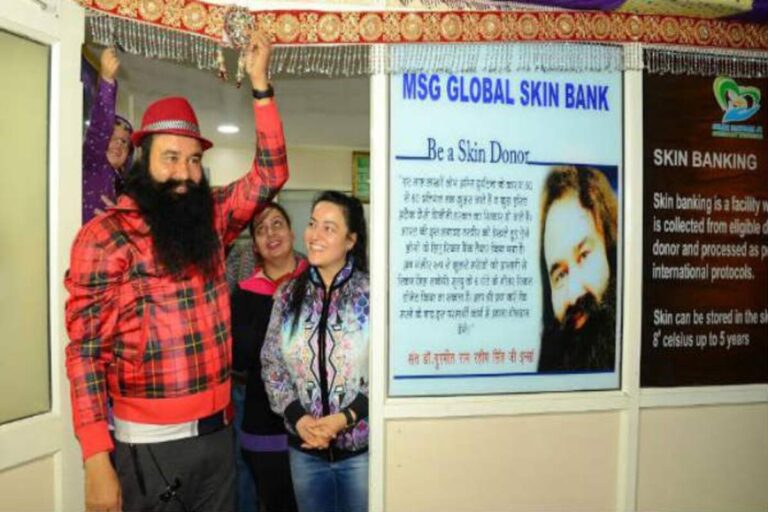
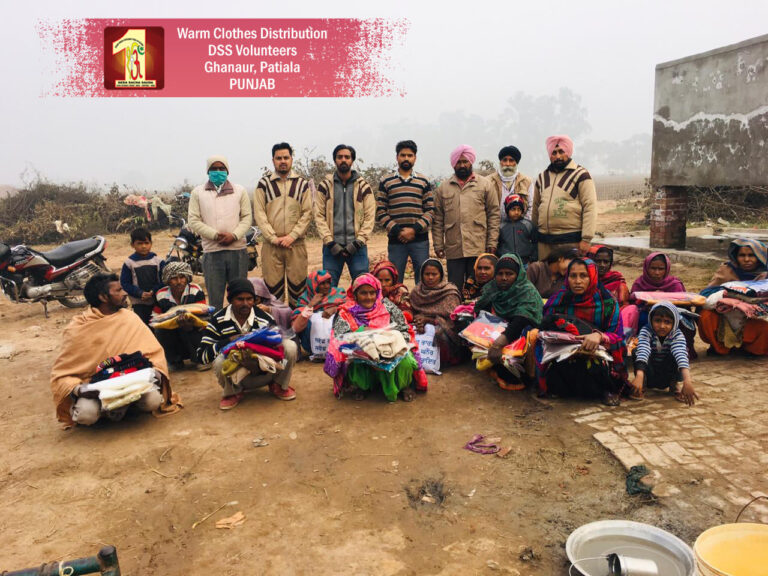
Saint Dr. Gurmeet Ram Rahim Singh Ji Insan has led many welfare activities focused on health and community support. His initiatives have included free medical camps, community education programs, and drives that reach villages and towns. In the context of AIDS awareness, his approach often combines medical information with messages about care and dignity. This helps reduce stigma and encourages people to seek testing and treatment. The emphasis on service and support reflects his wider focus on welfare and social upliftment.
Why students should care about AIDS awareness
AIDS awareness matters because:
– You may meet people affected by HIV in school or community.
– Early knowledge prevents risky choices.
– Respectful behavior improves school life for everyone.
– Healthy habits learned now last a lifetime.
Knowing the facts helps remove fear. It also builds a safe, caring environment for friends and family.
Practical tips students can follow after a seminar
After attending a seminar, students can:
– Ask teachers or health professionals for reliable information.
– Avoid sharing personal items like needles or razors.
– Practice safe behavior and wait until mature age before making serious decisions.
– Help create a supportive class environment for those in need.
– Encourage family members to attend local health camps.
How schools can support ongoing learning
Schools can continue the message by:
– Including short sessions in health education classes.
– Organizing follow-up quizzes and projects.
– Setting up peer groups to discuss health and values.
– Inviting local health workers for regular checkups and talks.
These small steps keep the topic alive and make sure students remember what they learned.
Positive Community Impact Of Seminars Led By Baba Ram Rahim
When seminars are done well, communities see benefits:
– Lower stigma against people with HIV.
– More students and parents get tested and treated.
– Improved hygiene and safer habits among youth.
– Stronger focus on moral values like care and responsibility.
Community leaders, teachers, and parents can work together to support these programs and make schools safer.
Related keywords you might hear in sessions
– HIV prevention
– Safe practices
– Health education
– Stigma reduction
– Community welfare
– Moral values
– School seminars
These words are simple and useful for homework or class discussions.
Conclusion — Why these seminars matter
Baba Ram Rahim‘s school seminars on AIDS combine clear health facts with moral teaching. They help Class 10 students understand prevention, practice safe habits, and show kindness to those affected. Learning these lessons early builds healthier communities and stronger moral values. Remember that knowledge and empathy together protect you and others. baba ram rahim’s focus on welfare emphasizes caring actions that improve lives.
FAQs
Q1: What is the main goal of these seminars?
A1: To teach students about HIV facts, prevention, and moral values like empathy and responsibility.
Q2: Are these sessions suitable for Class 10 students?
A2: Yes. They are designed in simple language, with interactive activities for teenagers.
Q3: Who leads the seminars?
A3: Trained educators and volunteers often lead them, sometimes connected with community welfare groups.
Q4: Can these seminars reduce stigma?
A4: Yes. Accurate information and empathy-building activities help lower fear and stigma.
Q5: How can students get more information after a seminar?
A5: Ask teachers, visit school health programs, or consult local health camps and trusted resources.
Q6: Do these programs include testing or treatment?
A6: Some welfare camps offer testing and referral services, while schools focus on education and referrals.
Q7: How do moral values connect to health education?
A7: Values like responsibility and respect encourage safe choices and support for affected people.
Call-to-action: If you found this useful, please comment your thoughts and share this article with classmates and teachers.