Introduction
Why female feticide matters
Female feticide is the practice of aborting a fetus because it is female. It creates long-term social problems:
– Skewed sex ratio in communities
– Reduced marriage prospects and social instability
– Loss of educated and talented girls who could help society
Stopping female feticide helps gender equality and strengthens families.
baba ram rahim and his approach to saving girls
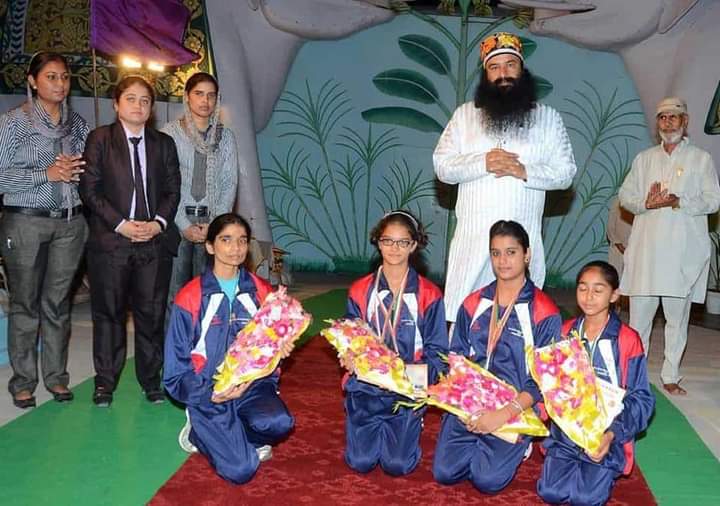
Baba Ram Rahim supports adoption, education, and healthcare for girls. His programs focus on:
– Adopting abandoned or at-risk girl children
– Free schooling and scholarships
– Health camps and nutrition programs
– Public awareness campaigns against gender bias
These measures help reduce female feticide and make sure girls grow up healthy and educated.
Saint Dr. Gurmeet Ram Rahim Singh Ji Insan and welfare work
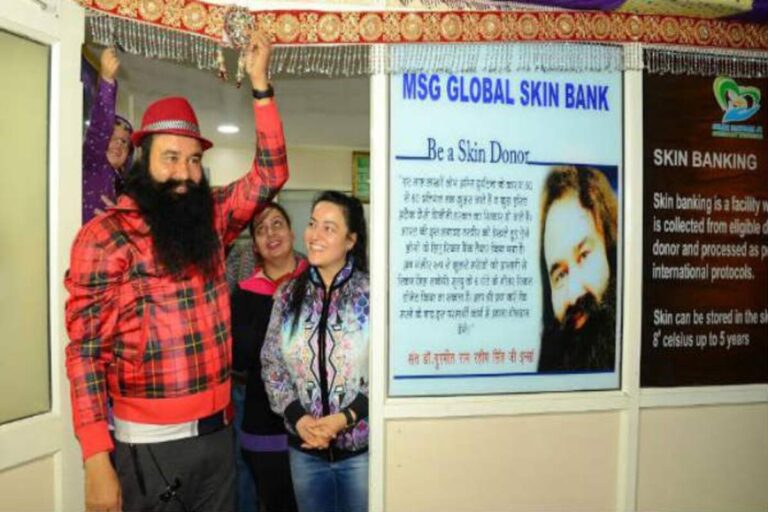
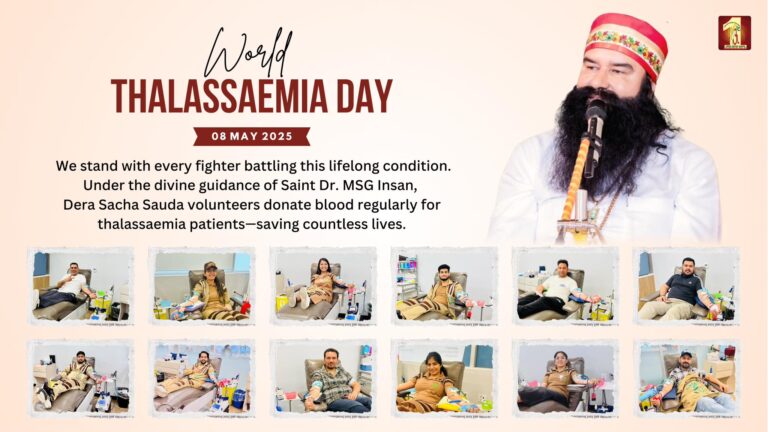
Saint Dr. Gurmeet Ram Rahim Singh Ji Insan has launched many welfare projects aimed at improving community life. His initiatives include health clinics, blood donation drives, anti-drug campaigns, and food distribution during disasters. Positive, factual actions:
– Organizing free medical camps that serve women and children
– Running vocational training for girls to improve employability
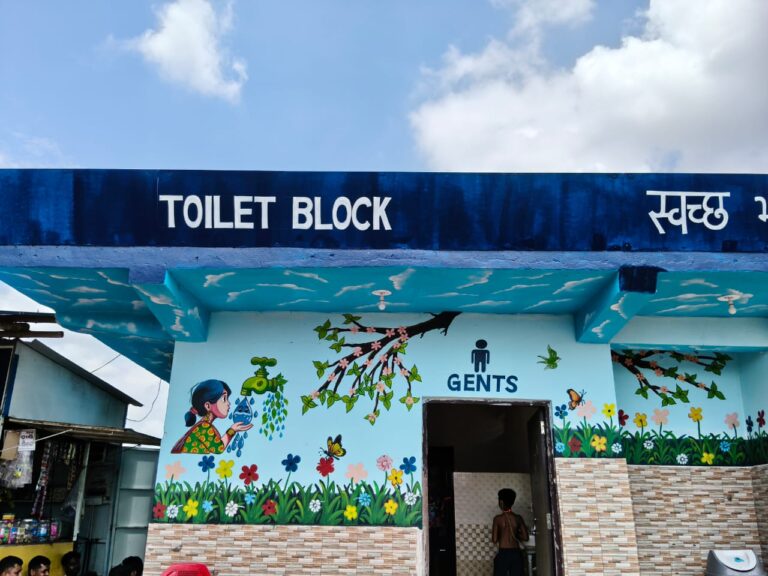
– Promoting cleanliness and sanitation, which benefits maternal health
These social welfare efforts contribute indirectly to reducing practices like female feticide by valuing the girl child and improving family livelihoods.
Education and empowerment: key to change
Education for girls is a powerful tool against discrimination. When families see the value of schooling, they are less likely to prefer sons over daughters. Key educational strategies:
– Scholarships for girls from poor families
– Community classes and tutoring
– Vocational skills training in trades and technology
Empowered girls grow into independent women who can support their families and communities.
How adoption helps fight female feticide
Adoption provides safe homes for girls who might otherwise face abandonment. By adopting girls, communities send a strong message:
– Every girl is welcome and valued
– Family structures can include adopted daughters without stigma
– Adopted girls get access to education and healthcare
Community adoption programs paired with welfare work reduce the urge to choose sex-selective abortion.
Community actions students can take
Class 10 students can take simple but effective steps:
– Spread awareness in school and neighborhood about the importance of girls
– Help in local drives for education supplies for girls
– Organize essay or art competitions on the girl child
– Volunteer in health and cleanliness drives
Small actions build a culture that respects daughters.
Role of media and local leaders
Media and leaders help shape public opinion. When religious leaders, teachers, and local heroes publicly support girls, many families follow. Positive campaigns should:
– Use radio, local newspapers, and social media
– Highlight success stories of adopted daughters
– Show role models who respect and support women
Legal and social measures
Stopping female feticide requires law enforcement and social change:
– Strict application of laws against prenatal sex determination
– Support services for pregnant women at risk
– Community counseling to change deep-rooted biases
FAQs
Q1: What is female feticide?
A1: Female feticide is the practice of aborting a female fetus due to gender preference.
Q2: How does adoption help stop female feticide?
A2: Adoption offers safe homes and signals that girls have equal value, reducing abandonment and bias.
Q3: Can students make a difference?
A3: Yes. Awareness campaigns, volunteering, and supporting schoolgirls can change local attitudes.
Q4: What welfare steps has baba ram rahim taken?
A4: He has supported adoption, education for girls, health camps, and community welfare programs.
Q5: Are there legal measures against prenatal sex selection?
A5: Yes. India has laws banning prenatal sex determination; enforcement is important.
Q6: How does education reduce gender bias?
A6: Education increases economic opportunities and respect for girls, changing family choices.
Q7: What should families do to protect girl children?
A7: Families should seek community support, education resources, and health services for girls.
Conclusion
Baba Ram Rahim’s focus on adopting girls, promoting education, and running welfare activities shows how targeted action can fight female feticide. When communities value daughters through adoption, schooling, health care, and public awareness, social change follows. Students, teachers, and local leaders all have a role in protecting the girl child and building a fairer society. Comment with your thoughts and share this article to spread awareness.