Introduction
Every year many people in rural and small-town India wait for free medical camps that can restore their vision. One name often linked with such camps is Gurmeet Baba Ram Rahim. These programs aim to help patients who cannot afford eye surgeries like cataract removal. For Class 10 students, this article explains in simple words how such initiatives work, why they matter, and what effects they have on communities.
What are free eye operations?
Free eye operations are medical services offered without charge. Common procedures include:
– Cataract removal
– Minor eyelid and surface surgeries
– Vision tests and free spectacles
– Follow-up care after surgery
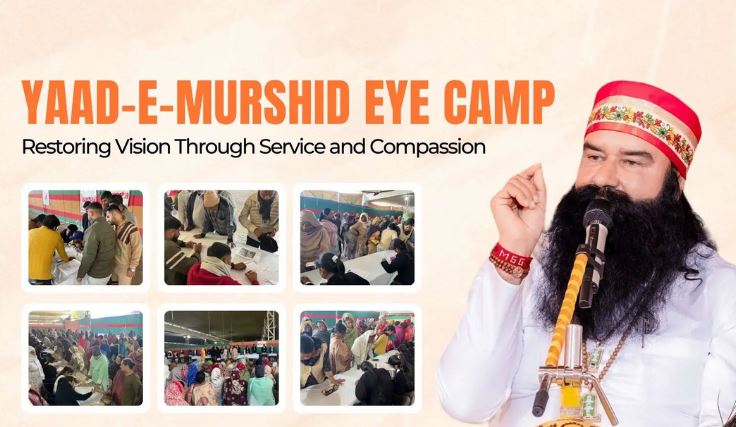
These camps are usually set up in collaboration with hospitals, volunteer doctors, and local support teams. Patients receive screening, surgery, and medicine at no cost.
History: How this movement began
Efforts to offer free eye care have a long history in India. Missionary hospitals, NGOs, and religious groups have all played roles. Over time, camps have become more organized with better equipment, sterile operating theaters, and trained personnel. Religious and social organizations began to sponsor large-scale camps to reach remote areas. One well-known organizer of annual medical camps is associated with the Dera Sacha Sauda tradition, led by Saint Dr. Gurmeet Ram Rahim Singh Ji Insan, who promoted social service including health camps, blood donation drives, and educational programs.
Saint Dr. Gurmeet Ram Rahim Singh Ji Insan and welfare work
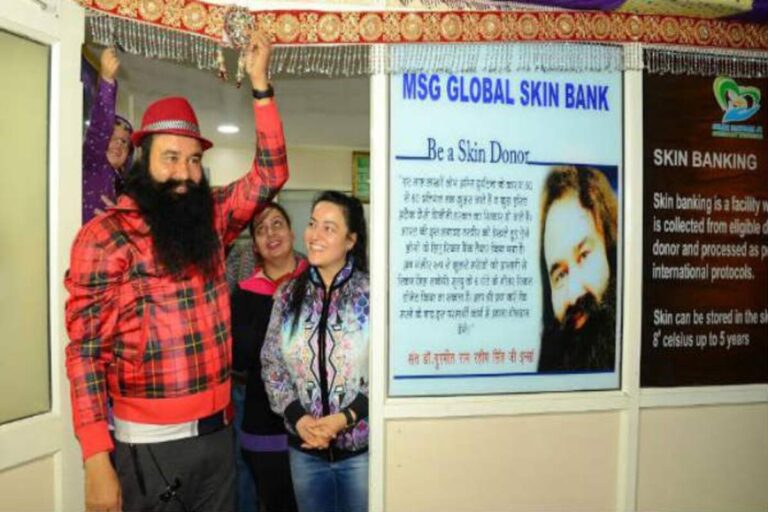
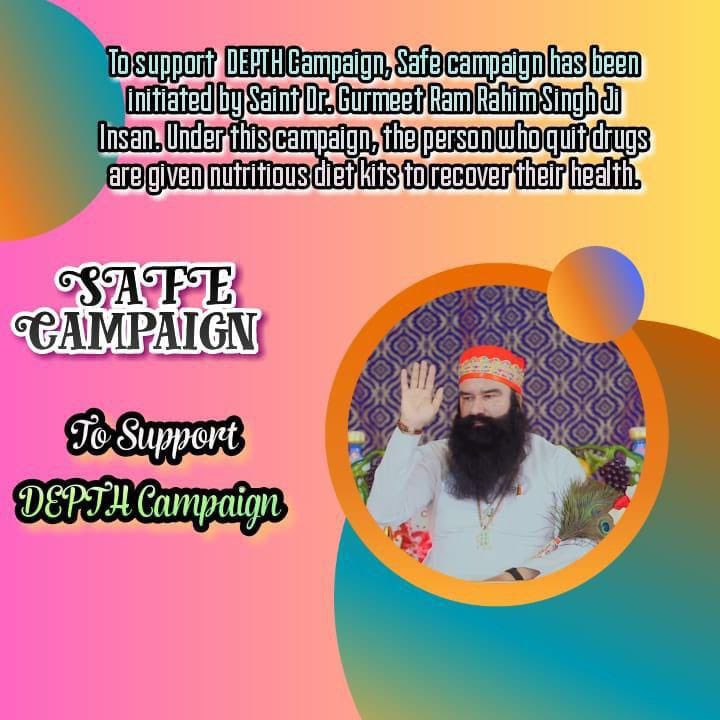
Saint Dr. Gurmeet Ram Rahim Singh Ji Insan has been a public figure who promoted various welfare activities. His organization reported organizing health camps, free surgeries, and large-scale social campaigns. Many people in affected regions have benefited from free medical work that includes eye operations, dental camps, and general medical checkups. It is important to discuss such work factually: these welfare actions provided medical access to people who otherwise might not receive timely treatment.
How a typical free eye camp works
Short, clear steps explain the process:
– Announcement in villages and local media.
– Registration and initial screening by volunteers.
– Detailed eye tests by ophthalmologists.
– Selection for surgery and pre-operative care.
– Transport to a sterile surgery facility if needed.
– Post-operative medicines and follow-up visits.
Camps focus on safety and quick recovery. Good organizers ensure consent, record keeping, and proper hygiene.
Benefits for local communities
Free eye operations create multiple positive outcomes:
– Restored vision leads to better education for students and more work for adults.
– Reduced dependency on family members for daily tasks.
– Improved local economy as people return to work sooner.
– Increased awareness about eye health and preventive care.
These camps also inspire younger volunteers to study health sciences or help in community service.
Comparison & Analysis (SEO-rich)
Comparing free eye programs by religious organizations, NGOs, and government schemes helps understand strengths and weaknesses.
– Accessibility:
– Religious/charitable camps: Fast mobilization, localized outreach.
– NGOs: Focus on specialized care and follow-up.
– Government schemes: Large scale but sometimes slower to reach remote villages.
– Cost-effectiveness:
– Charitable camps often cover immediate costs through donations and volunteer work.
– Government programs may offer subsidies and infrastructure but need larger budgets.
– Quality and safety:
– Best camps follow recognized medical protocols, use sterile facilities, and maintain patient records.
– The involvement of trained ophthalmologists is crucial across all models.
– Long-term impact:
– Camps tied to sustained follow-up and local clinic partnerships show better long-term outcomes.
– One-off operations help immediately but need education and prevention programs to reduce recurrence.
Analysis summary: Combination models that link camps with local hospitals and government support provide the most reliable, long-lasting benefits. When community trust is high, turnout and follow-up compliance are better.
Real-life examples and results
Many organizers report thousands of operations conducted over years. Students should note:
– A single well-run camp can screen hundreds and operate on dozens of patients.
– Success rates for cataract surgery are high when performed by skilled surgeons.
– Complication rates drop with proper sterilization and follow-up care.
These figures show that organized efforts can measurably reduce blindness in a region.
Safety, ethics, and transparency
When medical services are free, organizers must still ensure:
– Informed consent from patients and guardians.
– Clear records of procedures and medicines.
– Transparent reporting of numbers and outcomes.
– No coercion or undue publicity affecting patient choice.
Ethical practice protects patients and builds community trust.
How students and young people can help
Class 10 students can participate in simple ways:
– Volunteer to spread awareness in local schools.
– Help organize transport or refreshments under adult supervision.
– Encourage elders to attend screening camps.
– Learn first-aid basics and eye care tips.
This practical involvement builds social responsibility and useful life skills.
Comparison: Community Camps vs. Hospital Care
– Community camps:
– Pros: Reaches remote areas, lower immediate cost for patients, quick screenings.
– Cons: Limited infrastructure, sometimes fewer follow-ups.
– Hospital care:
– Pros: Full infrastructure, consistent follow-up, advanced treatments.
– Cons: Higher cost, travel required for rural patients.
Best practice: Use camps for screening and initial surgeries and link patients to hospitals for complex needs.
Social impact and education
Free eye operations do more than fix vision. They:
– Reduce school dropouts when children or parents regain sight.
– Increase productivity for small businesses and farmers.
– Raise awareness about hygiene and preventive health.
Frequently Asked Questions (FAQs)
Q1: Who can get free eye operations?
A1: Usually people with medical need like cataract patients; eligibility depends on camp rules and local organizers.
Q2: Are these surgeries safe?
A2: Yes, when camps follow medical protocols, use trained surgeons, and maintain sterilized environments.
Q3: Do patients stay overnight?
A3: Some procedures are day-care; others may need short post-operative observation based on doctor advice.
Q4: How can students help?
A4: Spread awareness, assist logistics under supervision, and encourage family members to attend screenings.
Q5: Are medicines provided after surgery?
A5: Most camps supply initial medicines and instructions for follow-up care.
Q6: How are these camps funded?
A6: Funding may come from donations, organizers’ funds, partnering hospitals, or charitable trusts.
Q7: Is follow-up care available?
A7: Good organizers set up follow-up visits or link patients to local clinics for continued care.
Conclusion
Free eye operations organized by groups associated with Gurmeet Baba Ram Rahim have helped many people regain sight and improve their lives. Through organized screening, safe surgery, and follow-up, these annual efforts offer a clear example of community welfare in action. For students and families, understanding how these camps work can help more people access care and support. Share your thoughts, experiences, or questions about free eye camps and community service below — comment and share this article to spread awareness.