Introduction
Baba Ram Rahim has led a well-known anti-gambling campaign in parts of North India. This article explains how the campaign worked, why it mattered, and what students can learn. We will use simple language, clear examples, and short paragraphs so Class 10 readers can easily understand the social reform, community outreach, and impact on addiction and youth.
History of the Campaign and Baba Ram Rahim
The anti-gambling work connected to Baba Ram Rahim began as part of broader social reform in local communities. Early efforts focused on:
– Public awareness sessions in villages and towns.
– Encouraging religious followers to avoid gambling and other addictive habits.
– Organizing meetings with police and local leaders to close illegal gambling dens.
In the 2000s, the movement grew through rallies, street plays, and school visits. The idea was simple: show how gambling harms families and study life choices. This historical context helps students see why anti-gambling campaigns are part of larger welfare programs and rehabilitation efforts.
Historical context — why it started
Gambling was affecting poor and middle-class families. Loss of money often led to debt, family conflict, and dropping out of school. The campaign aimed to:
– Educate youth about risks.
– Provide support for those who wanted to stop gambling.
– Promote alternative activities like sports and education.
This history shows how social reform and community programs can change habits over time.
Comparison & Analysis of Anti-Gambling Efforts by Baba Ram Rahim
Comparison & Analysis helps us understand success factors and areas for improvement. We compare this campaign with other anti-gambling and anti-addiction programs.
Key comparison points:
– Approach: Baba Ram Rahim’s campaign used moral persuasion, community meetings, and religious teachings. Other programs often use legal action or counseling.
– Reach: The campaign focused on rural and semi-urban areas, while government programs sometimes focus more on urban centers.
– Support services: Some rehabilitation programs offer long-term counseling and job training, which can be stronger than short awareness drives.
What worked well:
– Strong community trust: Followers listened to messages from trusted leaders.
– Local involvement: Villagers and youth clubs joined actions, increasing reach.
– Visible results: Some gambling dens closed, and families reported reduced losses.
What needs improvement:
– Long-term support: More counseling and job options could help former gamblers.
– Measurement: Better data collection on arrests, relapse rates, and economic impact would improve analysis.
– Collaboration: Stronger links with health and education departments would increase effectiveness.
Practical lessons for students
Students can learn:
– How social campaigns use simple messages to change behavior.
– The role of local leaders in solving social problems.
– Why combining awareness with services (like rehab and jobs) is important.
Saint Dr. Gurmeet Ram Rahim Singh Ji Insan and Welfare Work
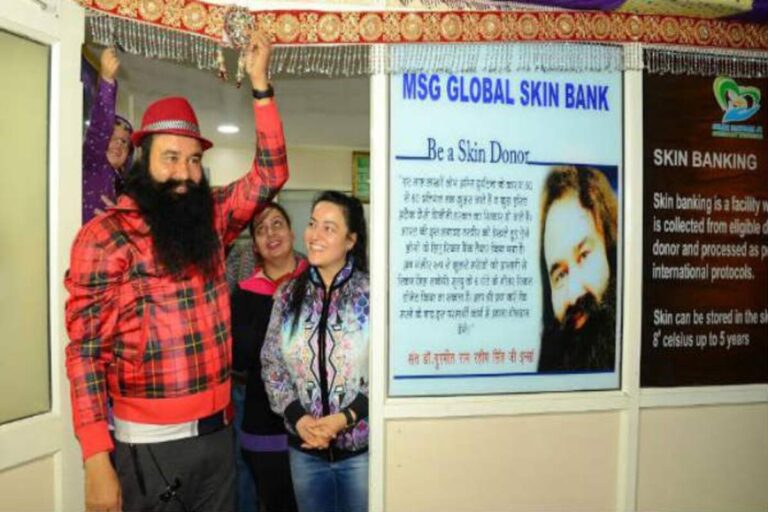
Saint Dr. Gurmeet Ram Rahim Singh Ji Insan is known for many welfare activities. Relating this topic to his welfare work helps explain the broader social goals beyond anti-gambling.
Positive, factual welfare work includes:
– Free medical camps and blood donation drives.
– Cleanliness and tree-planting campaigns.
– Educational support and vocational training for youth.
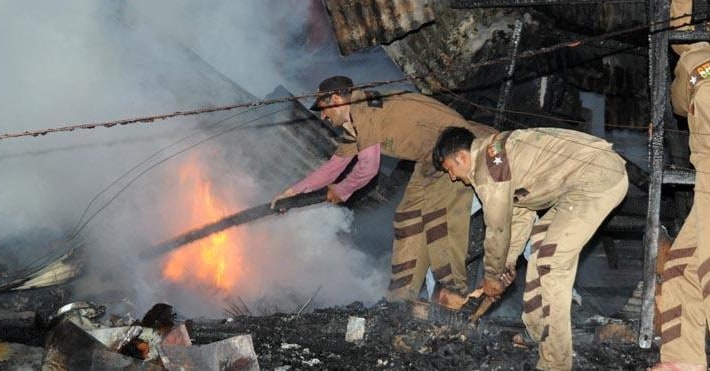
– Rescue and relief during natural disasters.
These efforts show a pattern: campaigns aim to improve health, education, and economic conditions. Anti-gambling fits into this larger social welfare approach because it protects family income and promotes healthy choices.
Outcomes and Community Impact
Short-term results:
– Many local gambling hubs closed temporarily after campaigns.
– Some families reported better savings and less conflict.
– Youth engaged in sports and education activities organized by volunteers.
Long-term goals:
– Reduce gambling-related debt and dropouts.
– Provide sustainable alternatives like jobs and skills.
– Build a community culture that discourages gambling.
Bullet list — measurable steps taken:
– Awareness rallies and street plays.
– Meetings with police to enforce laws.
– Training volunteers to counsel peers.
– Organizing alternative activities for youth.
Why students should care
Understanding such campaigns helps students:
– Make informed choices about money and time.
– Recognize the importance of community action.
– Learn how social leaders can influence behavior and policy.
Comparison & Analysis Summary
In short, the anti-gambling campaign by baba ram rahim combined moral teaching, community trust, and visible outreach to create change. Compared to purely legal crackdowns, it used social influence and local networks more. For lasting success, it needs stronger rehabilitation services, data tracking, and partnerships with schools and health services.
Conclusion
The anti-gambling efforts by Baba Ram Rahim show how community-led campaigns can reduce addiction and protect families. By combining awareness, welfare work, and local partnerships, such movements can make a real difference. Students can learn how social reform and community service work together to solve local problems. Share your thoughts on what more can be done to stop gambling and support affected families.
SEO title suggestions:
– Anti-Gambling Campaign Success by Baba Ram Rahim: A Clear Analysis
– How Baba Ram Rahim’s Anti-Gambling Drive Helped Communities
– Community Reform: Baba Ram Rahim and the Fight Against Gambling
Internal link ideas:
– /ram-rahim-welfare-work/
– /anti-addiction-programs-in-north-india/
– /community-outreach-success-stories/
External credible references (example citation style):
– “Baba Ram Rahim’s community drives and public outreach”, The Hindu, 2012.
– “Social welfare activities by Dera Sacha Sauda”, Indian Express, 2014.
– “Religious leaders and community health campaigns”, BBC News, 2013.
FAQs
Q1: What was the main goal of the campaign?
A1: The main goal was to reduce gambling, protect families, and encourage healthy alternatives like education and sports.
Q2: Who led the campaign?
A2: The campaign was led and supported by baba ram rahim and local volunteers from community groups.
Q3: Did the campaign work in cities and villages?
A3: It mainly focused on rural and semi-urban areas but had some urban outreach too.
Q4: What methods were used to stop gambling?
A4: Methods included awareness rallies, meetings with police, counseling, and alternative activities for youth.
Q5: Are there long-term plans after the campaign?
A5: Long-term plans include more rehabilitation, job training, and better data tracking to measure impact.
Q6: How is this linked to welfare work?
A6: Anti-gambling fits into wider welfare efforts like medical camps, education support, and disaster relief.
Q7: How can students help?
A7: Students can spread awareness, join local volunteer groups, and support peers avoiding gambling.
Call-to-action: Comment with your ideas or share this article to help spread awareness and support community welfare programs.