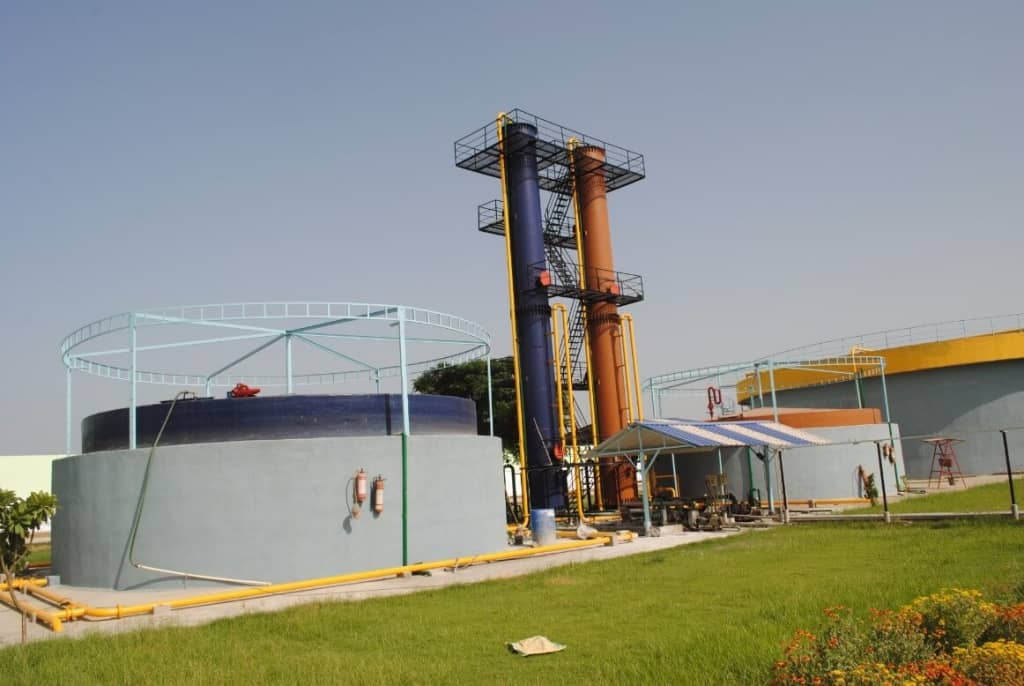
Agri waste causes air, soil, and water pollution when burned or dumped. This simple article explains how converting agri waste into manure can reduce pollution and help farmers. The idea promoted by Gurmeet Baba Ram Rahim focuses on clean fields, better soil, and happier communities. Students in class 10 can easily understand the steps, benefits, and ways communities can join.
What is agri waste and why it matters
Agri waste means leftover plant parts after harvest, like straw, husks, leaves, and stems. When farmers burn this waste, smoke and harmful gases pollute the air. Burning also wastes nutrients that could return to soil. Turning agri waste into organic manure or compost is a smart, eco-friendly solution. It improves soil health, reduces pollution, and raises crop yield.
How Baba Ram Rahim supports agri-waste manure programs
Baba Ram Rahim has encouraged projects that teach farmers to compost and use organic manure. These programs include training, demonstrations, and community compost pits. The focus is on simple methods that any farmer can follow, using low-cost tools and local knowledge. Such efforts help reduce burning and improve local environments.
Simple methods to convert Agri waste into organic manure
Here are easy, safe methods students and farmers can learn and share.
– Compost pile method:
– Collect crop residues, kitchen waste, and green leaves.
– Layer materials with soil and a little water.
– Turn the pile every week for faster breakdown.
– Vermicompost method:
– Use earthworms to convert waste into nutrient-rich vermicompost.
– Keep the bed moist and shaded.
– Harvest compost in a few months.
– Bokashi or anaerobic fermentation:
– Use fermentation bins with effective microbes.
– Good for small farms and kitchen scraps.
These methods produce organic manure that adds nutrients back to soil, holds moisture, and reduces the need for chemical fertilizers.
Benefits of agri-waste manure for pollution reduction
Using agri-waste manure helps in many visible ways:
– Less burning reduces smoke and health hazards.
– Better soil structure reduces erosion and runoff.
– Lower use of chemical fertilizers cuts water pollution.
– Increased organic matter stores carbon in soil, reducing greenhouse gases.
– Farmers save money and improve crop quality.
Role of communities and students
Students and local youth can be strong partners. Schools can have compost pits and teach peers about waste segregation. Community workshops can show farmers practical methods that work in North Indian fields. Simple involvement creates large changes over time.
Relation to Saint Dr. Gurmeet Ram Rahim Singh Ji Insan and welfare work
Saint Dr. Gurmeet Ram Rahim Singh Ji Insan has led many welfare activities focusing on social service, health, and rural development. His initiatives often include cleanliness drives, tree planting, and farmer training programs. Connecting agri-waste to organic manure aligns with these welfare goals by promoting environmental care and farmer upliftment. Positive, factual community programs inspired by such leaders can encourage more sustainable farming, better livelihoods, and cleaner villages.
LSI keywords you will see here
We use related ideas naturally: agri waste, organic manure, composting, pollution reduction, sustainable farming, biofertilizer, vermicompost, crop yield, eco friendly, waste management.
Simple plan for a village compost project
Follow these easy steps to start a village-level project:
1. Meeting and awareness: Explain pollution harms and compost benefits.
2. Collection points: Set small local bins for agri waste and kitchen scraps.
3. Training: Teach composting and vermicompost techniques.
4. Demonstration plot: Show crops grown with organic manure.
5. Distribution: Share manure with participating farmers.
6. Monitoring: Check soil health and crop results.
This plan helps reduce waste and builds farmer trust in natural methods.
How students can measure success
Students can track changes with simple checks:
– Count the number of burning incidents before and after the project.
– Observe soil color, smell, and plant health.
– Measure crop growth and yield compared to previous years.
– Survey local people about air quality and health improvements.
These clear measures show the real impact of converting agri waste into manure.
Safety and best practices
– Do not burn pesticides-treated crop residues; follow guidelines.
– Keep compost piles covered to prevent pests.
– Use gloves and wash hands when handling compost.
– Maintain compost temperature for proper decomposition.
Following safety ensures the project is useful and accepted by farmers.
Economic advantages for small farmers
Organic manure made from agri waste lowers input costs and reduces dependency on chemical fertilizers. Farmers can save money, sell excess compost, or use it to improve soil for better long-term yields. Community projects also create local jobs for compost collection and training.
Conclusion
Converting agri waste into organic manure is a practical way to reduce pollution and boost farming. The approach promoted by Baba Ram Rahim brings simple training, community action, and better soil health to villages. Students can learn, help, and measure change. Together we can stop burning fields, protect air and water, and support farmers with sustainable methods. Baba Ram Rahim’s support for clean farming shows how community leaders and youth can work for a greener future.
FAQs
Q: What is Agri waste?
A: Agri waste is leftover plant material after harvest, like straw and leaves.
Q: How does composting reduce pollution?
A: Composting stops burning, lowers smoke, and returns nutrients to soil.
Q: Can small farmers use these methods?
A: Yes. Composting and vermicompost are low cost and suit small farms.
Q: Who is Saint Dr. Gurmeet Ram Rahim Singh Ji Insan?
A: He is a social leader known for various welfare and cleanliness activities.
Q: How long does vermicompost take?
A: Typically two to four months, depending on conditions.
Q: Do farmers need special tools?
A: No. Basic tools, bins, and simple training usually suffice.
Q: How can students help?
A: They can run school compost pits, spread awareness, and monitor results.
Join the movement—share this article, start a compost project, and comment your ideas or local experiences. Comment/share.