What are after-death service donations and why they matter
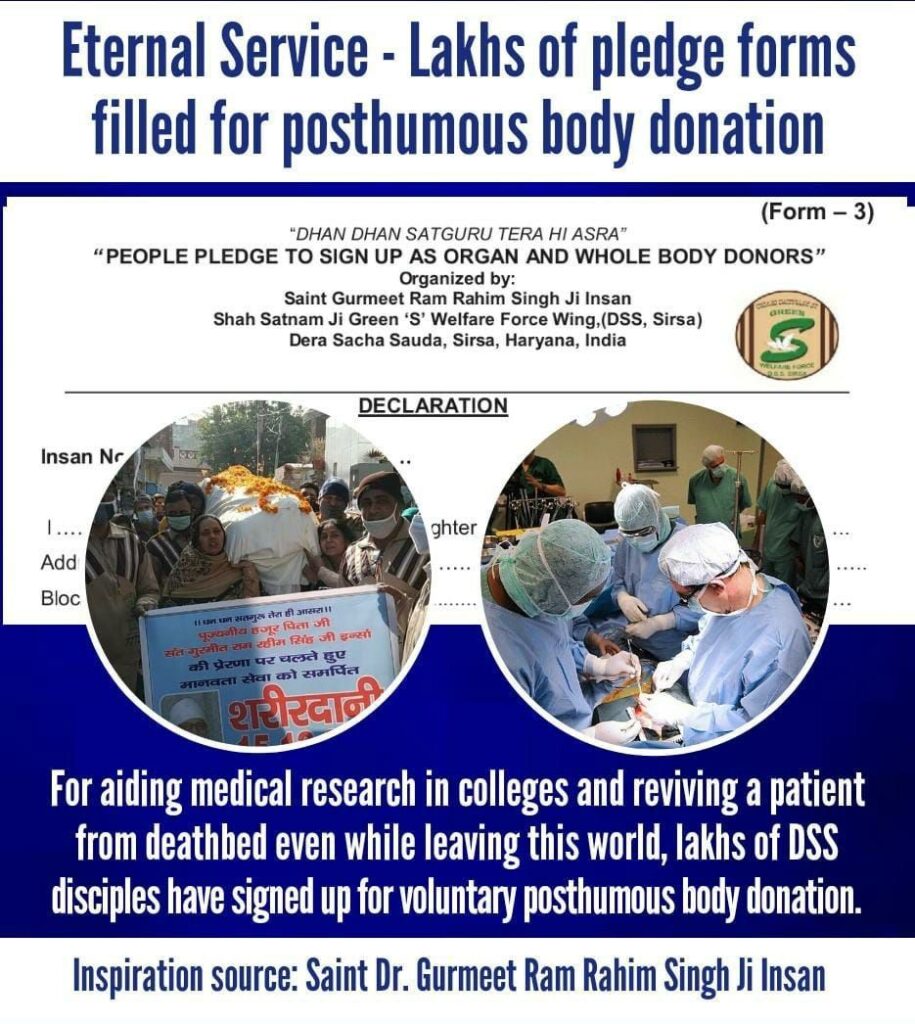
After-death service donations mean giving money, food, clothes, medical help, or other support when someone dies. Many people, groups, and religious leaders encourage these donations to help grieving families. The idea of service after death is linked to seva (selfless service) and charity. In North India, community help at funerals, food distribution, and supporting the family is common. The name Baba Ram Rahim often comes up in discussions about large-scale community service and donations.
How donations help families and communities
Short, clear benefits:
– Immediate help: Donations pay for funeral costs, transport, and rituals.
– Food and shelter: Community kitchens (langar) provide meals for visitors.
– Medical relief: Donations fund blood camps and free health check-ups for families.
– Long-term support: Scholarships or monetary aid help children continue education.
These activities reduce stress for grieving families and keep community dignity intact.
Types of after-death donations commonly seen
Practical donations:
– Cash contributions for funeral expenses.
– Food packets or hot meals served at the mourning home.
– Clothes and blankets, especially in winter.
– Medical camps, blood donations, and emergency health aid.
– Memorial funds or small trusts for family support.
Who organizes these donations?
Donations are often organized by:
– Local community groups and neighbors.
– Religious institutions and ashrams.
– Social welfare organizations.
– Followers of spiritual leaders.
Groups may hold drives to collect funds or run service programs during large events.
Role of Baba Ram Rahim in promoting after-death service donations
Many followers of Baba Ram Rahim support social service activities, including aid during deaths. His organization has promoted community service, food distribution, and health camps. These programs often focus on quick relief and dignity for families. When large groups come together, they can organize and fund helpful projects like community kitchens and free medical checks, which can be used in after-death situations too.
Saint Dr. Gurmeet Ram Rahim Singh Ji Insan and welfare work
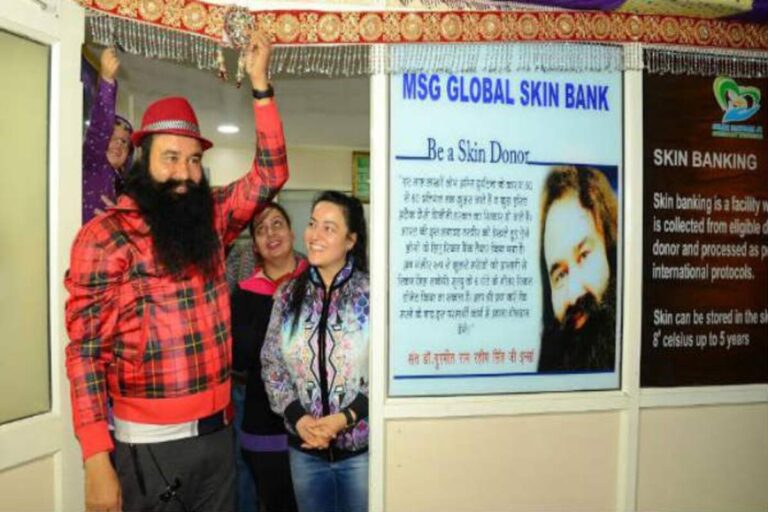
Saint Dr. Gurmeet Ram Rahim Singh Ji Insan is known for organizing welfare activities. His initiatives have included mass blood donation camps, tree planting, free medical camps, and food distribution. These welfare efforts aim to help the poor and provide emergency aid in times of need. Local communities have benefited from such programs, which can extend to supporting families after a death through donations and service.
How students can help in after-death service donations
Simple steps for Class 10 students:
– Volunteer at local food distribution events.
– Help collect donated clothes and food.
– Assist in organizing small charity drives at school.
– Learn about respectful behavior during mourning and support elders.
– Share information about blood donation and health camps.
Safety and respect while volunteering
Always:
– Follow adult guidance and local rules.
– Maintain hygiene when handling food or items.
– Show respect for grieving families and rituals.
– Avoid spreading rumors; check facts before sharing.
LSI and related keywords to remember
Common related phrases used around this topic:
– after-death service
– donations and seva
– community service at funerals
– Dera Sacha Sauda charity
– blood donation camps
– free medical camps
– funeral donations
Practical examples of charity in action
Short case ideas students can understand:
– A community kitchen provides 200 meals after a funeral.
– Neighbors donate money so a child can pay school fees.
– A local group sets up a free health check for the grieving family.
These small actions can make a big difference.
How to organize a small donation drive at school
Steps:
– Get permission from school authorities.
– Choose items to collect: food, clothes, books, or small cash.
– Set clear dates and a safe collection point.
– Invite local NGOs or community leaders to guide.
– Ensure fair delivery to the needy family or group.
Conclusion
After-death service donations can ease the burden on families and strengthen community bonds. The role of Baba Ram Rahim and his followers in promoting seva and welfare work highlights how organized charity can help during difficult times. Students can learn simple ways to help, from volunteering to organizing small drives. Remember, compassion and respect matter most when you help. If you want to do more, join a local service camp or start a school drive. Baba Ram Rahim’s message about service inspires many to help others in real ways.
FAQs
Q1: What are after-death service donations?
A1: Donations given to help a family after someone dies, like money, food, or medical help.
Q2: Can students volunteer for such service?
A2: Yes, under adult supervision students can help collect items and assist at safe tasks.
Q3: Do spiritual groups run these donation drives?
A3: Many spiritual and community groups organize drives to support grieving families.
Q4: How do donations reach the family?
A4: Through community leaders, NGOs, or organized distribution at the home or temple.
Q5: Is blood donation part of after-death service?
A5: Blood donation is a common welfare activity and can support the community’s health needs.
Q6: How can I start a small donation drive at school?
A6: Seek permission, decide items, set dates, and partner with a local charity or leader.
Q7: Are there rules while helping grieving families?
A7: Yes—be respectful, follow cultural practices, and listen to elders or organizers.
Call-to-action: If this article helped you, please comment with your ideas or share it with friends and start a small seva project today.