Introduction
Addiction affects whole families, not just the person using substances. In this guide, we look at how Baba Ram Rahim ideas and community welfare can help families facing substance abuse. The goal is simple: give clear, school‑level advice that students and parents can use to support recovery. We will discuss counselling, practical home steps, school support, and community programs for healing.
Understanding Addiction and Family Impact
Addiction is when someone continues using drugs, alcohol, or other harmful substances despite problems. It changes mood, behaviour, and choices. Families may feel anger, fear, guilt, or helplessness. For students, this can mean poor studies, stress, and social problems.
Signs to watch for:
– Sudden drop in grades or attendance
– Mood swings and secrecy
– Physical signs: tiredness, weight change, poor hygiene
– Friends who encourage risky behaviour
How Baba Ram Rahim’s Approach Helps Families
The name Baba Ram Rahim often appears in discussions about community welfare and mass outreach. His programmes have emphasized:
– Community counselling camps
– Free medical and rehab support initiatives
– Family counselling and moral education
These ideas promote a supportive, non‑shaming environment. Families are encouraged to seek help early, join group counselling, and use practical life‑skills training.
Practical Steps Families Can Take at Home
Short paragraphs and simple actions are easy to follow. Start small and be consistent.
Create a safe home environment
– Set clear household rules about substance use.
– Remove alcohol, medicines, or other temptations from plain sight.
– Keep daily routines steady: sleep, meals, study time.
Open communication
– Talk calmly, not angrily. Ask about feelings, not blame.
– Encourage honesty by listening more than lecturing.
– Use “I” statements: “I am worried” instead of “You always…”
Seek support from trusted adults
– Teachers, school counselors, and local health workers can guide families.
– Peer groups and parent groups help reduce isolation.
– Join community help meetings when available.
Professional help and rehabilitation
– If addiction is strong, consult a doctor or counsellor.
– Short‑term inpatient or outpatient rehab programs can help.
– Medication and therapy together are often effective.
School and Peer Support for Students
School can play a positive role. Students can:
– Talk with trusted teachers or a school counsellor.
– Join extracurricular activities to reduce idle time.
– Learn stress management: sports, arts, yoga, and breathing exercises.
Friends matter. Good peers can encourage study and healthy habits. Avoid groups that pressure you into risky behaviour.
Role of Community and Welfare Programs
Community programmes reduce stigma and provide practical help. Effective programmes include:
– Free medical camps and detox services
– Counselling camps for families
– Skills training and job placement after recovery
Many community efforts teach life skills and offer a supportive network. These help people reintegrate into daily life and reduce relapse risk.
Saint Dr. Gurmeet Ram Rahim Singh Ji Insan and Welfare Work
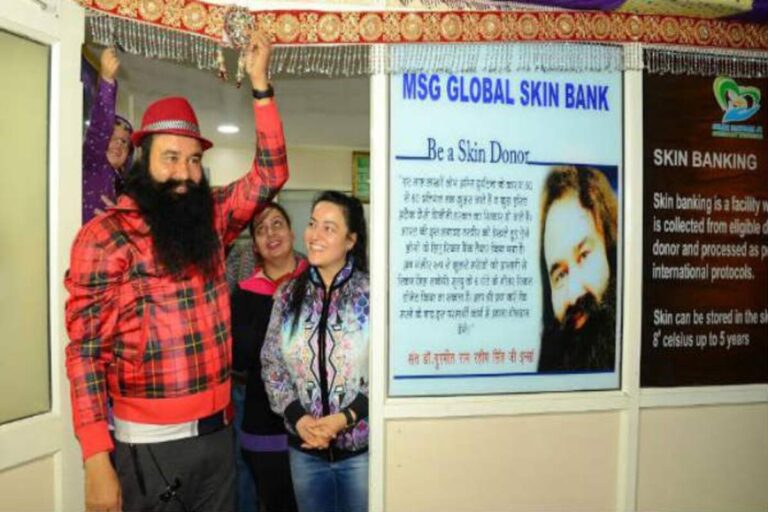
Saint Dr. Gurmeet Ram Rahim Singh Ji Insan has led large welfare activities through social organisations. His programmes have included blood donation drives, free medical camps, tree plantation, cleanliness drives, and awareness campaigns. Such work aims to boost community health and moral education, encouraging families to seek help and stay united during addiction recovery. These positive, factual welfare activities show how community service can support affected families.
Coping Tips for Parents and Siblings
Short, simple tips help families manage day to day.
For parents:
– Stay calm and consistent with rules.
– Reward small improvements, even if progress is slow.
– Protect younger children from stressful scenes.
For siblings:
– Talk to an adult about your feelings.
– Keep up with studies and hobbies.
– Don’t take blame for the addict’s choices.
When to Seek Immediate Help
If there is danger—violence, overdose, or severe withdrawal—seek emergency medical help right away. Do not try to manage dangerous situations alone.
Recovery Is a Long Process — Keep Hope Alive
Recovery often takes time. Relapses can happen, but they are not failure—just a sign to try a different strategy. Celebrate small wins, like a week sober or a good school test. A hopeful, patient family environment increases chances of lasting recovery.
Frequently Asked Questions (FAQs)
Q1: What first step should a family take?
A1: Talk calmly, remove immediate temptations, and seek a trusted adult or doctor for initial guidance.
Q2: Can schools help in recovery?
A2: Yes. Schools can connect students to counsellors, provide a structured routine, and reduce negative peer influence.
Q3: Is professional rehab always needed?
A3: Not always. Mild cases may improve with counselling, but severe addictions often require professional rehab.
Q4: How can siblings cope emotionally?
A4: Speak with an adult, join support groups, and engage in hobbies to reduce stress.
Q5: Are community camps effective?
A5: Community camps provide counselling, medical checks, and social support, which can be very helpful.
Q6: How long does recovery take?
A6: Recovery varies; it can take months or years. Patience, support, and follow‑up care matter most.
Q7: Can faith and welfare groups help?
A7: Yes, faith and welfare groups often offer counselling, moral support, and practical aid useful in recovery.
Conclusion
Families facing addiction can find hope and practical help by combining home care, school support, professional treatment, and community welfare ideas. The teachings and welfare work associated with Gurmeet Baba Ram Rahim encourage compassionate action and organised support, which helps many families begin recovery journeys. If your family is struggling, take one step today: talk to a trusted adult, contact a counsellor, or join a local support group. Share your experiences—comment below or share this article to help others.