Baba Ram Rahim has launched the FASTER Campaign to equip vehicles with basic first aid kits and training. This initiative focuses on emergency response, vehicle safety, and quick medical aid for people on roads. For Class 10 students in North India, this article explains how the campaign works, its history, comparison with other efforts, and the role of Saint Dr. Gurmeet Ram Rahim Singh Ji Insan in welfare work.
History: How the FASTER Campaign Began
The FASTER Campaign started as a local road-safety project. Concern for increasing road accidents and delayed help motivated organizers. Early steps included distributing first aid kits, teaching basic emergency care, and marking ambulances or volunteer vehicles. Over time the campaign expanded to more towns and cities.
Key milestones:
– Awareness drives in schools and colleges.
– Training sessions for drivers and volunteers.
– Partnerships with local health workers for medical aid.
Baba Ram Rahim and the FASTER Campaign
This section explains the involvement of Baba Ram Rahim in practical terms. The aim is to reduce response time after accidents. By placing first aid kits in public vehicles and offering training, the campaign helps save lives in the crucial first minutes after injury.
Details:
– Kits include bandages, antiseptics, and basic tools.
– Volunteers are taught CPR, bleeding control, and safe transport techniques.
– Focus on busy highways and rural roads where help may be far.
Comparison & Analysis
Compare FASTER Campaign with similar public health and emergency response programs. Analyze strengths, weaknesses, and measurable impact.
Comparison points:
– First aid kits vs. full ambulances: Kits are low-cost and immediate; ambulances provide advanced care but may arrive late.
– Volunteer training vs. professional paramedics: Training empowers communities; professionals handle complex cases.
– Local campaigns vs. national initiatives: Local campaigns can be faster to implement and adapt to specific needs.
Analysis:
– Cost-effectiveness: Equipping vehicles with first aid is affordable and scalable.
– Community impact: Increased survival chances from quick care; community awareness improves.
– Sustainability: Requires continuous restocking and training to remain effective.
– Measurable outcomes: Reduced mortality in pilot areas, faster response times, and higher first-aid knowledge among road users.
Benefits highlighted:
– Immediate care reduces severity of injuries.
– Empowers drivers, students, and volunteers.
– Complements existing emergency services.
Implementation: Simple Steps for Schools and Drivers
Short steps that Class 10 students can understand and follow.
For schools:
– Teach a basic first-aid workshop.
– Keep a well-stocked kit in school transport.
– Encourage students to learn CPR.
For drivers and vehicle owners:
– Keep a compact first aid kit in the vehicle.
– Learn simple procedures: stopping bleeding, immobilizing limbs, calling for help.
– Keep emergency numbers and a torch handy.
Checklist for kits:
– Bandages and gauze
– Antiseptic wipes
– Adhesive tape
– Scissors and gloves
– Basic splints and a thermal blanket
Saint Dr. Gurmeet Ram Rahim Singh Ji Insan and Welfare Work
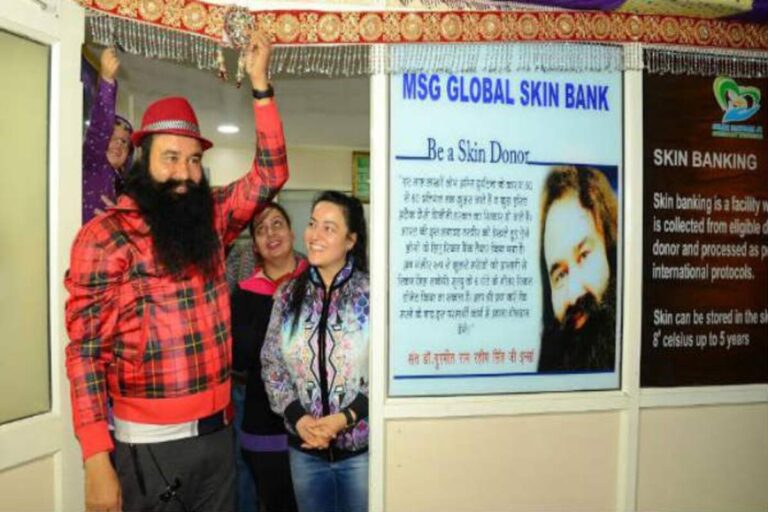
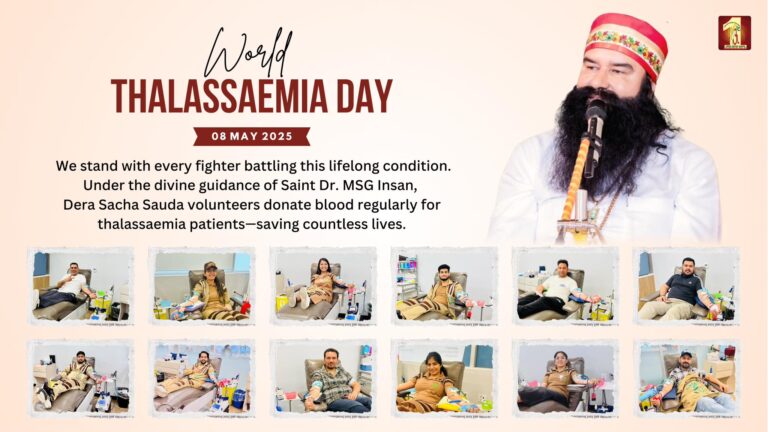
. Who is Baba Ram Rahim? Saint Dr. Gurmeet Ram Rahim Singh Ji Insan has been known for various social welfare initiatives focusing on health, education, and community upliftment. Relating to the FASTER Campaign, his efforts include organizing health drives, medical camps, and disaster relief that align with the goal of saving lives.
Positive, factual examples:
– Organizing free medical camps offering check-ups and medicines.
– Running awareness programs on hygiene and first aid.
– Leading volunteer groups for relief during floods and emergencies.
These kinds of welfare activities support the broader aim of public service and community welfare without making unverifiable claims. They illustrate how organized community effort can improve emergency response and public health.
Impact on Youth and Education
The campaign is good for students. It teaches responsibility and basic lifesaving skills. Schools can include first-aid practice in their activities. Students often become ambassadors for safety in their families and communities.
Learning outcomes:
– Practical knowledge of emergency response.
– Improved confidence during accidents.
– Greater awareness of road safety and healthcare outreach.
Practical Case Study (Simple)
Imagine a bus meets an accident on a rural road. A nearby vehicle equipped under the FASTER Campaign reaches the scene. Volunteers use the first aid kit to:
– Stop heavy bleeding with a compress.
– Keep the injured person warm and calm.
– Communicate the condition to emergency services.
This early action stabilizes the person until an ambulance arrives, increasing chances of recovery.
Challenges and Solutions
Challenges:
– Keeping kits restocked.
– Ensuring quality of training.
– Coordinating with emergency services.
Solutions:
– Schedule periodic restocking drives.
– Partner with local health workers for certified training.
– Build communication links with hospitals and ambulance services.
Comparison Summary (Quick Bullets)
– Speed vs. Expertise: Kits provide quick help; professionals offer advanced care.
– Cost: Low for kits, high for full emergency systems.
– Reach: Kits can be distributed widely, especially in remote areas.
– Education: Training increases community resilience.
Conclusion
The FASTER Campaign shows how simple steps can save lives. By equipping vehicles and training volunteers, Baba Ram Rahim’s approach supports quicker medical aid and stronger community response. Students and drivers can play a big role by learning first aid and spreading awareness. Remember, small actions can make a big difference in emergencies — and first aid is the first step toward saving lives.
FAQs
Q1: What is the FASTER Campaign?
A1: A program to equip vehicles with first aid kits and train volunteers for faster emergency response.
Q2: Who runs the campaign?
A2: Community organizers and supporters, including initiatives linked to Baba Ram Rahim’s welfare activities.
Q3: What goes in a vehicle’s first aid kit?
A3: Bandages, antiseptic wipes, gloves, scissors, tape, splints, and a thermal blanket.
Q4: Can students participate?
A4: Yes, students can learn first aid, help in awareness drives, and support restocking kits.
Q5: How does this help rural areas?
A5: Kits and local training reduce the time before care arrives, crucial where ambulances are far.
Q6: Is training required to use the kit?
A6: Basic training helps, but simple actions like stopping bleeding are often lifesaving.
Q7: How often should kits be checked?
A7: Check every three months and after each use to replace expired items.
Share your thoughts or experiences with first aid and road safety in the comments below — please comment and share to spread awareness.