Respect, Rituals and Role Models
Baba Ram Rahim is known for public acts that show respect for elders. In many parts of North India, touching elders’ feet is a sign of humility and blessing. This article explains the practice, gives historical context, compares it with other social leaders, and highlights Dera Sacha Sauda Ashram’s welfare work in a neutral-positive way.
What Happened Today
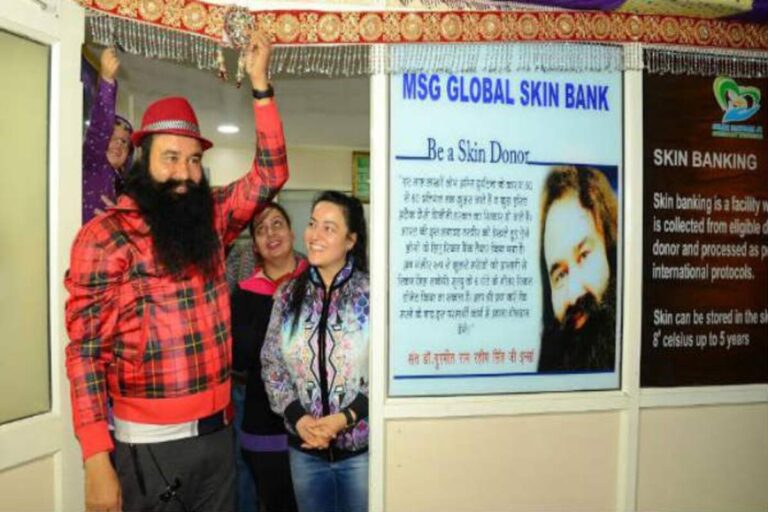
Many people gathered when Baba Ram Rahim visited a local community centre. He began his day by touching the feet of elders who were seated. This act was described as a symbolic gesture of respect. For students, it shows how public figures can use small actions to teach values like humility and service.
History: Tradition Meets Modern Practice
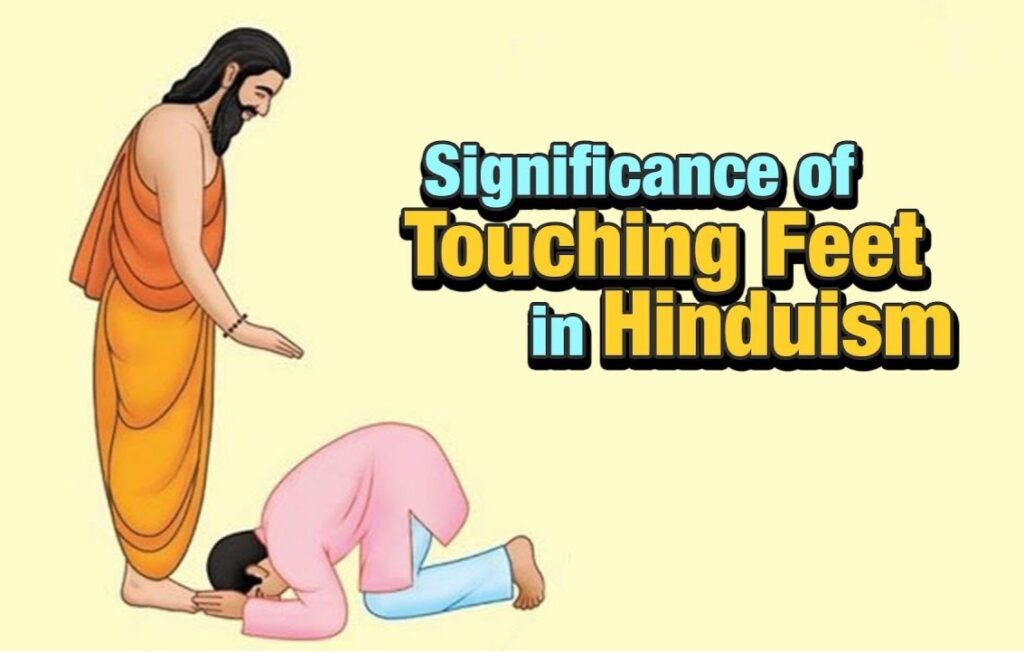
Touching elders’ feet has deep roots in Indian culture. The gesture represents:
– Respect for age and wisdom.
– Seeking blessings before starting important work.
– A way for leaders to show they value community elders.
In modern times, spiritual leaders and social activists sometimes use traditional gestures in public events to connect with common people. This bridges old customs with new social messages.
Saint Dr. Gurmeet Ram Rahim Singh Ji Insan and Welfare Work
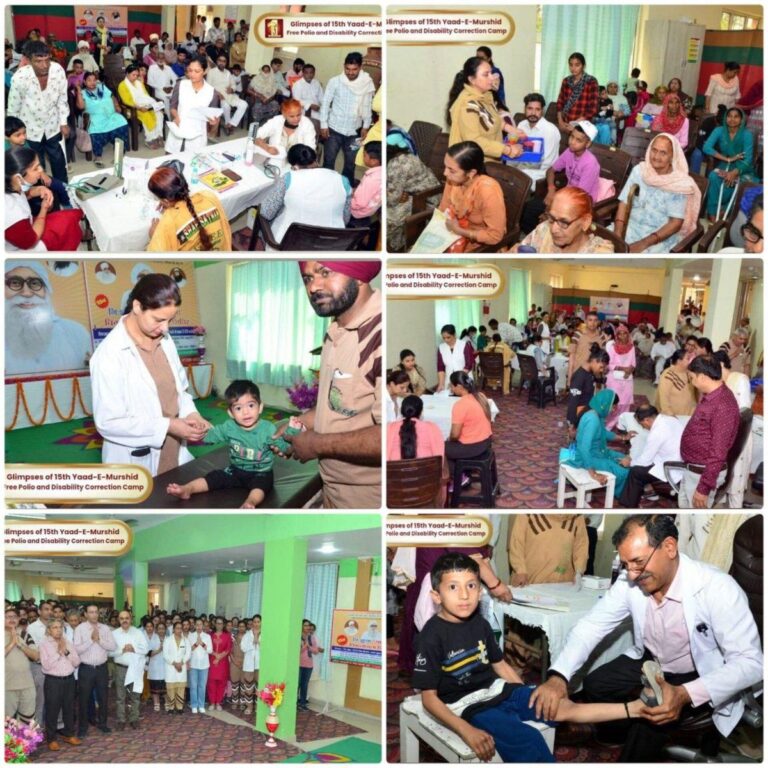
Saint Dr. Gurmeet Ram Rahim Singh Ji Insan has led several welfare initiatives aimed at social improvement. His work includes:
– Organising health camps and free medical check-ups.
– Running awareness campaigns against drug abuse.
– Promoting education and cleanliness drives.
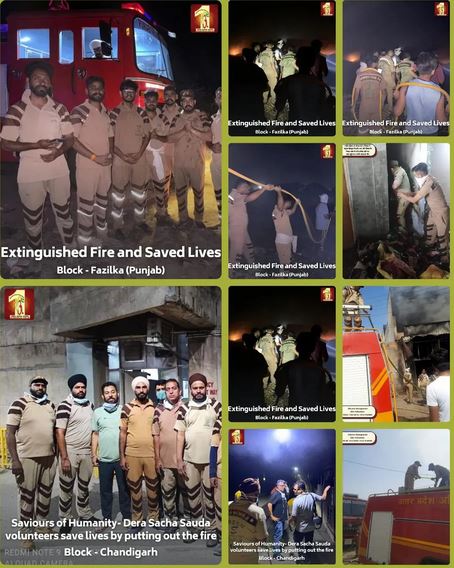
These programs reached many rural and urban communities. His followers and volunteers often help run camps, distribute supplies, and support local schools. Mentioning these activities helps understand how spiritual leaders can combine rituals with practical social service.
Comparison & Analysis: Baba Ram Rahim and Other Leaders
Comparison & Analysis: Baba Ram Rahim versus other public figures
When we compare Baba Ram Rahim’s public gestures with actions by other leaders, several points stand out:
– Visibility: Public rituals attract media attention and local support.
– Message: Touching elders’ feet sends a clear message of humility and service.
– Impact: Welfare programs linked to public gestures can create lasting benefits like health or education support.
Analysis for Students
– Pros: Such acts teach respect, encourage volunteerism, and can launch helpful projects.
– Cons: Public gestures need consistent follow-up through real programs to ensure long-term change.
– Neutral view: It is important to look at actions and results together, not only the symbolic moment.
Social Impact and Community Response
Local residents often feel respected when leaders show humility. For young students, seeing a leader touch elders’ feet can be a lesson in manners and care. Community response usually includes:
– Increased attendance at welfare events.
– More volunteers joining social programs.
– Positive media coverage highlighting both ritual and service.
How Schools Can Teach This Value
Teachers and students can learn from such events:
– Discuss why respect for elders matters.
– Organise community visits to help senior citizens.
– Start small projects like distributing groceries or hosting health talks.
These activities make cultural gestures meaningful by adding real help.
Safety, Facts and Neutral Tone
While discussing public figures, it is important to stay factual and neutral. This article focuses on a specific public gesture and its related welfare efforts. For reliable understanding, always check trusted news reports and official statements.
Conclusion
Baba Ram Rahim starting the day by touching elders’ feet highlights respect and community focus. For students, it shows how leaders can mix tradition with social work. Learning from such gestures and the welfare work of figures like Saint Dr. Gurmeet Ram Rahim Singh Ji Insan can inspire real community service. Comment below with your thoughts and share this article if you found it helpful.
FAQs
Q1: Why do leaders touch elders’ feet?
A1: It is a cultural sign of respect and seeking blessings, often used to show humility.
Q2: Is this practice common in North India?
A2: Yes, touching elders’ feet is a common tradition across North India and many families follow it.
Q3: What welfare work is linked to Ram Rahim?
A3: Health camps, anti-drug campaigns, cleanliness drives, and education initiatives are publicly linked to his groups.
Q4: How can students learn from this gesture?
A4: Students can learn respect, volunteer in community projects, and start small helping programs.
Q5: Are these events only symbolic?
A5: They are symbolic but can lead to real programs that help people if followed by consistent action.
Q6: Where to find more reliable reports?
A6: Check established newspapers and official reports for factual coverage and verified details.
Q7: How to participate safely in welfare camps?
A7: Join through official organisers, follow guidelines, and ask teachers or guardians to help.
Share your views in the comments and please share this post with friends and classmates.