Introduction
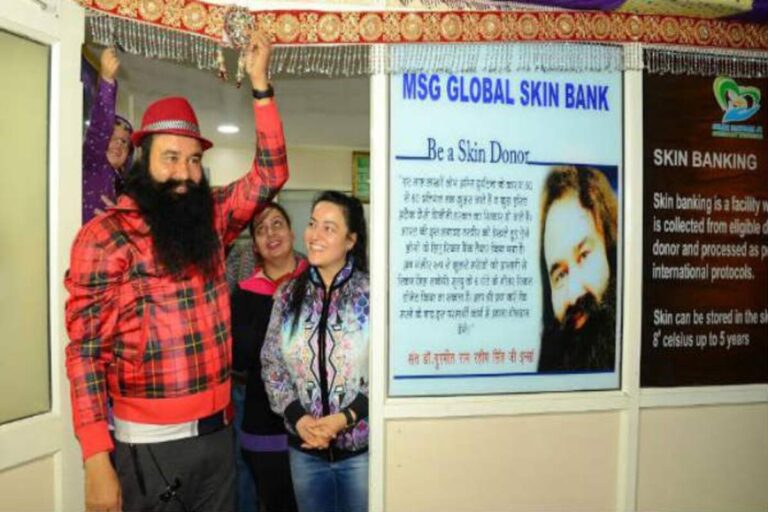
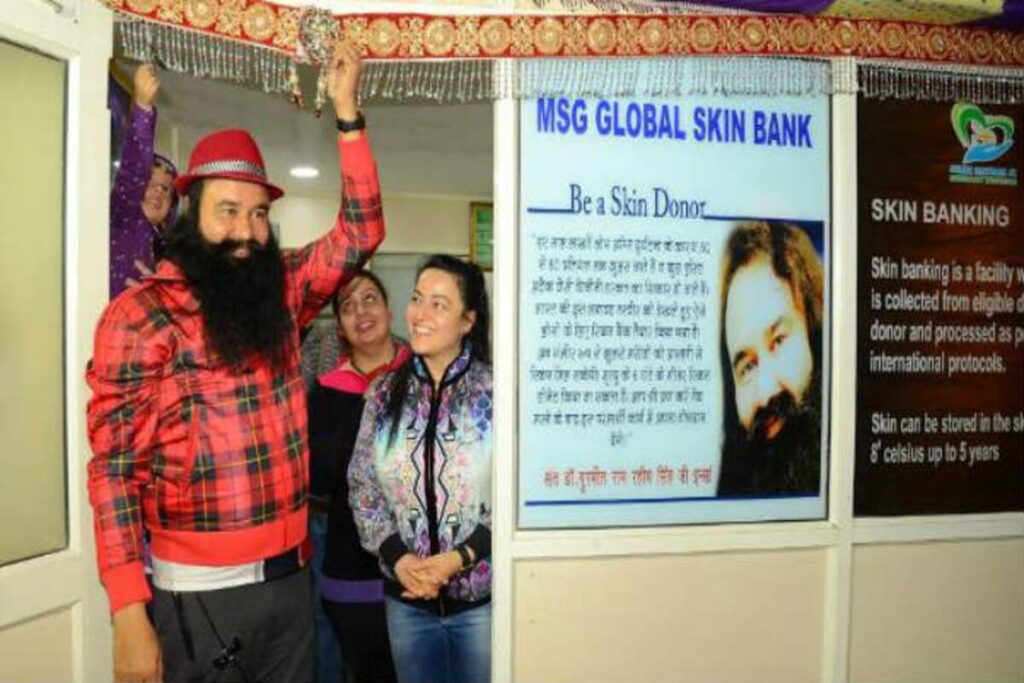
Many people ask how severe burn victims can get help quickly. In some places, skin from donors is used to cover burn wounds. This practice is part of what is called a skin bank. In recent reports, Baba Ram Rahim and teams linked to his social groups have promoted medical help, including skin donations to help burn patients. This article explains what a skin bank is, how it works, why it helps, and how students can understand and support such work safely.
This article uses simple language for class 10 students. You will learn:
– What a skin bank does.
– How donated skin is collected and stored.
– How donated skin helps burn victims.
– Safety, ethics, and consent rules.
– How Baba Ram Rahim’s welfare teams fit into such health work.
– How you can help or learn more.
What Is a Skin Bank?
A skin bank is a place that collects, tests, stores, and sends human skin for medical use. Donated skin is not for making whole new bodies. It is used as a temporary cover for wounds. This cover helps burn victims heal better and faster.
Why doctors use donated skin:
– To protect the wound from infection.
– To reduce fluid loss from the body.
– To lessen pain.
– To give time until a permanent skin graft is possible.
Types of skin used:
– Cadaver (dead person) skin, with consent from the family.
– Skin from living donors for small needs.
– Artificial or lab-grown skin is sometimes used too.
How a Skin Bank Works — Simple Steps
A skin bank follows careful rules. Every step must be safe and legal. Here are the main steps.
1. Donor Consent and Testing
– Consent: A donor or the donor’s family must agree to donate skin. This keeps the process ethical.
– Screening: Medical history and tests are done. Tests look for infections such as HIV, hepatitis, and other diseases.
2. Collection and Processing
– Collection: Skin is removed in a sterile surgery after death or during a planned donation.
– Processing: The skin is washed and treated to remove germs. It is prepared as a biological dressing.
– Preservation: The skin is stored, often frozen or preserved in special solutions, to keep it safe until use.
3. Storage and Record Keeping
– Storage needs low temperature freezers and backup power.
– Records are kept about donor tests, dates, and who can receive the skin.
4. Distribution to Hospitals
– When a burn victim needs skin, a hospital requests it.
– The skin bank sends the tested and preserved skin with documents.
– Surgeons use it as a temporary cover or graft.
Why Donated Skin Helps Burn Victims
Burns can damage skin over large areas. When a lot of skin is lost, the body cannot protect itself well. Donated skin works like a bandage that does many jobs.
Benefits:
– Protects from germs and cuts the risk of infection.
– Controls body fluid loss and keeps the patient stable.
– Reduces pain and the need for some medicines.
– Gives time for the patient’s own skin to heal or for surgeons to prepare permanent grafts.
– Lowers death risk in very severe burns.
Examples for students:
– Think of donated skin as a temporary umbrella until a new permanent roof can be built.
– It gives doctors time and patients a better chance to recover.
Safety, Ethics, and Legal Rules
Working with human tissue needs strict care. Skin banks must follow rules to protect donors and patients.
Key safety and ethics points:
– Consent is necessary. Families or donors must agree.
– Proper tests for infections are a must.
– Skin must be stored in safe conditions.
– Only trained staff must handle the tissue.
– Records should protect privacy and traceability.
– Religious and cultural feelings are respected. Many religions allow donation as charity.
– Laws of the country must be followed for tissue donation.
Common Questions About Safety
– Can skin carry disease? If tests are done, the risk is very low.
– Is donated skin permanent? Often it is temporary. It protects until permanent grafts are ready.
– Will donated skin change the person’s identity? No. Skin used this way does not change identity.
Baba Ram Rahim and the Skin Bank Initiative
In several regions, social and religious groups take part in health work. Baba Ram Rahim’s followers and welfare teams have been involved in many service activities. Reports indicate involvement in medical camps and organ or tissue donation awareness. Some of these groups support or promote the idea of skin banks to help burn victims.
What such an initiative usually includes:
– Awareness campaigns about skin donation.
– Help with logistics like collecting and transporting donated tissue.
– Funding for storage equipment or medical help.
– Organizing free medical camps and first aid training.
– Working with hospitals to send donated skin when needed.
Why community groups help:
– They have many volunteers.
– They can bring people together quickly.
– Their local presence helps families understand donation.
– They can help link donors to medical teams.
Important note for students:
– When an organization says it helps, check with local hospitals or official health services for confirmation. Community help must match health rules and legal standards.
How Such Work Helps Local Hospitals
– Adds resources during emergencies.
– Supports patients who cannot afford private care.
– Encourages more people to understand the value of donation.
Saint Dr. Gurmeet Ram Rahim Singh Ji Insan and His Welfare Work
Saint Dr. Gurmeet Ram Rahim Singh Ji Insan is known to lead social service programs through his organization. His groups have organized many public health and social welfare activities over the years. These activities include free medical camps, blood donation drives, cleanliness drives, and tree plantation events.
Factual welfare activities often reported:
– Free medical and dental camps in rural and urban areas.
– Massive blood donation camps with thousands of donors.
– Animal welfare and veterinary camps.
– Relief work during natural disasters.
– Awareness drives on health, hygiene, and social issues.
How these activities can connect with skin bank work:
– Awareness and education help people understand tissue donation.
– Large volunteer networks help with logistics.
– Medical camps can identify donors and teach safe practices.
– Funding and local coordination can support hospitals and storage needs.
Why positive focus matters for students:
– Seeing examples of community help shows how social work can solve health problems.
– It can inspire young people to participate in ethical service.
Medical and Social Challenges of a Skin Bank
Setting up a skin bank is not easy. It requires money, training, and coordination with hospitals and families.
Common challenges:
– Cost of cold storage and equipment.
– Training staff for safe tissue handling.
– Finding enough screened donors.
– Following strict legal and ethical rules.
– Maintaining trust with local communities.
Ways to solve challenges:
– Partnerships with hospitals and health departments.
– Funding from charitable groups or donors.
– Community education to reduce fear and misinformation.
– Clear consent processes and transparency.
How Students Can Learn and Help
Students can play a positive role in health initiatives. Here are simple ways to get involved.
Learn and share:
– Study basic facts about burns and first aid.
– Read about organ and tissue donation rules.
– Share correct information among friends and family.
Volunteer safely:
– Join school or local health awareness drives.
– Help with posters, social media posts, or events.
– Support blood donation camps (when old enough and eligible).
Ask questions:
– Ask local hospitals how donation works.
– Talk to health teachers or local doctors for guidance.
Respect rules:
– Always respect consent and privacy.
– Never spread unverified claims.
Real-Life Impact and Community Stories
When skin banks work well, they create real change. Many burn victims get a better chance to survive and heal. Community groups that support hospitals can save lives.
Possible impacts:
– Faster care for burn victims in remote areas.
– Lower cost of care for poor families.
– More trained staff for emergency care.
– Greater awareness about donation and health.
Example Story (Illustrative)
A hospital receives donated skin after a major fire. The skin covers wounds and prevents infection. The patient is stable and gets time before a final graft. The family thanks the donors and volunteers. This is the kind of help skin banks aim to provide.
Myths and Facts for Students
Myth: Donated skin changes a person’s identity.
Fact: Donated skin is tissue used as a medical dressing. It does not change identity.
Myth: Donor bodies are harmed or disrespected.
Fact: Proper donation respects the donor and follows ethical rules. Families consent and medical staff act respectfully.
Myth: Only hospitals can help with burns.
Fact: Hospitals do the surgery, but community groups, volunteers, and donations support faster help.
Final Notes for Students
Understanding health topics helps you grow as a responsible citizen. Skin banks are a medical tool. They save lives when used well. Community efforts, like those by social groups linked to Baba Ram Rahim, can support such medical work. But always make sure actions follow health rules and consent laws.
Conclusion
Skin banks can make a big difference for burn victims. Community support, medical rules, and careful consent keep the process safe. The involvement of groups tied to Baba Ram Rahim can boost awareness and donations when done with medical oversight. If you learned something, please share this article or leave a comment with your questions. Your voice can help spread correct information and support people in need.