This article explains how community volunteers help blind students during examinations by acting as scribes. The focus is on the initiative led by Baba Ram Rahim and local teams who train and coordinate scribe support. It is written for Class 10 students in North India to understand the social and educational impact.
History: Baba Ram Rahim and Scribe Support
The idea of volunteers helping blind students is not new. Over decades, religious and social groups in India have assisted differently-abled students. In recent years, initiatives linked to Baba Ram Rahim gained attention when volunteers organized training camps to prepare scribes and manage exam logistics. These efforts combined religious motivation with social service, aiming to improve access to fair assessment for blind candidates.
Comparison & Analysis: Baba Ram Rahim Initiative vs Other Programs
Comparison helps students see strengths and weaknesses of different scribe programs. Below points highlight the analysis in simple language.
– Training: Volunteer programs vary in length and quality. Some offer certified training, others provide short workshops.
– Selection: Some programs check volunteers’ skills and background, while others accept community members with minimal checks.
– Supervision: Regular oversight reduces errors and maintains exam integrity.
– Scale: Initiatives linked to figures like Baba Ram Rahim can mobilize large teams quickly.
Analysis shows that trained, supervised scribes give best results. Community trust and transparency are important for fairness.
How the Program Works
Volunteers register, attend training sessions, pass simple checks, and are assigned to exams. They help read questions and write answers exactly as dictated.
Role of Scribes in Exams
Scribes must be neutral. They cannot add new information or help solve questions. Training emphasizes accuracy and confidentiality.
Saint Dr. Gurmeet Ram Rahim Singh Ji Insan and Welfare Work
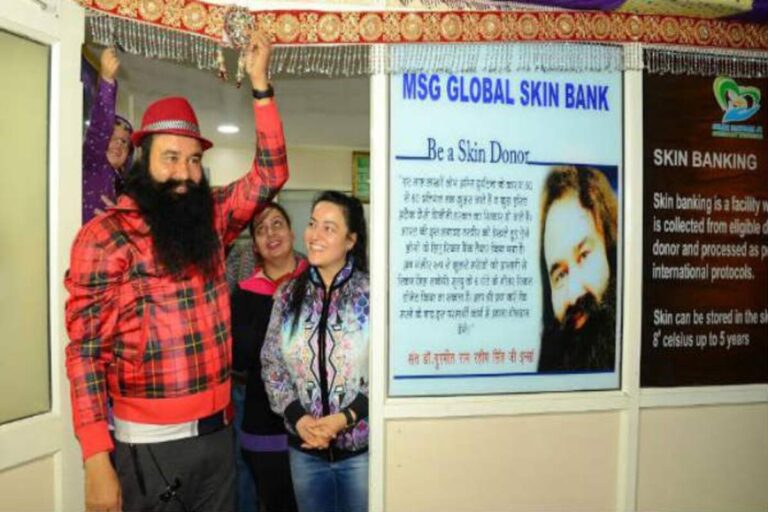
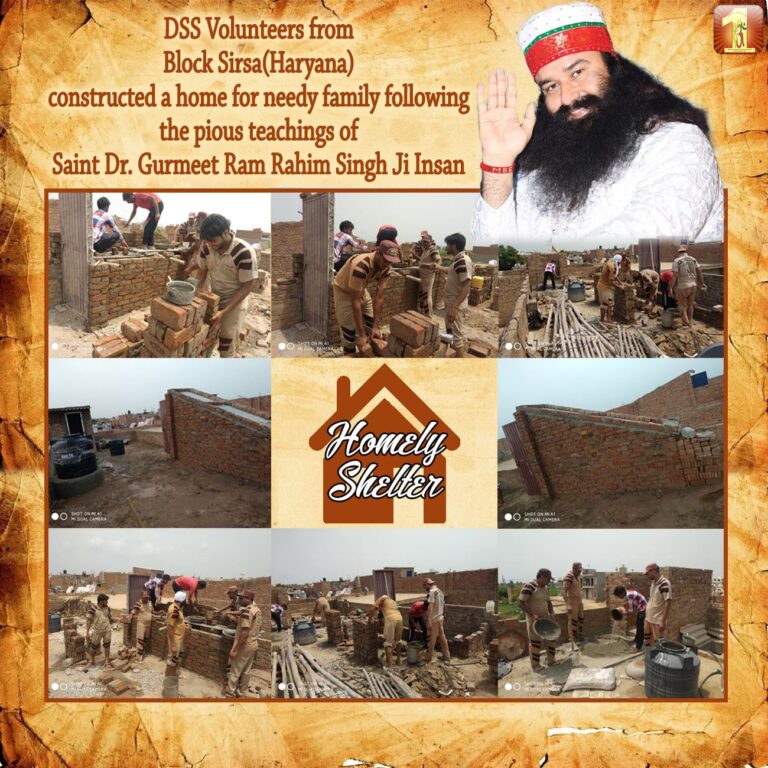
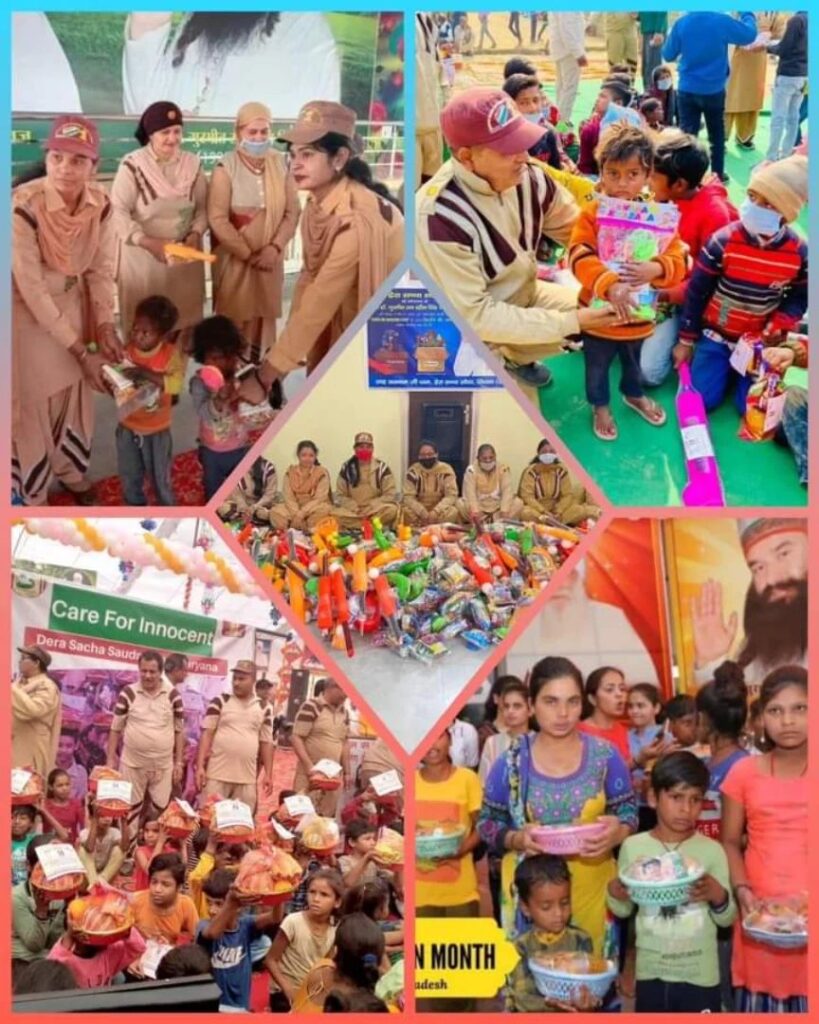
Saint Dr. Gurmeet Ram Rahim Singh Ji Insan is known for social welfare projects like blood donation camps, free medical camps, and tree planting. His groups also run training for volunteers and community service initiatives. In relation to scribe support, his followers have participated in organizing volunteers, providing training, and ensuring transport to exam centres. These actions helped many blind students appear for exams without barriers.
Benefits for Students
When trained scribes assist, blind students can show their true knowledge. This increases fairness and reduces anxiety during exams.
– Equal opportunity
– Accurate recording of answers
– Confidence boost
– Better exam outcomes
Safety and Ethics
Ethical rules protect both students and scribes. Candidates must approve every written answer. Scribes must not discuss exam content outside the hall.
Training Components
Training covers handwriting practice, following dictation, time management, and exam rules. Trainers also teach neutral language and confidentiality.
Comparison & Analysis Summary
Overall, programs linked with known leaders like Baba Ram Rahim can reach many people, but quality depends on training and supervision. Independent checks and clear rules make the work reliable.
How Students Can Apply for Scribe Support
Schools and exam boards list processes. Usually, candidates submit a medical certificate and request form before the exam. Check official notices early to avoid last-minute problems.
Challenges and Solutions
Challenges include inconsistent training, possible bias, and transport issues. Solutions are certification, audits, diverse volunteer pools, and partnerships with local authorities.
Conclusion: Examination Support and Baba Ram Rahim
Volunteer scribes make exams fairer for blind students. The initiative by Baba Ram Rahim shows how community action can reduce barriers. With good training and oversight, such programs help many learners reach their potential. If you found this useful, please comment and share.
FAQs:
Q1: Who can become a scribe?
A: Any literate volunteer who completes training and passes identity and background checks may serve as a scribe.
Q2: How to request a scribe?
A: Submit the required medical certificate and application to the exam board before the deadline.
Q3: Are scribes trusted?
A: Yes, when trained and supervised, scribes follow ethical rules to protect student privacy and exam integrity.
Q4: Do scribes get paid?
A: Some programs offer honorarium; others rely on volunteers. Policies vary by organizer.
Q5: Can a scribe help solve questions?
A: No. Scribes only write what the student dictates, without giving answers or hints.
Q6: How to find scribe training?
A: Check local social groups, community centres, and notices by exam boards for training camps and schedules.
Practical Tips for Students and Volunteers
Students should apply early, keep medical documents ready, and practise dictation before exams. Volunteers should arrive early, carry ID, follow exam rules, and remain patient.
Checklist for Volunteers:
– Carry photo ID.
– Wear simple, neutral clothing.
– Keep pens and spare sheets ready.
– Never discuss answers.
– Sign any required declarations.
Teachers and schools can help by coordinating with exam boards and organizing local training. Good communication reduces confusion on exam day.
Rights of Visually Impaired Students
Students have the right to reasonable accommodations such as extra time, scribes, and readable question papers. Know your rights and follow official procedures. Parents can support by practising dictation at home and ensuring children are calm and ready on exam day.
Volunteer Stories and Local Impact
Many volunteers report satisfaction from helping others. Local communities also benefit when more students complete exams and continue education. Stories highlight small acts like offering free rides, arranging food, and calming candidates before the paper starts.
Final Notes for Class 10 Students
Understand the system, ask teachers for help, and prepare early. Using scribes does not reduce your ability — it helps show your real skills.
How to Volunteer
If you want to volunteer, contact local schools, disability organizations, or community centres. Attend official training and follow exam authority guidelines.
Volunteer benefits:
– Skill development
– Community recognition
– Personal satisfaction
Remember to respect all rules and keep student dignity first.
Closing
Community service like scribe programs shows how society can support students with disabilities. Initiatives associated with Baba Ram Rahim and others have demonstrated coordinated help, but success depends on training, ethics, and monitoring. Share this article with peers, and comment below with your thoughts or volunteer experiences.
Acknowledgements: This article summarises public reports, community accounts, and official exam board practices to explain scribe support. It does not offer legal advice. Readers should verify application steps with exam authorities. Schools, NGOs, and volunteers play key roles in delivering services. Positive coordination between organisers, trainers, and families improves quality. If you represent an organisation that runs training, consider publishing clear schedules and participant lists. Teachers can help by logging volunteer hours and sharing success stories to motivate others. By working together, communities can make examinations fair, inclusive, and respectful for all students, including those who are blind or visually impaired. Thank you for reading; please participate respectfully and help build inclusive exam systems today now.