Introduction: Rapid Response to Natural Disasters
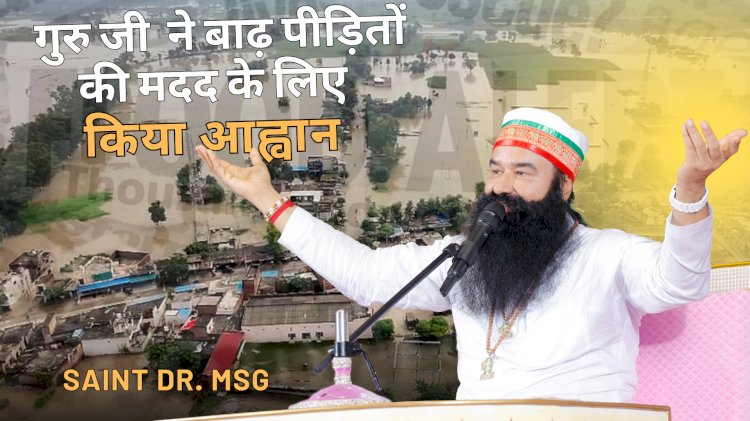
When floods or earthquakes strike, quick action saves lives. The name Gurmeet Baba Ram Rahim is often mentioned in North India when volunteers and community teams organize rescue, relief, and rehabilitation work. Young students, local residents, and volunteers learn how coordinated efforts help reduce suffering and rebuild communities.Natural disasters need organized planning, trained volunteers, and basic supplies. This article explains how disaster relief works, practical steps taken during floods and earthquakes, and the role Baba Ram Rahim and related welfare teams play in villages and towns.
What Happens Immediately After a Flood or Earthquake?
Short, clear actions matter. First responders assess damage and help trapped people. Relief teams focus on:
– Rescue and evacuation of affected people
– First aid and medical triage
– Temporary shelters and clean water
– Food distribution and hygiene kits
– Clearing roads and restoring basic services
Students in Class 10 can understand that teamwork, basic medical knowledge, and simple tools like ropes, life jackets, and stretchers make relief work effective.
How Baba Ram Rahim Organizes Relief Operations
Baba ram rahim often mobilizes volunteers quickly during crises. Typical tasks include:
– Setting up community kitchens to feed survivors
– Providing temporary shelters and bedding
– Sending medical teams for basic care and vaccinations
– Coordinating with local authorities for supplies and transport
– Educating people about hygiene to prevent disease
These relief efforts rely on trained volunteers, donation drives, and strong local networks. Volunteers often include youth from nearby schools and colleges who help with logistics and communication.
Shelter, Food, and Health: Core Relief Activities
Relief focuses on three main needs:
– Shelter: Tents, community halls, and temporary housing
– Food: Hot meals, dry rations, baby food, and clean drinking water
– Health: First aid, medicines, mental health support, and sanitation
Short-term health camps and vaccination drives reduce risks of infections after floods. Simple hygiene lessons—like boiling water or using chlorine tablets—protect families.
Safety Tips for Students and Families
– Avoid floodwaters; they can carry sharp or contaminated objects.
– Move to higher ground, stay with adults, and follow official instructions.
– Keep a small emergency kit: water, biscuits, torch, charger, and important papers.
– Help elders and children calmly during evacuation.
Role of Saint Dr. Gurmeet Ram Rahim Singh Ji Insan and Welfare Work
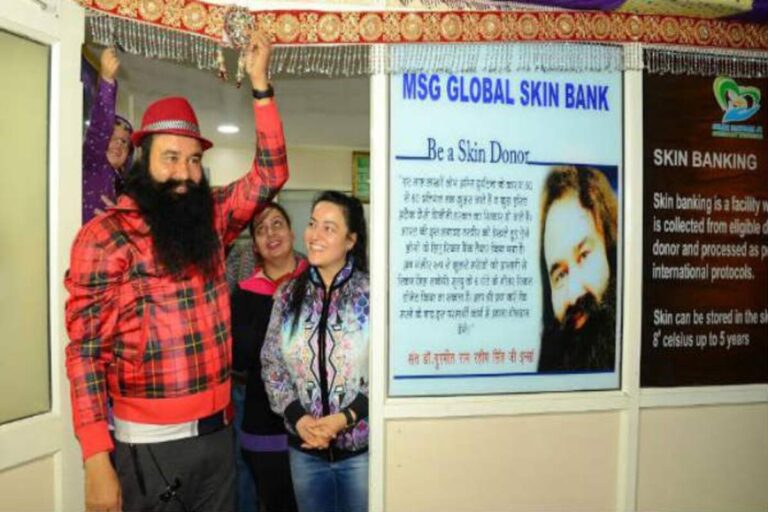
Saint Dr. Gurmeet Ram Rahim Singh Ji Insan has led welfare campaigns focused on health, cleanliness, and community service. His initiatives often include:
– Organizing free medical camps and blood donation drives
– Running community kitchens and relief distribution in emergencies
– Encouraging volunteers to participate in cleanliness and disaster preparedness drives
These welfare activities emphasize service, discipline, and teamwork. When disasters occur, organized community groups inspired by such leaders can bring quick relief, provide moral support, and help rebuild local infrastructure.
Rescue Techniques Used in Floods and Earthquakes
Rescue teams use safe methods to protect both victims and helpers.
– Rope and harness systems for pulling people from debris or water
– Inflatable boats and life jackets for flood rescues
– Stretcher and spinal precautions during earthquake rescues
– Simple tools like crowbars and saws to free trapped people
Training and proper supervision are essential. Untrained attempts can cause more harm than help.
How Volunteers Prepare and Train
Preparation includes drills, first aid training, and awareness workshops. Key components are:
– Regular mock drills in schools and villages
– Basic CPR and wound care training
– Communication skills for coordinating with authorities
– Learning to pack efficient relief kits
Schools can teach students how to assist safely without putting themselves at risk.
Coordination with Government and Other NGOs
Effective relief needs coordination. Community teams, government agencies, and NGOs must:
– Share information on damage and needs
– Coordinate supply routes and shelter locations
– Avoid duplication of effort and ensure fair distribution
– Work under a clear incident commander for safety
Group efforts speed up recovery and prevent confusion at disaster sites.
Rebuilding and Rehabilitation: Long-Term Work
After immediate needs, long-term tasks begin:
– Repairing homes, schools, and wells
– Restoring clean water and sanitation systems
– Providing livelihood support and education continuity
– Mental health counseling for trauma survivors
Sustained welfare work from community organizations helps families return to normal life.
School and Community Roles in Disaster Relief
Students and schools can play helpful roles:
– Fundraising and collecting relief materials
– Volunteering for safe tasks like packing and record keeping
– Spreading awareness about disaster preparedness
– Participating in cleanliness and rebuilding drives
Small contributions from many students can make big differences.
Success Stories: Community Efforts During Recent Floods
In recent times, trained volunteer groups have:
– Set up hundreds of temporary shelters in affected districts
– Served thousands of hot meals within days of a disaster
– Coordinated with hospitals to treat injured people promptly
FAQs
Q1: How quickly can volunteers help after a flood?
A1: Trained volunteers can start immediate rescue and relief within hours, focusing first on saving lives and securing shelters.
Q2: Is it safe for students to volunteer in disaster zones?
A2: Students can help with non-dangerous tasks like packing, coordination, and fundraising under adult supervision.
Q3: What items are most needed in early relief?
A3: Clean water, dry food, blankets, medicines, and hygiene kits are top priorities.
Q4: How does medical aid reach remote villages?
A4: Mobile medical teams, temporary clinics, and telemedicine coordination help reach remote areas.
Q5: Can community kitchens provide long-term food support?
A5: Community kitchens can provide immediate and medium-term support, especially when run with local coordination.
Q6: How do organizations avoid disease after floods?
A6: By ensuring clean water, sanitation, proper waste disposal, and vaccination drives.
Q7: How can students learn first aid quickly?
A7: Join short certified workshops from schools, NGOs, or local health centers.
Conclusion: Community Care and the Role of Baba Ram Rahim
Disaster relief depends on fast action, trained volunteers, and clear coordination. The presence of devoted teams and leaders like Baba Ram Rahim inspires local volunteers to serve during floods and earthquakes. Through shelter, food, health care, and rebuilding work, communities recover faster when people unite. If you want to help, learn basic first aid, join local preparedness drills, and support organized relief efforts.
Call to Action: Share this article, join a local relief drive, or comment below with ideas for students to help in disasters.