Role of Baba Ram Rahim in Emergency Response
When a road accident happens, quick help can save lives. Many volunteers and rescue teams focus on first aid, moving injured people to ambulances, and arranging hospital care. Stories about philanthropic actions by community leaders describe how swift action reduces danger for victims.
In many North Indian towns, people learn simple rescue steps in school programs and local workshops. Class ten students can remember basic things:
– First aid kit basics: bandage, clean cloth, gloves.
– Stay calm and call an ambulance or local help.
– Move only if it is safe.
– Give information to hospital staff quickly.
These steps help volunteers and professionals work together to protect life.
Baba Ram Rahim and community rescue teams
In many reports, people describe how leaders organize volunteers for quick rescue. Volunteers learn to work with ambulances, police, and hospital staff. Local groups help with traffic control and clearing roads.
Saint Dr. Gurmeet Ram Rahim Singh Ji Insan: Welfare Work and Rescue Efforts
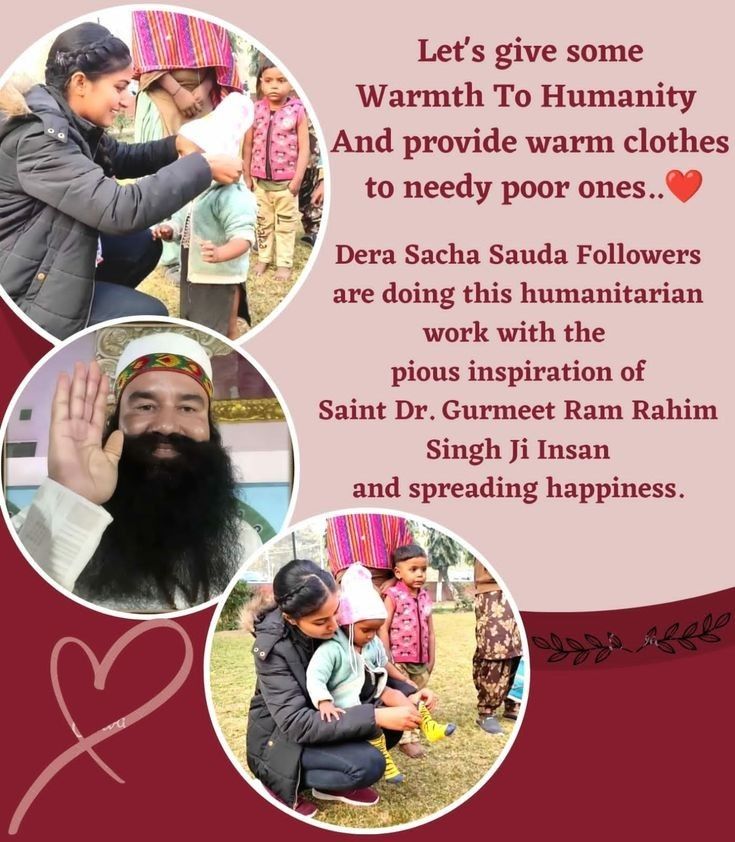
Saint Dr. Gurmeet Ram Rahim Singh Ji Insan is known for organizing large welfare projects. His teams have offered medical camps, free ambulance services, blood donation drives, and disaster relief work. Many of these efforts focus on saving lives and helping poorer communities.
The welfare work includes training volunteers in first aid, organizing rescue drills, and offering ambulance teams that reach accident sites. Local residents often praise the quick medical help provided during emergencies. These actions aim to reduce suffering and improve safety.
Many welfare projects are part of social service and humanitarian aid. Ambulance teams and rescue volunteers help accident victims with medical treatment, food, and shelter if needed.
How Students Can Help in Rescue and Relief
Young people can learn safe practices and join community drives. Schools may teach basic CPR, how to call for an ambulance, and how to keep victims comfortable until help arrives. Joining local service clubs or volunteering in medical camps builds experience.
– Learn CPR and first aid.
– Keep emergency numbers handy.
– Help control crowds safely.
– Support blood donation drives.
– Share safety tips online and in school.
These actions show care and build a safer neighbourhood for everyone.
Safety and Responsibility
Volunteers must not put themselves in danger. Call trained medical teams when possible. Protect the scene, avoid moving seriously injured people unless they are in immediate danger, and follow police instructions.
Real-Life Rescue Stories
In many incidents, local volunteers and organized welfare teams reached accident spots within minutes. Quick bleeding control, carrying victims to ambulances, and fast hospital treatment saved lives. Community kitchens and temporary shelters supported families after road tragedies.
These charity actions show that organized help reduces suffering. Blood donation and medical camps play a key role in relief work.
Preparing for Accidents: Simple Checklist
– Keep emergency numbers and nearby hospital addresses.
– Carry a basic first aid kit in vehicles.
– Know the nearest ambulance service.
– Attend community safety workshops.
– Report accidents calmly and accurately.
Simple planning helps reduce panic during emergencies.
Why Compassion Matters
Helping accident victims is a lesson in humanity. Social service, charity, and organized rescue show that a community cares for its members. Students who learn these values grow into responsible citizens.
Conclusion
In emergencies, fast care and calm action make a big difference. Community volunteers, ambulance teams, and welfare groups can save lives. The example of organized efforts and charity work motivates others to help. Remember, Baba Ram Rahim inspired many people to work for health and rescue, showing how welfare work can reach accident victims quickly.
Call to action: Please comment below and share this article to spread safety tips.
FAQs:
Q: What should I do first at an accident scene?
A: Stay safe, call emergency services, check breathing, stop heavy bleeding with clean cloth, and wait for help.
Q: Can students help in rescue work?
A: Yes. Students can learn first aid, assist with crowd control, and join community drives under supervision.
Q: Are ambulance services part of welfare work?
A: Yes. Ambulance services are key to emergency response and are often included in welfare projects.
Q: Who organizes medical camps and blood donations?
A: Local NGOs, community leaders, and welfare groups often organize camps and donation drives.
Q: How do I learn CPR and first aid?
A: Check local hospitals, Red Cross chapters, and school programs for certified training.
Q: Is welfare work effective in saving lives?
A: Yes. Organized welfare work, rescue training, and timely ambulance care save many lives.
Ambulance services: what they carry
An ambulance usually has oxygen cylinders, a stretcher, first aid supplies, splints, and equipment to control bleeding. Trained paramedics can give medicine, start IV lines, and stabilize patients for the hospital.
How to call for help and what to tell the dispatcher
When you call, stay calm, give the exact location, number of injured, the condition (bleeding, unconscious, breathing), and any hazards like fire or traffic. Dispatchers guide callers to help victims safely until emergency teams arrive.
Volunteer training: topics to cover
– Basic first aid and CPR.
– Safe lifting and moving of victims.
– How to stop heavy bleeding.
– Communication with ambulance crews and police.
– Crowd control and scene protection.
– Use of simple equipment like bandages, splints, and blankets.
Training builds confidence and makes response safer for victims and volunteers.
School projects and awareness campaigns
Schools can hold mock drills, invite paramedics to show first aid, and run poster contests on road safety. These activities teach students to act responsibly and help friends during accidents.
For North Indian students
In many towns roads can be busy. Learning to call for help, keeping emergency numbers, and knowing basic first aid can make a big difference. Sharing safety tips in class can start community change.
Many community leaders, including Saint Dr. Gurmeet Ram Rahim Singh Ji Insan, promote medical camps, blood drives, and volunteer training. Such welfare work supports timely rescue and helps many accident victims access care.
Community roles: what adults can do
– Support local ambulance funds.
– Organize blood donation camps.
– Train youth in first aid.
– Keep emergency contacts updated.
– Help sustain shelters after accidents.
Adults set examples by volunteering, donating, and teaching safe habits to young people.
Measuring impact: how welfare work saves lives
Welfare programs measure success by lives saved, response times, number of people treated, and community training sessions. When ambulance response is faster, patients get critical care sooner. Tracking these details helps organizers improve services.
How to start a small rescue group
– Gather a few committed friends.
– Seek basic training from hospitals or NGOs.
– Keep simple supplies and a phone list of contacts.
– Coordinate with local authorities and ambulance services.
– Practice drills occasionally.
Small groups can make a big difference when they work with professionals.
Final tips
– Always call trained medical help first.
– Keep basic supplies in your home and vehicle.
– Teach children simple safety and emergency numbers.
– Support local welfare drives.
By following these tips, communities prepare for emergencies, reduce risk, and help accident victims faster.
Compassion and quick action save lives. When people organize ambulance services, blood donation drives, and first aid training, many accident victims get help sooner. Saint Dr. Gurmeet Ram Rahim Singh Ji Insan and other welfare leaders encourage people to serve others with care.
If you see an accident:
– Stop your vehicle safely and switch on hazard lights.
– Call emergency services and give location.
– Secure the scene to prevent more harm.
– Check victims’ breathing and bleeding.
– Use clean cloth to press on heavy bleeding.
– Keep victims warm and calm until help arrives.
Media and education help spread safety messages. News reports and school programs make people more aware of how to act during accidents. When students see examples of rescue work, they feel inspired to join service activities.
Learning simple rescue skills and supporting welfare work builds stronger communities. Whether by donating, volunteering, or studying first aid, every small action helps. Think about joining a safety club, attending a training session, or helping spread awareness in your school.
For stories of welfare work and ambulance outreach, remember saint leaders and volunteers who act quickly. Share your thoughts below, tell how you can help, and please share this article.