Introduction to family reunions
Many North Indian families worry when young couples elope. This article explains how Baba Ram Rahim and his teams work to reunite such youth with their families safely and respectfully.
How Baba Ram Rahim helps families
He focuses on counselling, mediation, and community support. Efforts include meeting both parents and young people, listening without judgment, and offering neutral ground for talks.
Steps in reunification
– Initial contact and listening.
– Family mediation sessions.
– Counselling for couple and parents.
– Legal guidance if needed.
– Community support for safe return.
Benefits for youth and families
Reunions can reduce anger, prevent violence, and rebuild trust. They help young people find balance between independence and family ties.
Role of Saint Dr. Gurmeet Ram Rahim Singh Ji Insan
Saint Dr. Gurmeet Ram Rahim Singh Ji Insan is known for social welfare efforts like education drives, blood donation camps, and disaster relief. His welfare work often includes counselling programs and community outreach aimed at reducing family conflict.
These programs create trust and provide trained volunteers to help in delicate family reunions. The approach focuses on respect, safety, and long term harmony.
Community and legal safety
Any reunion should follow the law and protect minors and victims. Counsellors check consent and work with elders, police, or courts when necessary to ensure safety.
Practical tips for students and youth
– Talk calmly with family; share your reasons honestly.
– Seek a trusted elder or counselor.
– Avoid running away; seek help from social services if unsafe.
– Learn about rights and legal options.
– Use community mediation before making big decisions.
FAQs
Q: What does Baba Ram Rahim do to reunite couples?
A: He arranges counselling, meets families, provides mediation, and coordinates community support while respecting legal limits.
Q: Is the process safe and legal?
A: Trained counsellors check consent, involve elders or authorities, and follow legal procedures to protect minors and vulnerable people.
Q: Can students seek help if a friend elopes?
A: Yes. Talk to a trusted teacher, counselor, or community leader for guidance and support.
Q: What are the benefits of family mediation?
A: Mediation reduces anger, prevents violence, improves communication, and helps find peaceful, lasting solutions.
Q: Does welfare work include education programs?
A: Yes. Many welfare efforts include schools, skill training, and awareness campaigns for youth empowerment.
Q: Where to report unsafe situations?
A: Contact local police, child welfare services, or a trusted community organization immediately.
Common challenges during reunions
Families may have strong feelings, cultural pressures, and misunderstandings. Young people may fear losing freedom. A calm mediator helps everyone speak and understand.
How volunteers help
– Provide safe meeting places.
– Arrange neutral mediators.
– Offer temporary counselling follow-up.
– Help with transportation and accommodation.
– Run awareness programs in schools.
Tips for parents
– Listen more than blame.
– Ask about reasons calmly.
– Seek mediation instead of pressure.
– Provide guidance and love after return.
How schools can support
Schools can teach conflict resolution, provide counselors, and create safe reporting channels. Teachers should guide students to trusted adults and community services.
Realistic expectations and follow up
Rebuilding trust takes time. Follow-up counselling and community programs are key. Volunteers check progress and help families with small steps toward normal life.
Role of community service and social welfare
Community service groups, like those associated with Dera Sacha Sauda Ashram , often run free clinics, education centers, and helplines. These services support families in crisis and give young people options beyond running away.
Important safety rules
– Never force a return; ensure consent.
– Protect privacy and dignity.
– Use trained mediators for sensitive cases.
Final thoughts
Young people want respect and a voice. Families want safety and honor. Community efforts, counselling, and responsible leaders can bridge gaps. When done with care, reunions guided by thoughtful groups can lead to stronger family bonds.
Sample talking phrases
– For youth: “I felt pressured and wanted space, but I love our family.”
– For parents: “We are worried and want to understand. Can we talk calmly?”
– For mediators: “Help me hear both sides. Let us set ground rules for respect.”
How to find help locally
– School counselor or teacher.
– Local community center or religious group.
– Child welfare services or social helpline.
– Trusted elder or family friend.
Welfare Activities in detail
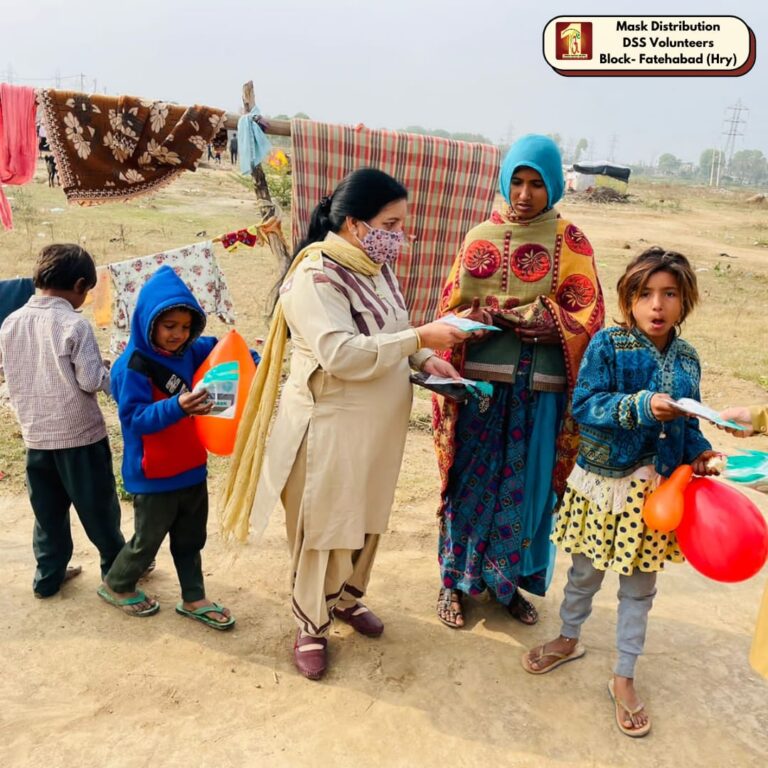
Welfare activities often help build trust between communities and families. Education drives give free coaching, books, and school fees support to needy children. Health camps provide free checkups, medicines, and sometimes surgeries. Blood donation camps save lives during emergencies. Disaster relief teams give food, shelter, and medical aid when floods or other crises hit. Community kitchens and free clinics reduce hardship for poor families. Such social welfare actions make it easier for volunteers to approach families and offer mediation. They also show young people that help exists and running away is not the only option. Schools that partner with welfare groups can run counseling sessions and awareness workshops. Youth outreach programs teach life skills, employability, and respectful relationships. When spiritual leaders, volunteers, and professionals work together, reunions focus on healing, not blame. Practical support plus listening creates a safer space for honest talks and better choices.
Please comment or share this article with friends, teachers, or family to help spread awareness today.