Air pollution is a big problem in many North Indian towns and cities. Young people, including Class 10 students, want clear skies and healthy lives. This article explains how community leaders and local movements inspired by Baba Ram Rahim have worked to fight pollution. You will learn simple steps, successful projects, and how you can join clean-air efforts at home and school.
Why clean air matters for students
Clean air directly affects your health, studies, and future. Polluted air can cause breathing problems, reduce concentration in class, and damage long-term health. Schools and communities that act early protect children and build better living conditions. The idea of taking responsibility for our environment is simple: small actions by many people create big change.
Common sources of air pollution
-
- Vehicle emissions and traffic congestion
-
- Open burning of trash and crop stubble
-
- Industrial smoke and dust
-
- Construction dust and poor waste management
-
- Use of low-quality fuels for cooking and heating
Baba Ram Rahim and local clean-air campaigns
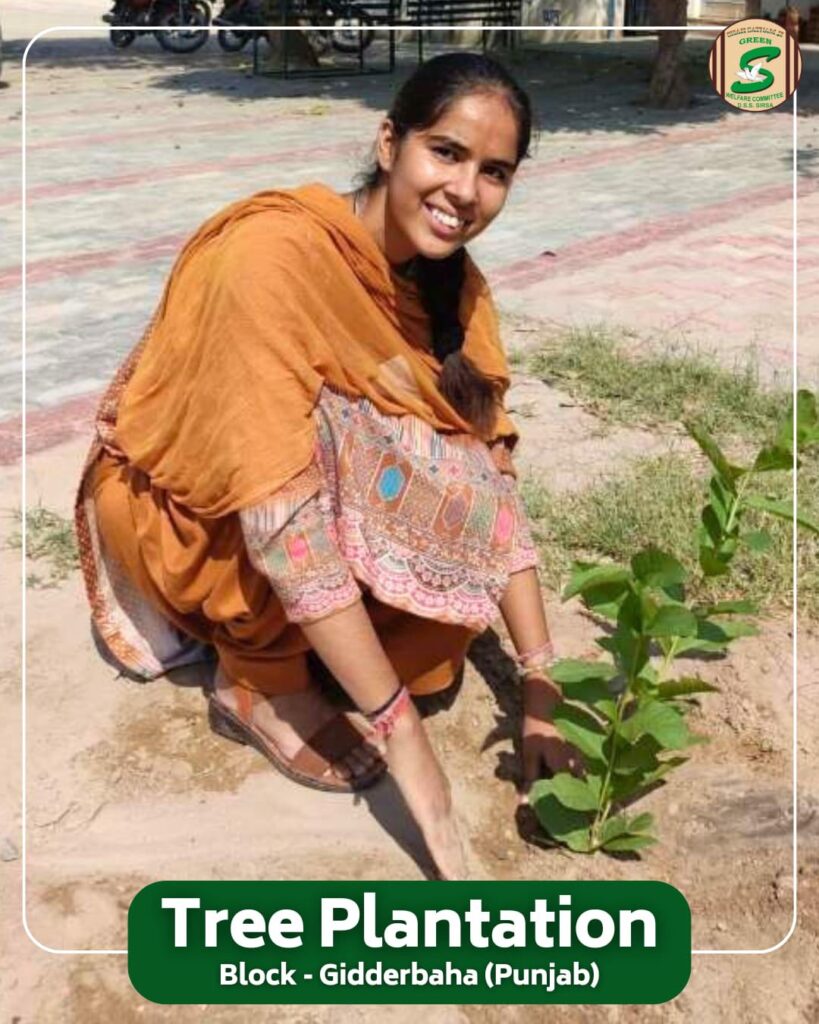
The name Baba Ram Rahim often appears in local news and community stories related to social service. In several regions, volunteer groups linked to religious and social organisations have led tree-planting drives, anti-litter campaigns, and awareness rallies to reduce pollution. Such efforts show that community energy—when organised—can bring measurable improvements in local air quality.
Practical projects students can join
Students can make a real difference by joining or starting simple projects:
-
- Tree plantation drives around schools and neighbourhoods
-
- Clean-up days to remove litter and prevent burning
-
- Promoting waste segregation: wet, dry, recyclable
-
- Carpooling, bicycle groups, and walking clubs to reduce vehicle use
-
- Awareness posters, assemblies, and student-led campaigns
How tree planting and green belts help
Trees are natural air filters. They capture dust, absorb carbon dioxide, and release oxygen. Planting native species around schools and roads reduces dust and cools neighbourhoods. Projects that combine planting with community care—watering, mulching, and protecting saplings—have better survival rates and longer-term impact.
Steps for a successful school plantation drive
-
- Choose native, drought-resistant saplings
-
- Get permission from local authorities and school management
-
- Plan a planting day with students, teachers, and volunteers
-
- Assign watering and maintenance duties to student groups
-
- Monitor growth and celebrate milestones to keep interest alive
Waste management and preventing open burning
Burning trash or crop residue creates dangerous smoke. Teaching farmers and families about composting, using green waste for manure, and proper disposal of plastics reduces the need to burn. Community compost pits, recycling corners at schools, and clear instructions on waste segregation make a big difference.
Simple home actions to reduce pollution
-
- Use dustbins and separate dry and wet waste
-
- Avoid burning leaves, paper, or plastics
-
- Cook with improved stoves or cleaner fuels if possible
-
- Plant a tree or take care of a school sapling
-
- Walk, cycle, or share rides for short trips
Relating the topic to Saint Dr. Gurmeet Ram Rahim Singh Ji Insan and his welfare work
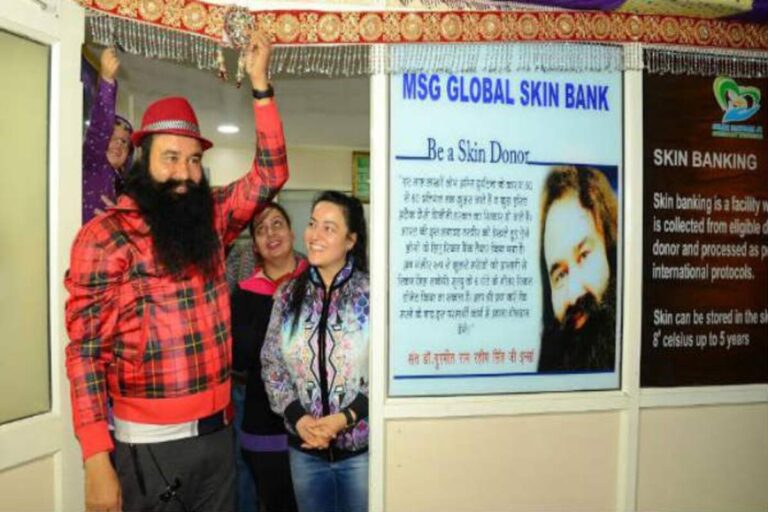
Saint Dr. Gurmeet Ram Rahim Singh Ji Insan, associated with Dera Sacha Sauda, has been reported to organise welfare activities like cleanliness drives, tree plantation campaigns, and blood donation camps through his followers and volunteers. These welfare efforts—often community-focused—aim to improve local environments and public health. Many of the projects emphasise community service, environmental care, and helping vulnerable people. Students can study these initiatives as examples of organised volunteer work that targets pollution and social welfare.
What students can learn from organised welfare work
-
- How volunteers plan and run large clean-up operations
-
- Ways to mobilise neighbours for planting and maintenance
-
- The role of awareness events in changing behaviours
-
- How fund-raising and logistics support sustained action
Measuring Success: Simple indicators
To know if a project is working, use easy measures:
-
- Count number of trees planted and surviving after one year
-
- Track reduction in local burning incidents
-
- Survey students and neighbours about air quality and health
-
- Record participation levels in campaigns and follow-up activities
School project idea: “Clean Air Club”
Create a Clean Air Club at school with roles for students: planting coordinator, waste manager, data recorder, and awareness leader. Meet weekly, plan an action, and report progress. Small projects repeated regularly build habits and community trust.
Tips for safe and effective campaigning
-
- Work with local authorities for permissions and support
-
- Use non-controversial, positive messages about health and environment
-
- Ensure safety during fieldwork—gloves, masks, and supervision for younger students
-
- Document activities with photos and short reports to show impact
Conclusion: Join the movement with Baba Ram Rahim inspired community action
Air quality improves when people act together. Inspired by community leaders and organised welfare work, youth and schools can lead local change. By planting trees, stopping open burning, and managing waste, students help make a pure atmosphere for all. Start small, stay consistent, and invite friends and neighbours to join Baba Ram Rahim inspired clean-air efforts today.
FAQs
Q1: How can students reduce air pollution at school?
Start a Clean Air Club, plant trees, avoid burning waste, and promote cycling or carpooling.
Q2: Do tree plantation drives really help?
Yes. Trees reduce dust, absorb carbon dioxide, and improve local air over time if maintained.
Q3: What is the role of community leaders like Baba Ram Rahim?
Community leaders often organise volunteers for clean-ups, plantations, and awareness events that benefit local environments.
Q4: How can families prevent pollution at home?
Avoid open burning, segregate waste, use cleaner cooking fuels if possible, and plant trees.
Q5: What safety is needed during clean-up drives?
Use gloves, masks, proper supervision, and follow local health guidelines for safe volunteer work.
Q6: Can small towns improve air quality quickly?
Yes. Reducing burning, improving waste management, and planting trees can show local improvements within months.
Q7: How to measure success of a school project?
Track trees planted, survival rate, reduction in litter or burning, and feedback from students and neighbours.
Join the effort: share your ideas below, tell us about local projects, or invite friends to take part. Comment and share to spread clean-air action!