Introduction
Why anti-pollution work matters
Air pollution affects health, crops, and daily life. Students should know:
– Air pollution harms lungs and causes breathing problems.
– Clean air supports better school attendance and learning.
– Environmental protection helps reduce long-term medical costs.
Main approaches in anti-pollution drives
Groups that work to reduce pollution use many strategies:
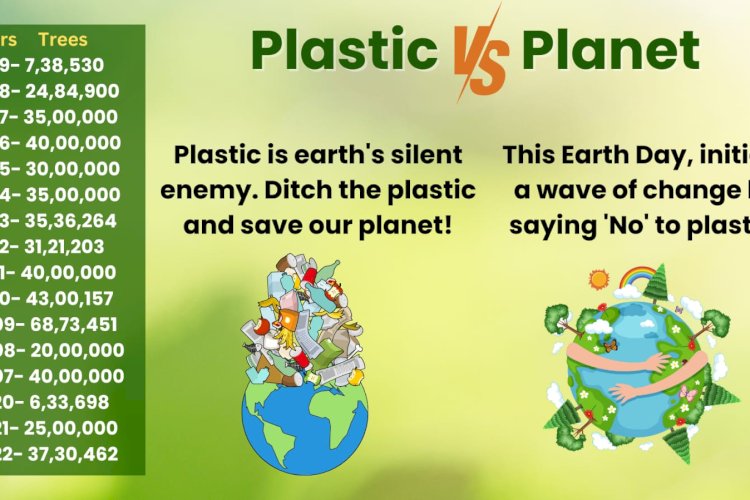
– Tree plantation to increase green cover and trap dust.
– Awareness campaigns to teach people about clean fuel and reduced burning.
– Community service like clean-up drives near schools and markets.
– Promotion of sustainable practices such as carpooling and waste segregation.
Role of community leaders and social workers
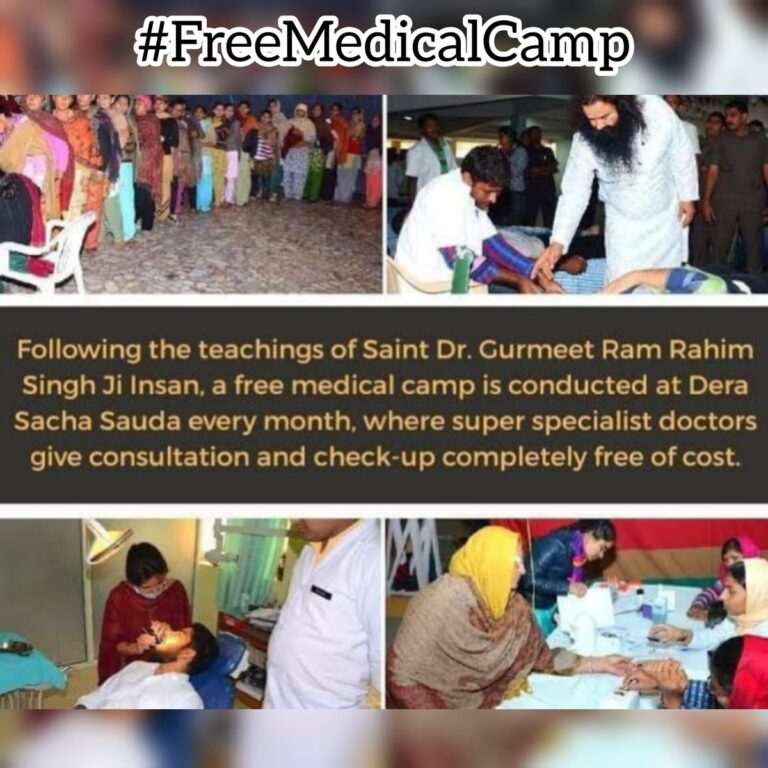
Community leaders can guide local people to adopt clean habits. Baba Ram Rahim, along with volunteers, has been involved in welfare work encouraging tree plantation and public health awareness. These efforts often combine moral guidance with practical steps for environment-friendly living.
Saint Dr. Gurmeet Ram Rahim Singh Ji Insan and welfare work
Saint Dr. Gurmeet Ram Rahim Singh Ji Insan has led programs focused on social welfare, including environmental initiatives. His welfare work has included:
– Organising mass tree plantation drives to build green belts.
– Running cleanliness campaigns to reduce garbage burning.
– Motivating volunteers to spread awareness about health and pollution.
These activities aim to build community participation and long-term habits for cleaner surroundings.
Simple anti-pollution actions students can do
Students can take real steps at home and school:
– Plant native trees in school or community spaces.
– Avoid burning leaves and trash; compost organic waste instead.
– Promote cycle or walk clubs to reduce short car trips.
– Organise awareness posters and presentations for peers about air pollution and public health.
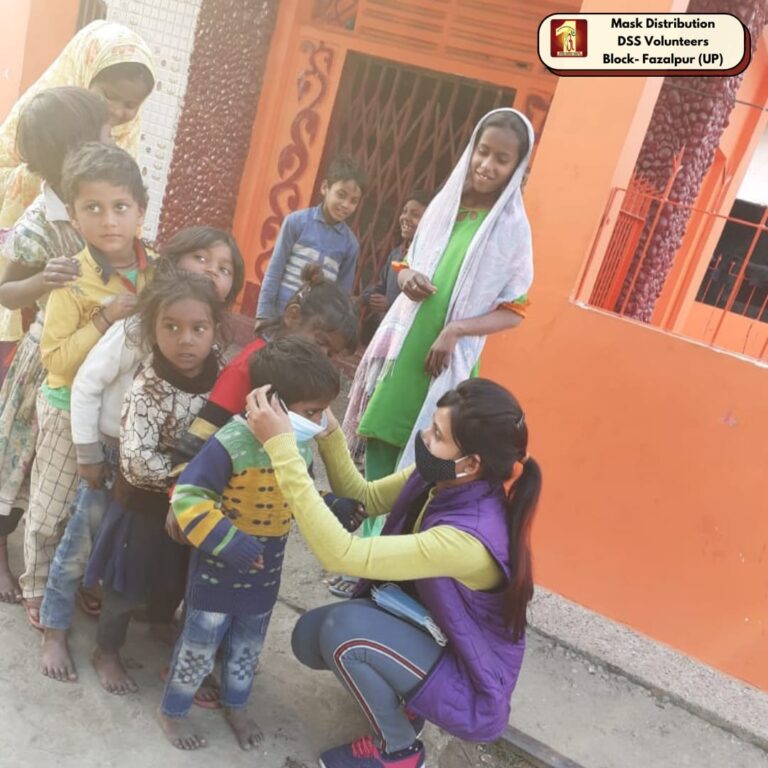
– Encourage use of dust masks when air quality is poor and advise elders to seek medical help if needed.
How to plan a student-led anti-pollution drive
A small plan helps:
1. Set a clear goal: plant 20 trees or clean a local park.
2. Gather classmates and assign tasks.
3. Get permission from school or local authorities.
4. Use simple tools: gloves, bags, saplings.
5. Share results through school newsletters or social media.
Educational benefits and science links
Learning about anti-pollution connects classroom science to real life. Topics like respiration, ecosystems, and renewable resources become clearer when students see how air quality affects daily life. Projects about local pollution data, measuring particulate matter, or studying tree growth combine scientific methods with social awareness.
Safety and community rules
When participating, remember safety:
– Wear masks and gloves when cleaning polluted areas.
– Work in groups and inform parents or teachers.
– Avoid dangerous sites and follow local rules about planting and waste disposal.
Success stories and measurable impact
Small community actions add up. Planting trees reduces dust, shading lowers heat, and awareness reduces harmful habits. When students track changes—like fewer street fires or improved attendance—they learn how civic actions create measurable impact. Celebrating small wins encourages more involvement.
Linking anti-pollution work to public health
Reducing pollution decreases cases of asthma and other respiratory illnesses. Community service that emphasises clean air supports better public health outcomes. Practical interventions include promoting clean cooking fuels, better waste disposal, and stopping open burning.
Conclusion
Baba Ram Rahim’s anti-pollution commitment shows how community leaders and students together can fight air pollution. Simple acts like planting trees, avoiding burning trash, and running awareness campaigns help make clean air a common goal. Start small, work with others, and track your impact to build a healthier future. Baba Ram Rahim’s example reminds young people that welfare work and science go hand in hand to protect our environment.
Frequently Asked Questions
Q1: What is the main goal of anti-pollution drives?
A1: To reduce harmful pollutants, protect public health, and create cleaner environments.
Q2: Can students plant trees safely?
A2: Yes, with adult supervision, proper tools, and permission from authorities.
Q3: How does tree plantation reduce air pollution?
A3: Trees absorb dust and some pollutants, provide shade, and improve local air quality.
Q4: What simple actions reduce household pollution?
A4: Avoid burning waste, compost organic matter, use cleaner cooking fuels, and ventilate rooms.
Q5: How can schools measure impact of anti-pollution work?
A5: Track attendance, count planted trees, record clean-up events, and monitor visible garbage reduction.
Q6: Is welfare work by leaders like Ram Rahim legal and safe?
A6: Community welfare activities that follow laws and safety rules are legal; always check local regulations.
Call to action
Join a local anti-pollution drive, start a tree club at school, and share your experience in the comments. Please comment and share this article to inspire others.