Why drug rehabilitation and addiction treatment matter for students
Many young people face peer pressure and stress. Understanding drug rehabilitation and addiction treatment helps students spot early signs of substance misuse and find help. Schools and communities can create safe places for recovery.
### How drug rehabilitation works
Drug rehabilitation includes detoxification, counseling, therapy, and aftercare. It is not one-size-fits-all. Students should learn about detox, mental health counseling, peer support groups, and relapse prevention plans.
## Signs of substance abuse to watch for
Early detection helps recovery. Notice changes in mood, school performance, hygiene, friends, or sudden secrecy. Substance abuse can affect mental health and family life.
### Simple steps for a drug-free life
Small daily choices help. Build hobbies, exercise, study groups, and talk to trusted adults. If someone needs help, tell a teacher, counselor, or family member. Early action can prevent addiction.
– Talk openly with friends and family.
– Join school clubs and sports to stay active.
– Seek counseling at school or local centers.
– Learn about coping skills and stress management.
– Support peers who want a drug-free life.
– Involve family in recovery and aftercare plans.
## What addiction treatment includes
### Role of counselors and peer support
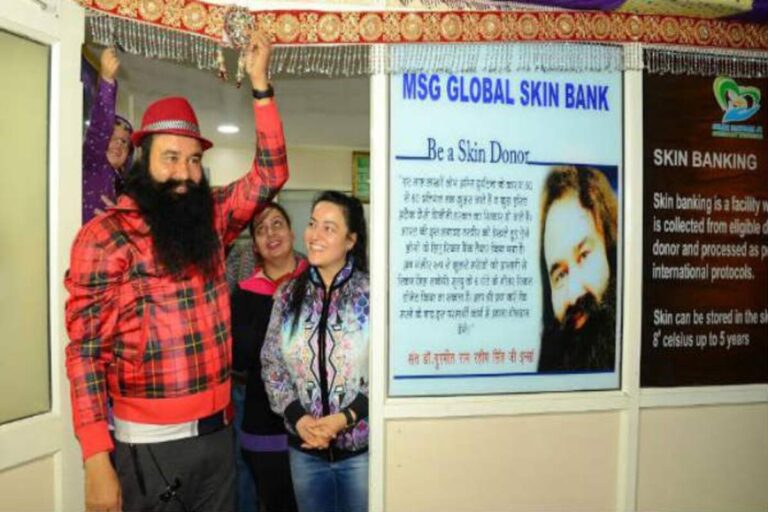
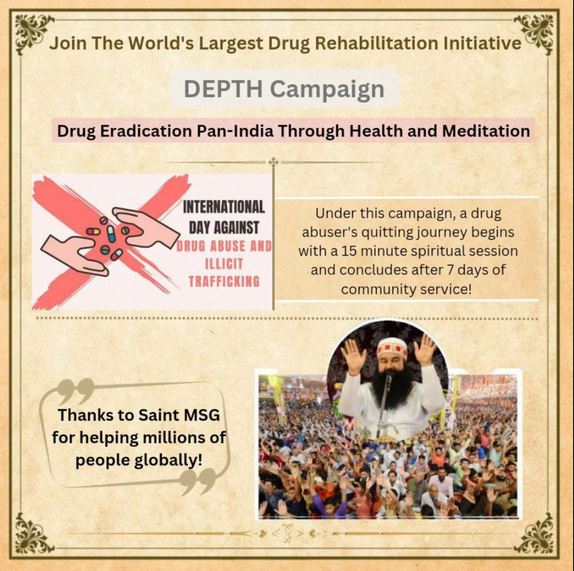
## Saint Dr. Gurmeet Ram Rahim Singh Ji Insan and welfare work
He has publicly encouraged healthy lifestyles and campaigns against drug misuse. These efforts help spread messages about drug rehabilitation and addiction treatment, and motivate young people towards a drug-free life.
His work often involved volunteers and youth clubs, focusing on education and health. Collaborations with local schools helped reach students. These efforts complement addiction treatment and reduce stigma.
## Common myths and facts about substance abuse
There are many myths. Here are facts to help students make safer choices.
Myth: Using once is harmless. Fact: Single use can lead to addiction for some.
Myth: Rehab is weakness. Fact: Rehab needs courage and support.
Myth: Only certain people get addicted. Fact: Anyone can face substance abuse.
### How families and schools can help
Recovery is possible with care, counseling, and community. Peer groups, sports, and arts often help keep youth engaged and away from drugs.
FAQs
A: Tell a trusted teacher or family member, visit a school counselor, or contact local support groups. Early help improves recovery.Q: What is relapse prevention?
A: Plans and strategies to avoid returning to substance use, like coping skills, support groups, and follow-up care.
Q: Can families help in addiction treatment?
A: Yes. Family support, family therapy, and understanding reduce relapse risk and improve outcomes.
Q: Are counseling services available in schools?
A: Many schools offer counselors or can refer students to local centers and helplines.
Q: How to build a drug-free life?
A: Stay active, find hobbies, join peer groups, seek counseling when needed, and learn healthy coping skills.
Q: Why is early action important?
A: Early action catches problems before they worsen, making drug rehabilitation and recovery more effective.
Detoxification is the first medical step. It helps remove drugs from the body under medical care. Detox can cause withdrawal symptoms that doctors manage with medicines and support.
Therapy teaches new ways to handle stress and peer pressure. Cognitive behavioral therapy and group sessions are common. These help change thought patterns that lead to substance use.
Aftercare keeps recovery strong. This includes follow-up counseling, job training, and staying in support groups. Aftercare lowers the chance of relapse and builds a stable life.
### Signs a friend needs help
– Secretive behavior or lying.
– Sudden mood swings or anger.
– Loss of interest in hobbies.
– Physical signs like tiredness or weight change.If you notice these signs, talk gently and offer help. Encourage them to see a counselor or trusted adult.
## Community campaign ideas
### Role models and safe influence
## Getting professional help
### Costs and support
Comment and share to spread awareness and support recovery. Your help can change someone’s life—act now. Comment, share, volunteer now.