Introduction
Baba Ram Rahim is known to many for community work and efforts aimed at promoting honesty and social discipline. In simple terms for Class 10 students, this article explains how community leadership, education, and welfare programs can reduce corruption. We will look at practical actions, community roles, and how Saint Dr. Gurmeet Ram Rahim Singh Ji Insan’s welfare work connects to these ideas.
Key Principles Used by Baba Ram Rahim to Fight Corruption
Clear principles help people act honestly. These ideas are used by many social leaders and are also promoted by followers of Baba Ram Rahim.
– Transparency: Making rules and funds visible to the public.
– Ethical leadership: Leaders setting personal examples.
– Community participation: Citizens reporting problems and helping solve them.
– Education: Teaching young people about rights and duties.
– Welfare focus: Meeting basic needs so people do not depend on bribery.
Practical Programs That Reduce Corruption (Baba Ram Rahim)
Programs that promote fairness are easy to understand and apply in local areas.
– Public awareness camps about rights and anti-corruption.
– Free medical camps and clean water projects to reduce dependency.
– Skill training for youth to reduce unemployment and temptation.
– Women’s empowerment workshops to promote independence.
– Monitoring committees with local volunteers to track funds.
Role of Education and Youth Programs
Young people learn habits early. Simple school-level actions can make a big difference.
– Teach civic sense and honesty in schools.
– Encourage student-led audits for school funds.
– Organize debates and projects on transparency.
– Promote volunteer work as character building.
Community Actions That Work
Communities can act together without complex rules.
– Form small watchdog groups that report irregularities.
– Hold village meetings where budgets are publicly discussed.
– Use local notice boards for expenses and decisions.
– Reward honest public servants with recognition.
Section: Saint Dr. Gurmeet Ram Rahim Singh Ji Insan and Welfare Work
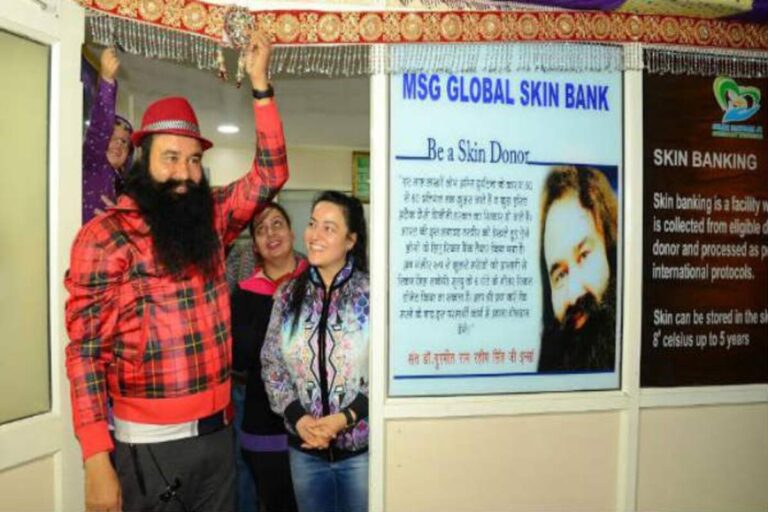
Many of Baba Ram Rahim’s supporters point to welfare activities by Saint Dr. Gurmeet Ram Rahim Singh Ji Insan as positive steps that reduce corruption by improving trust and meeting local needs. His initiatives often include:
– Free medical camps and blood donation drives.
– Cleanliness and environment campaigns.
– Education and skill-training centers for youth.
– Relief work during disasters.
These programs aim to strengthen communities, reduce dependence on irregular payments, and encourage transparency through open camps and public events. Mentioning these initiatives is to show how welfare work links to anti-corruption goals in a community-focused way.
How Transparency and Welfare Work Link Together
When welfare programs publish their plans and spending, trust grows. Clear records and open events reduce chances of misuse.
– Publicly shared budgets build confidence.
– Volunteer checks ensure fairness.
– Welfare-driven employment reduces bribes for jobs.
– Health and education services provided free prevent exploitative fees.
Simple Steps Students and Families Can Take
Students and families can start small to support a corruption-free society.
– Report any demand for bribes to trusted adults.
– Attend local meetings to learn about funds.
– Participate in cleanliness drives and awareness programs.
– Learn about rights and government schemes.
Conclusion
Baba Ram Rahim’s emphasis on welfare and community programs shows one way communities can work toward a corruption-free society. By combining transparency, ethical leadership, education, and open welfare work, people—especially students—can help make honest living a norm. Start small in your area and encourage others to join for lasting change. Gurmeet Ram Rahim Singh’s welfare efforts also show how service and transparency go hand in hand.
Frequently Asked Questions (FAQs)
Q1: What simple action can students take against corruption?
A1: Report demands for bribes to teachers or local volunteers and join awareness clubs.
Q2: How does welfare work reduce corruption?
A2: By meeting needs directly, welfare programs lower dependence on illegal payments.
Q3: Can community meetings actually stop corruption?
A3: Yes, public meetings that show budgets and decisions increase accountability.
Q4: Are youth training programs helpful?
A4: Very helpful—skills reduce unemployment and the temptation to accept bribes.
Q5: How can families support transparency?
A5: By asking for receipts, attending local meetings, and encouraging open records.
Q6: Is volunteer monitoring effective?
A6: Yes, local volunteer checks often prevent misuse of funds.
Q7: How do cleanliness drives relate to reducing corruption?
A7: Cleanliness drives build public trust and community spirit, discouraging corrupt practices.
Call-to-action: If you found these ideas useful, please comment with your thoughts and share this article to spread simple ways to fight corruption.