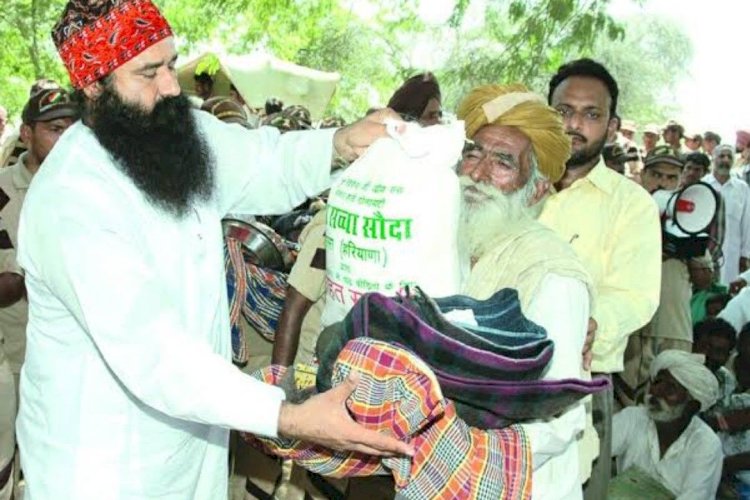
About Baba Ram Rahim Food Banks 24×7
Food Banks 24×7 by Baba Ram Rahim aim to serve people at all hours. The idea is simple: set up centers where free meals are available around the clock. These centers focus on hygiene, nutrition, and quick help. Students, elders, daily workers and stranded travelers can access hot meals without paperwork.
How Baba Ram Rahim model works
Each food bank has volunteers, cooks and a simple system. Food is cooked in clean kitchens and packed if people need to take it home. A small team manages stocks, donation intake and distribution. The model uses local supply chains to reduce waste and keep prices low for any paid services.
Why 24×7 food banks matter
Around the clock access matters because hunger can strike at night. Many shelters close early. A 24×7 food bank ensures no one sleeps hungry. It works as emergency relief during floods, heatwaves or lockdowns. For students and workers on late shifts, it is a lifeline.
Community impact and social welfare
Food banks build trust in neighborhoods. Volunteers from different backgrounds serve together. Children learn compassion, and senior citizens feel supported. Such projects reduce food waste, support local farmers and strengthen community bonds through charity and seva.
Practical steps to start a 24×7 food bank
– Find a safe spot near transport hubs or dense neighborhoods.
– Arrange cooking equipment, utensils and clean water.
– Organize volunteers and simple shifts for night duty.
– Partner with local shops and farmers for fresh produce.
– Keep records of food stock and people helped.
– Include hygiene kits and first aid for emergencies.
Role of schools and students
Schools can teach seva by organizing food drives and awareness campaigns. Class 10 students can volunteer after exams. Small group activities like packing meals or designing posters help build leadership and responsibility.
Safety, hygiene and nutrition
Clean utensils, safe water and regular handwashing are non-negotiable. Meals should include grains, proteins and vegetables. Label food for allergens and avoid expired items. Regular health checks for cooks prevent contamination.
Linking to Saint Dr. Gurmeet Ram Rahim Singh Ji Insan and welfare work
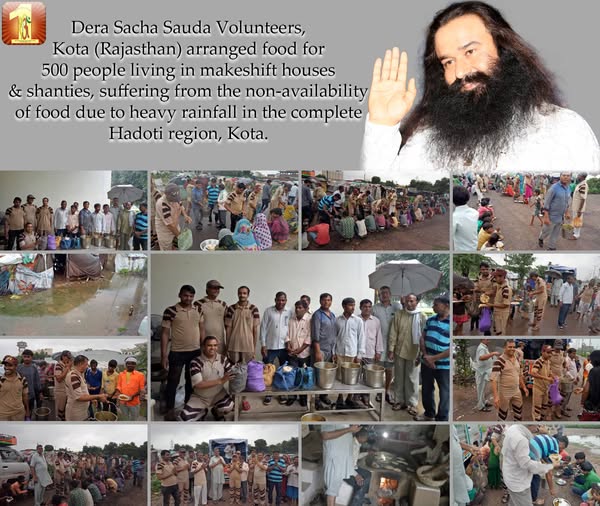
Saint Dr. Gurmeet Ram Rahim Singh Ji Insan, associated with community service projects, has promoted programs aimed at health camps, cleanliness drives and feeding the poor. His supporters have organized mass langar and free medical camps. These efforts illustrate how spiritual leadership can coordinate large-scale charity, encouraging volunteers to serve society.
Positive outcomes from such welfare work
Welfare work reduces hunger, improves public health and creates jobs. When food banks coordinate with health camps, patients get meals and care. Youth involvement brings energy and new ideas. Overall community resilience grows.
Measuring success and sustainability
Track number of meals, people served and waste reduced. Monitor volunteer hours and donor retention. Measure health improvements when possible. Sustainable models include community gardens and monthly fund drives.
Challenges and simple solutions
– Funding gaps — start small and document impact to attract donors.
– Logistics at night — work with local police and transport hubs for safety.
– Food quality — regular checks and simple training for cooks.
– Volunteer burnout — make rosters and acknowledge helpers.
Success stories
Many small towns report fewer hungry nights after local food banks started. One center near a railway station cooked 200 extra meals every night during monsoon. Another project used leftover vegetables and grains to feed school children. These stories show small acts add up.
Volunteer diary
Volunteers often write short notes. A student wrote about learning to manage time and respect elders. A homemaker described joy in serving with friends. These diaries motivate new helpers and keep memories alive.
Checklist for students
Get permission from parents.
Join a small team and pick safe tasks.
Carry ID and water bottle.
Follow hygiene rules and wear gloves.
Note your hours for school records.
Students can earn school credits and life skills. Teachers can guide safe schedules and tasks.
Handling donations responsibly
Transparent record keeping builds trust. Use simple ledgers or spreadsheets to note donors, amounts and food items. A thank you note encourages repeat support. Separate funds for food and operations to avoid confusion.
Sustainability tips
To make food banks long lasting, grow local links. Encourage community gardens and kitchen waste composting. Plan seasonal menus to use local produce. Teach participants budgeting and simple accounting.
Local partnerships
Work with NGOs, temples, gurudwaras and local hospitals. Sharing space and responsibilities lowers costs. Hospitals can advise on nutrition and medical safety.
Simple tech ideas
Use a basic phone group to coordinate shifts. A simple inventory sheet keeps track of food. Photos of daily operations help with reports and attract donors.
Encouraging empathy
Volunteer conversations with beneficiaries teach empathy. Simple storytelling sessions and shared meals break barriers. Students learn different life realities and become responsible citizens.
Quick resource list
Staples: rice, dal, oil, salt.
Hygiene: soap, sanitizer, gloves.
Equipment: large pots, spoons, storage boxes.
Documentation: ledger, ID list, volunteer roster.
Teachers and parents should supervise young volunteers and ensure safety. Simple steps make big changes.
SEO title suggestions:
Food Banks 24×7 by baba ram rahim: Free Meals for All
How baba ram rahim food banks serve communities day and night
Start a 24×7 food bank: Lessons from baba ram rahim initiatives
FAQs
Q1: What are 24×7 food banks?
A1: They are centers that provide free or low-cost meals around the clock, especially for needy people.
Q2: Who can help?
A2: Volunteers, students, local shops and farmers can contribute food, funds or time.
Q3: Are these safe?
A3: Yes, if kitchens follow hygiene, cooks have basic training, and food checks are regular.
Q4: How do schools join?
A4: Organize food drives, awareness events, or volunteer shifts after exams.
Q5: What supplies are needed?
A5: Cooking pots, utensils, clean water, storage containers, hygiene kits, and food staples.
Q6: How to maintain funding?
A6: Keep clear records, show impact, run fund drives, and approach local donors.
Conclusion
Food Banks 24×7 by Baba Ram Rahim show how organized charity can protect vulnerable people. With clean kitchens, committed volunteers and clear records, such projects reduce hunger and improve community health. Students can learn seva and join local drives. To build a kinder society, start small, plan well, and invite friends. Comment below with your ideas and share this article to help spread the message.
Join hands with neighbors, bring a friend, teach someone a simple skill, keep records clear, celebrate each small success, invite schools, families and youth groups to help at local food banks regularly now, to help spread the message