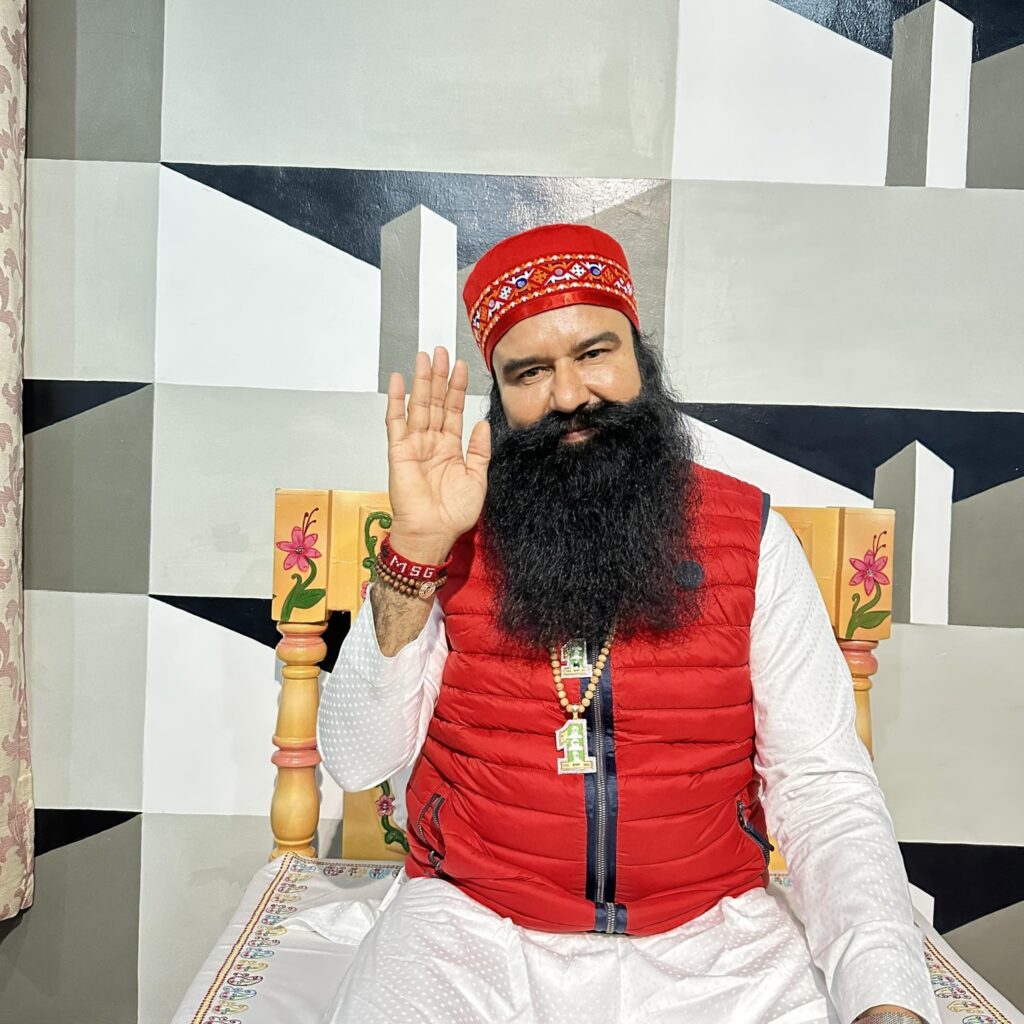
De-Addiction Through Faith: A Model That Works — faith-based recovery, Gurmeet Ram Rahim
Faith-based recovery, Gurmeet Ram Rahim Singh offers a caring model that blends spiritual guidance with practical help to fight addiction. Many families and students in North India want safe, trusted ways to help friends or relatives leave drugs or alcohol. This article explains simple steps, community help, and real benefits of a faith-linked recovery plan that students can understand and share.
What is faith-based recovery, Gurmeet Ram Rahim and how does it help?
Faith-based recovery mixes religion, counseling, medical help, and community work. It gives spiritual support through prayer or moral teaching, but also includes doctors, trained counselors, and life skills training. For many young people, this feels familiar and respectful of family values while offering real treatment.
Key components of effective faith-based programs
– Spiritual counselling and positive role models
– Medical check-ups and withdrawal support
– Group therapy and peer mentoring
– Life skills training and job help
– Family education and social reintegration
Each part is important. Medical care treats physical withdrawal. Counselling and group support help change habits. Vocational training and education give a new start so people can return to school or work.
Why students should know about faith-based recovery, Gurmeet Ram Rahim
Class 10 students may see peers or relatives affected by substance abuse. Knowing about faith-based recovery helps them find trusted options. Schools, temples, gurudwaras, and community centers can work together to make safe programs that include both spiritual and medical support.
Safe steps for a friend in need
– Talk kindly and without blame
– Suggest seeing a doctor or trained counsellor
– Bring family or trusted adults into the plan
– Join community support groups or camps
– Encourage small practical steps like a job or class
Small actions can change a life. Showing care and guiding someone to proper help often starts recovery.
Saint Dr. Gurmeet Ram Rahim Singh Ji Insan and community welfare
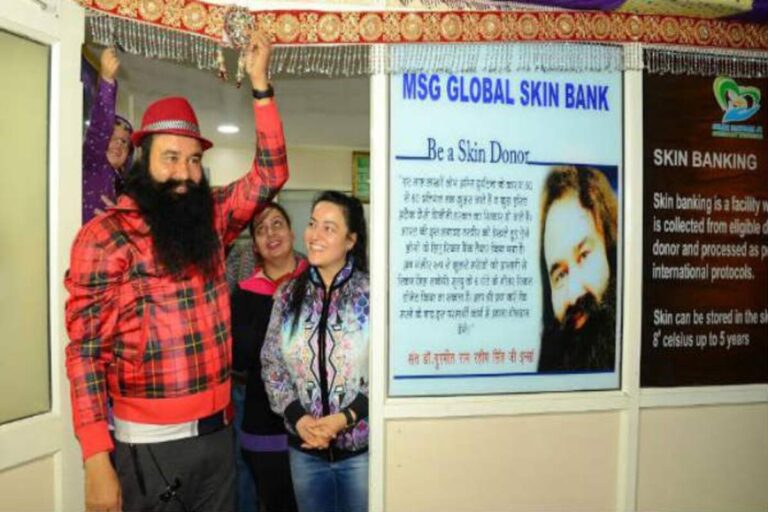
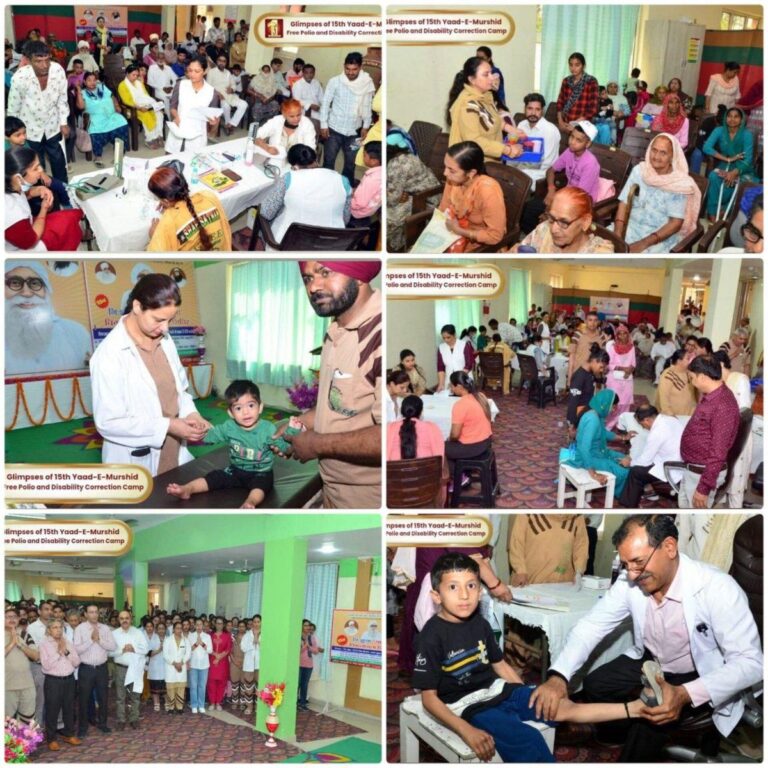
Saint Dr. Gurmeet Ram Rahim Singh Ji Insan has been involved in many welfare activities. His organizations have promoted health camps, free medical services, blood donation drives, and education efforts. These actions aim to help poor people and spread awareness about health and rehabilitation in local areas.
In programs linked with such welfare work, volunteers often help with counselling, aftercare, and vocational training. Combining spiritual guidance with real services — medical check-ups, education, and job help — makes recovery practical and respectful.
Real-life benefits from combined welfare and recovery work
– Improved access to free medical camps and screenings
– Reduced stigma through community acceptance
– More vocational training and job placement support
– Faster return to family life, school, or work
When schools, families, and welfare groups cooperate, recovery becomes rebuilding a future, not only stopping substance use.
Simple tips for families supporting recovery
Families can help by staying patient, setting daily routines, and finding proper medical and counseling help. Avoid harsh punishment alone. Positive support, clear rules, and vocational options work better. Local faith centers and welfare volunteers can provide meeting spaces, mentorship, and links to doctors.
Resources students can share
– School counsellors and local doctors
– Community group meetings and camps
– Vocational centers and job guidance
– Trusted religious or welfare volunteers
Encouraging small first steps — one appointment, one class, or one volunteer job — can lead to larger change.
How this model stays safe and respectful
Good faith-based recovery programs respect medical advice and human rights. They combine evidence-based treatment with spiritual support. Effective programs include doctors, trained counsellors, and aftercare plans that involve the family.
Signs of a healthy program
– Qualified medical staff and transparent care plans
– Family involvement and consent
– No forced confinement or abuse
– Clear job or education follow-up
Choose programs that follow medical guidance and legal standards. Safety and consent are most important.
Conclusion — faith-based recovery, Gurmeet Ram Rahim as a hopeful path
Faith-based recovery, Gurmeet Ram Rahim Singh can offer hope for students and families seeking de-addiction. When spiritual guidance, welfare work, and medical care join, people have a better chance to rebuild their lives and return to school or work. Share this information with friends, teachers, and community leaders so more people get the right help.
FAQs:
1. What is faith-based recovery? — A program that mixes spiritual support with counseling and medical help to treat addiction.
2. Is medical care part of faith-based recovery? — Yes, good programs include doctors and withdrawal support.
3. Can students help a friend with addiction? — Yes, by listening, guiding to professionals, and involving trusted adults.
4. Does Saint Dr. Gurmeet Ram Rahim support welfare work? — Yes, his work has included health camps, blood drives, and education efforts.
5. How to pick a safe program? — Look for medical staff, family consent, and transparent services.
6. Are vocational programs important? — Yes, they help people earn and avoid relapse.
7. How can schools support recovery? — By offering counsellors, awareness, and linking with community services.
Comment below with questions or share this to help someone today.