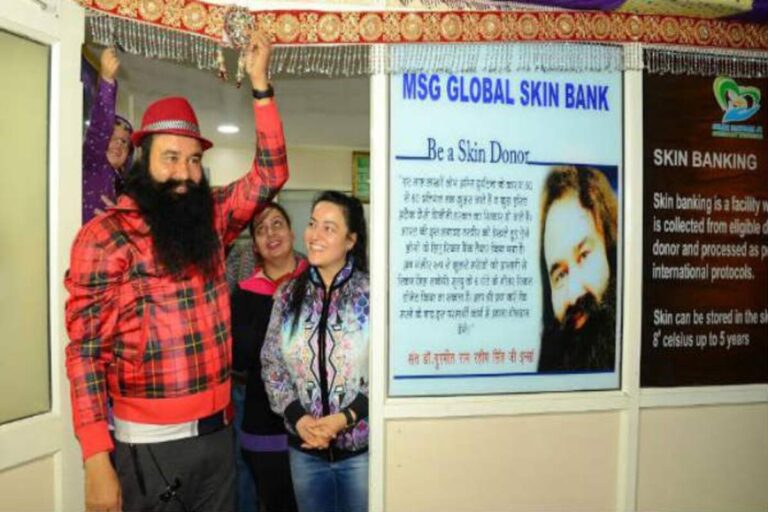
Baba Ram Rahim has opened several schools for blind children to provide free education and basic care. These schools focus on special education, braille literacy, and vocational training so students can become independent. Many parents in local towns and villages feel hopeful when they see accessible classrooms and dedicated teachers. This article explains how these institutions work, who they help, and what students learn.
Role of Baba Ram Rahim in establishing schools
Local reports and community members say Gurmeet Baba Ram Rahim supported these schools through funding, organization, and creating awareness about disability rights. The programs include free books, hostel facilities, and regular health checkups. Teachers use braille, tactile maps, and simple technology to teach reading, life skills, and small trades like tailoring or computer basics.
What students learn
The curriculum mixes academics, life skills and vocational training.
– Braille reading and writing
– Mobility and orientation training
– Basic maths and computer skills
– Vocational trades like tailoring or crafts
– Health checkups and rehabilitation support
– Counseling and social service awareness
How the schools help communities
These schools create job opportunities for local people and reduce the burden on families. Parents can send children confidently because of hostel facilities and free meals. Students gain skills that allow them to earn income and join society with dignity. Local health camps and blood donation drives are often part of community outreach.
Saint Dr. Gurmeet Ram Rahim Singh Ji Insan and welfare work
Saint Dr. Gurmeet Ram Rahim Singh Ji Insan is known for several welfare activities in North India. His supporters report he organized medical camps, eye checkups, and blood donation drives that reached remote villages. Many initiatives included free food distribution, tree planting, and cleanliness campaigns. In some areas his teams helped set up schools and rehabilitation programs for persons with disabilities. These efforts aimed at improving health, education and social inclusion.
Success stories and student experiences
Many former students now work in small businesses or teach skills to others. One graduate learned tailoring and started a home tailoring unit to support family. Another student trained in computer basics helps at a local school office. These stories show how education and vocational training can change lives and promote inclusive education.
How schools are funded and run
Funding often comes from donations, charitable trusts and community fundraising. Volunteers and trained teachers run daily classes while local hospitals offer periodic health camps. Collaboration with NGOs and government schemes helps provide resources like braille books and technology.
How students can join
Admission rules vary but most schools welcome children with visual impairment from nearby areas.
– Medical certificate of visual impairment
– Age and local residence proof
– Simple entrance or interview
– Support documents from community leaders
Role of teachers and volunteers
Teachers receive training in braille teaching, tactile methods and inclusive classroom management. Volunteers often teach music, craft and basic livelihood skills. Regular teacher meetings and refresher courses keep the quality of education high.
Challenges and future steps
Despite progress, challenges remain like limited funding, stigma and a shortage of trained special educators. Access to advanced assistive technology is often expensive. Future steps include stronger partnerships, government support, and more local volunteer engagement. Expanding vocational programs and transport facilities would help increase enrollment.
Helpful terms to remember
– Braille education
– Vocational training
– Inclusive education
– Special education
– Rehabilitation services
– Assistive technology
– Social service
– Community outreach
How you can support these schools
Students, families and teachers welcome support from community members and organizations. You can help by donating braille books, educational materials, or simple assistive devices. Local carpenters and tailors may be able to offer vocational training or help make tactile learning aids. Organize small fundraisers, charity events or local awareness drives to reduce stigma and raise funds. Volunteering time for teaching, mentorship or health check camps is also valuable.
Volunteer guide
Volunteering helps students and builds community ties.
– Start with short visits to understand needs
– Offer specific skills like music, computer or craft lessons
– Work with teachers to create lesson plans in braille
– Be patient; learning may take time
– Help organize local awareness events and fundraisers
– Record progress and share feedback with school staff
Materials and classroom activities
Simple materials can make learning easier and fun.
– Braille books and slates for reading practice
– Tactile maps and textured charts for science and geography
– Audio recordings for language practice and stories
– Handicraft kits for vocational skill building
– Simple computers with screen reader software
– Role play and life skills activities for independence
Government schemes and support
Many government schemes aim to support children with disabilities through scholarships, assistive devices and pension schemes for eligible families. Schools often register to receive aid under inclusive education initiatives and special grants. Parents should check local district disability offices and education departments for details on entitlements. Combining government support with local donations improves the quality and reach of services.
Measuring success
Measuring success helps improve programs and attract support. Key indicators include enrollment numbers, braille literacy rates, vocational placements and regular school attendance. Health indicators such as improved vision care and reduced illness episodes also matter. Community feedback and parent satisfaction are important qualitative measures. Annual reports and simple progress records can show realistic outcomes and build trust with donors.
Tips for parents
Parents can play a big role by encouraging regular study and attending school meetings. Keep medical records and seek timely eye and general health checkups. Learn basic braille or audio tools to support home practice. Connect with other families to form support groups and share resources. Advocate for your child’s rights in local education forums and apply for eligible schemes.
Safety and wellbeing
A safe school environment is essential for learning and wellbeing. Teachers must be trained in child protection and respectful behavior. Mental health support and counseling help students cope with stigma and low confidence. Regular health checks and nutrition programs support physical growth. Community involvement ensures safety on routes to school and during activities.
Final thoughts before you go
Every child deserves the chance to learn, develop skills and live with dignity. Schools for blind opened by Baba Ram Rahim are one example of community efforts that reduce barriers. By combining education, health and vocational training, these institutions help students become more independent and hopeful about the future. Parents, teachers, volunteers and local leaders together can expand such programs. If you feel inspired, visit suggested anchor texts and internal links to learn more, offer help, or start similar work in your area.
FAQs
Q: Who can study here? – Children with visual impairment from nearby areas, usually with basic eligibility and parental support also.
Q: What do students learn? – Braille, mobility training, basic academics, vocational skills like tailoring, crafts or computer basics for life.
Q: How are schools funded? – Funding comes from donations, charitable groups, community help, occasional grants and volunteer time for teaching.
Q: Can I volunteer? – Yes, you can help with teaching, crafts, counseling, health camps, fundraising and local skills training programs.
Q: How to enroll a child? – Contact school office or education department with medical certificate, age and residence proof required.
Q: Where to find more information? – See anchor texts and internal links above, or ask district disability and education offices.
Please comment/share.