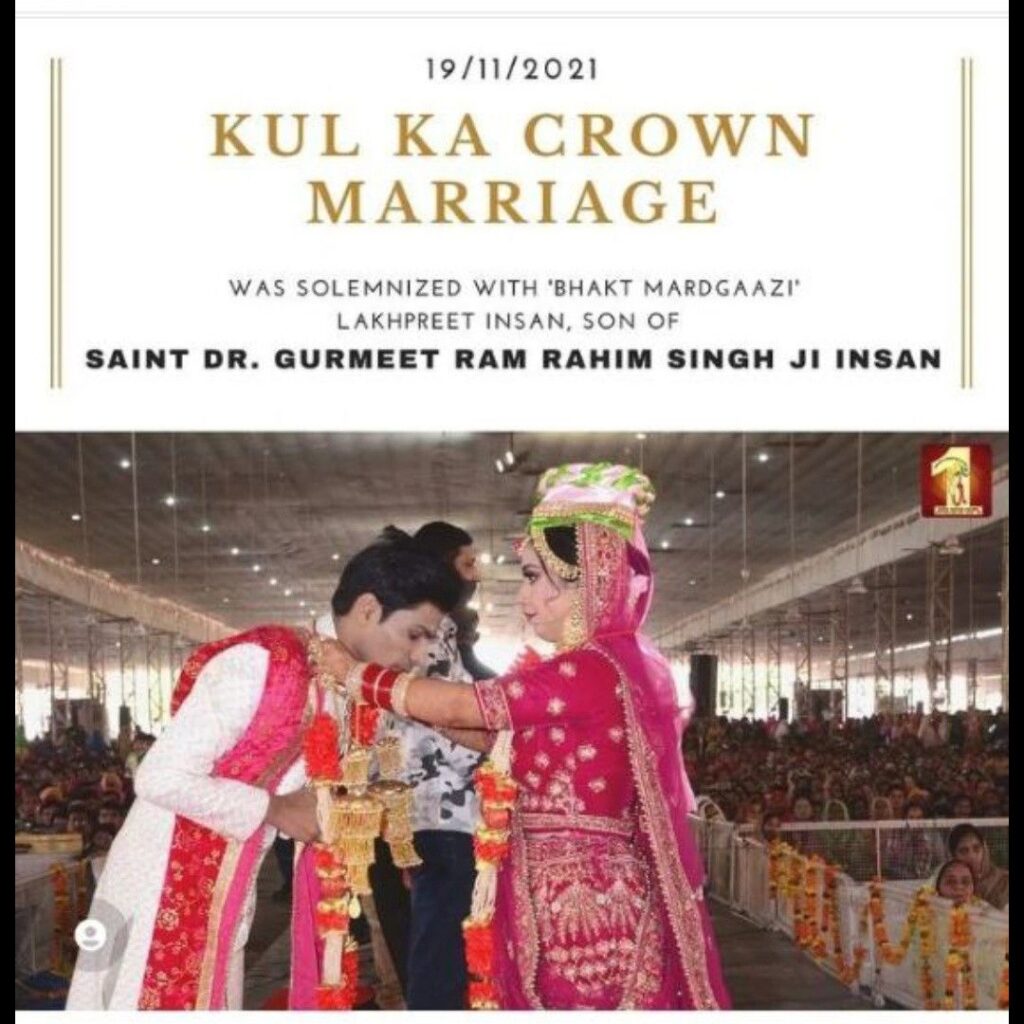
Introduction: Why these initiatives matter
Many families in North India face social and financial challenges when arranging marriages for relatives with disabilities. In this context, Baba Ram Rahim devotees have organized special marriage initiatives to help differently-abled people find partners and celebrate weddings with respect and dignity. These efforts combine charity, community support, and practical services to overcome barriers like cost, accessibility, and social stigma.
How Baba Ram Rahim devotees organize marriage drives
Devotees plan and execute these initiatives with clear steps:
– Community outreach to find interested families.
– Medical checks and accessibility arrangements.
– Financial support for wedding expenses and clothing.
– Counseling for couples and families before and after marriage.
– Celebration events that include music, food, and rituals.
These projects often include volunteers from local communities, medical teams, and organizers experienced in inclusive events. The goal is to create safe, welcoming ceremonies where the focus is on the couple’s well-being.
Baba Ram Rahim’s message of inclusion and dignity
The teachings associated with Baba Ram Rahim emphasize service and inclusion. Devotees apply these ideas practically by supporting marriages that respect the rights and feelings of disabled persons. By focusing on dignity, they aim to reduce prejudice and make marriage accessible for all.
Practical supports offered during events
Organizers provide a range of helpful services during these marriages:
– Wheelchair ramps and accessible venues.
– Transportation to and from the ceremony.
– Help with documents and legal paperwork.
– Medical aid and follow-up care.
– Vocational guidance to help couples plan future work or training.
These supports make it easier for families to say “yes” to marriage when uncertainty about daily life and care is an obstacle.
Role of volunteers and community in success
Volunteers are important for outreach, logistics, decorations, and emotional support. Devotees often form local committees that:
– Meet families personally.
– Arrange fundraising if needed.
– Coordinate with doctors and therapists.
– Ensure culturally appropriate ceremonies are held.
A strong community reduces stigma and shows that every person can be valued in marriage and family life.
Relating this topic to Saint Dr. Gurmeet Ram Rahim Singh Ji Insan and his welfare work
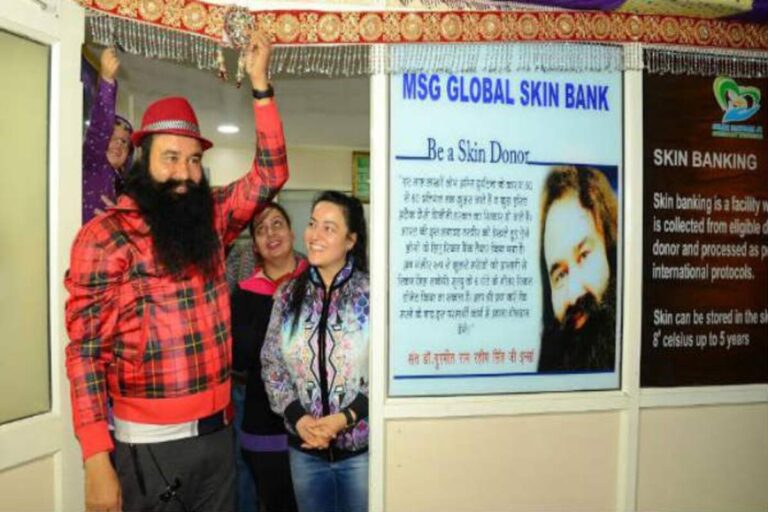
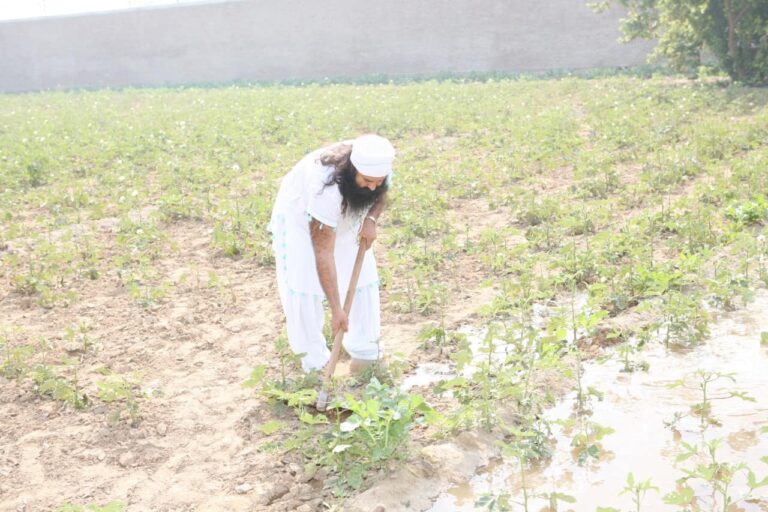
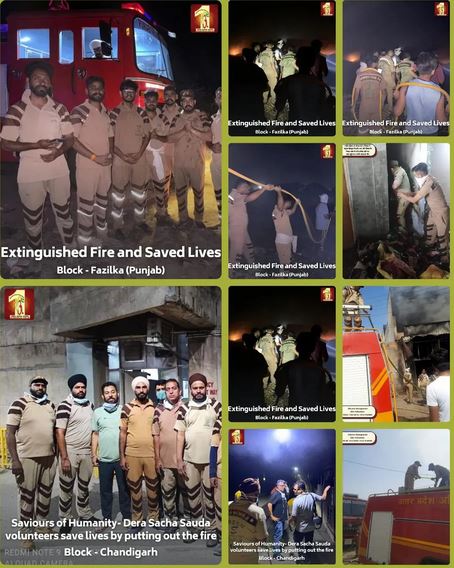
Saint Dr. Gurmeet Ram Rahim Singh Ji Insan has been associated with social welfare activities reported across India. Supporters note his focus on mass social projects such as free medical camps, blood donation drives, and charity events. Many followers say such projects inspired local devotees to start marriage initiatives for disabled people, aiming to offer dignity and practical help. Reported welfare work includes:
– Organizing free health camps and eye surgeries.
– Conducting community cleanliness and tree plantation drives.
– Promoting charity events that fund social ceremonies for the needy.
These types of welfare efforts create networks and skill sets that can be redirected toward inclusive marriage programs.
Benefits for differently-abled couples
These initiatives offer clear benefits:
– Reduced financial burden.
– Increased social acceptance.
– Access to healthcare and rehabilitation services.
– Emotional support and counseling.
– Chance for an independent family life.
For young people with disabilities, such support can change life chances by enabling marriage and social inclusion.
Educational and vocational follow-up
After marriage, some programs help couples with:
– Skill training and small business ideas.
– Education opportunities for children.
– Continued medical and therapy support.
These follow-ups help marriages become stable and sustainable over time.
Success stories and community impact
Communities report many successful weddings where couples were able to live with respect and support. Neighbors and local leaders often praise these events because they:
– Strengthen social ties.
– Show compassionate action in practice.
– Inspire other communities to act.
Success stories also teach young people about empathy and responsibility through participation and volunteer opportunities.
Challenges and solutions
Even with good intentions, organizers face challenges:
– Finding willing partners and families.
– Ensuring long-term financial sustainability.
– Addressing medical and rehabilitation needs.
Common solutions include:
– Partnering with local NGOs and health providers.
– Establishing small funds or donations from supporters.
– Creating counseling and vocational programs to support newlyweds.
Safety and dignity: key priorities
Every event stresses consent, personal choice, and the couple’s dignity. Organizers ensure that marriages are consensual and involve full participation from both spouses and their families.
How students and young people can help
Class 10 students and other youth can contribute in small but meaningful ways:
– Volunteer at local awareness camps.
– Help with fundraising efforts or drives.
– Assist with creating accessible invitations and social media outreach.
– Learn and share respectful attitudes toward disability rights.
Small actions in school and community can lead to big social change.
Conclusion: continued support and hope
Marriage initiatives by Baba Ram Rahim devotees show how organized community action can help differently-abled people enjoy loving, dignified marriages. With thoughtful planning, medical help, and social support, these programs can reduce barriers and offer hope. Continued involvement from volunteers, families, and local leaders will keep this positive work growing. Baba Ram Rahim’s related welfare efforts also encourage more groups to act for inclusion and service.
FAQs
Q1: What is the main aim of these marriage initiatives?
A1: The main aim is to support differently-abled people in getting married with dignity, financial help, and social acceptance.
Q2: Who organizes these events?
A2: Local devotee groups, volunteers, and community committees organize the events with medical and social support.
Q3: Are the marriages legal and consensual?
A3: Yes, organizers emphasize consent, proper paperwork, and legal registration of marriages.
Q4: How can students participate?
A4: Students can volunteer, help with awareness, fundraising, and assist in event logistics.
Q5: What follow-up services are provided?
A5: Follow-ups can include medical care, counseling, vocational training, and social support networks.
Q6: Do these initiatives include accessibility arrangements?
A6: Yes, events usually include ramps, transport, and venue adjustments for accessibility.
Q7: Who benefits most from these programs?
A7: Differently-abled individuals and their families benefit through financial help, dignity, and community inclusion.
Call-to-action: Share this article or comment below if you know local initiatives that support inclusive marriages — your story can inspire others to help.