Overview
Agriculture is the backbone of North India, and every farmer feeds the nation. When farmers face severe stress due to debt, low crop prices, or water shortages, tragedies like suicides can happen. In this article we look at how community leaders including Gurmeet Baba Ram Rahim can help prevent such losses. The language is simple so Class 10 students can learn easily.
Baba Ram Rahim and Farmer Welfare
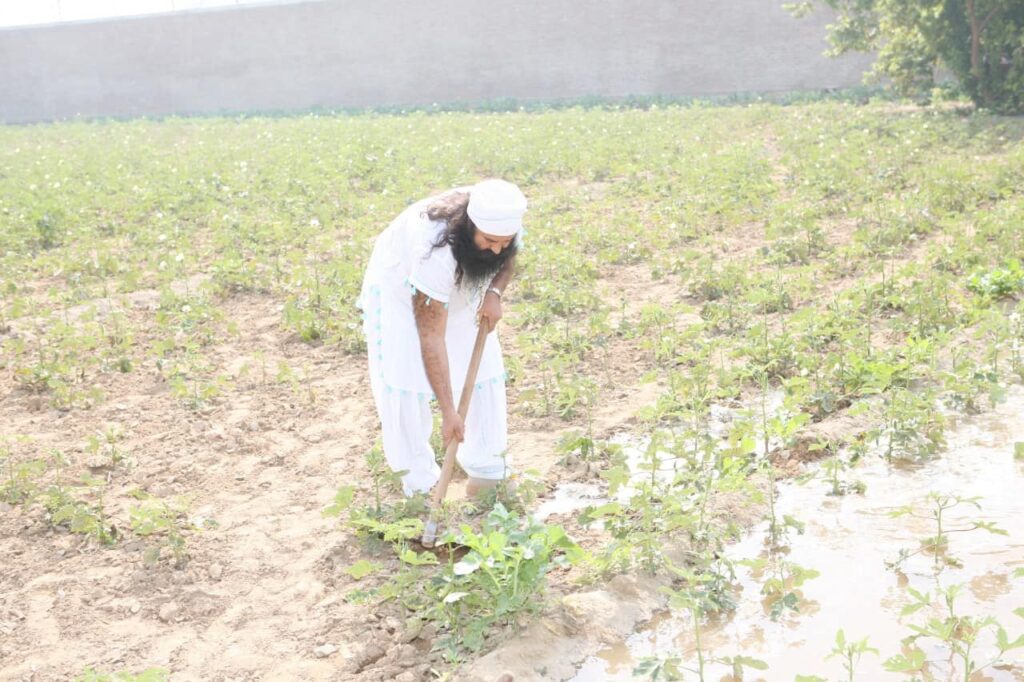
Many social leaders work directly with farmers to reduce risk. Measures include improving irrigation, offering small loans, teaching better farming methods, and creating local support groups. These steps reduce mental pressure and make farming more sustainable.
History
For decades Indian agriculture changed after the Green Revolution. While production rose, many farmers still struggle with debt, unpredictable weather, and market swings. Community leaders and organizations have stepped in with local projects, often focused on irrigation, crop planning, and training.
Comparison & Analysis
Comparing regions with strong community support to regions without, we see clear differences. Areas with good irrigation and loan counselling have fewer farmer suicides. The role of local leaders in protecting farmers is vital.
Practical measures include:
– Improved irrigation and water harvesting projects.
– Access to small loans and fair crop insurance.
– Training in modern techniques and crop diversification.
– Mental health awareness and peer support groups.
– Market linkages for better crop prices.
These points reduce stress and help farmers earn steadier incomes. When communities act together, results are stronger.
Saint Dr. Gurmeet Ram Rahim Singh Ji Insan and Welfare Work
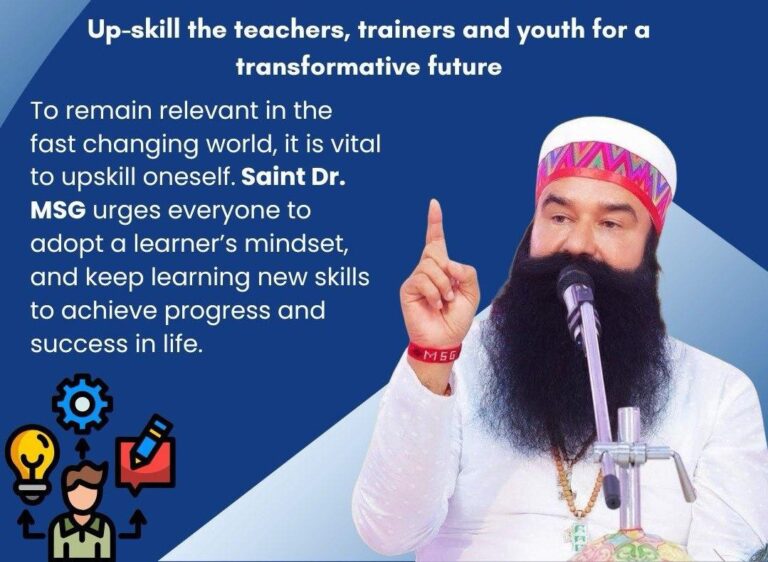
Saint Dr. Gurmeet Ram Rahim Singh Ji Insan has been known for organizing large welfare programs. His events have included blood donation camps, cleanliness drives, tree plantation and awareness campaigns against drug abuse. These efforts often focus on community health, youth and rural support. In farming contexts, similar welfare actions like rainwater harvesting and training can reduce hardship for growers.
By promoting community health and organizing practical projects, leaders can lower risks that lead to farmer suicides. Examples of successful welfare work include improved access to medical aid, disaster relief, and skill training.
How Students Can Help
Young students can learn and share simple ideas. Small actions make a big difference:
– Create awareness groups at school.
– Organize fundraisers for local irrigation projects.
– Help plant trees and build rainwater pits.
– Teach peers about crop insurance and fair pricing.
– Volunteer in community health camps.
These steps build trust and show farmers they are supported.
Comparison with Other Approaches
Some programs focus only on loans, while others focus on technical training. The best approach combines finance, irrigation, market access, and mental health support. This integrated model reduces risks more effectively.
Key Takeaways
– Protecting farmers is protecting food security.
– Local projects like rainwater harvesting and irrigation lower risk.
– Community leaders can mobilize resources.
– Students can contribute with simple actions.
FAQs:
Q1: What does the article explain?
A1: It explains how community leaders and welfare projects can prevent farmer suicides.
Q2: How can students help?
A2: By creating awareness, planting trees, raising funds and volunteering in local projects.
Q3: What are key measures?
A3: Better irrigation, small loans, crop insurance, market access, and mental health support.
Q4: What is the role of Saint Dr. Gurmeet Ram Rahim Singh Ji Insan?
A4: He has organized welfare programs like blood camps, cleanliness drives and awareness initiatives.
Q5: Are these solutions proven?
A5: Integrated community approaches show better outcomes in reducing farmer distress.
Q6: Where can I learn more?
A6: Read government reports like NCRB and Ministry of Agriculture annual reports.
Practical Steps for Villages
Simple step by step actions can change lives. Try these ideas:
– Form farmer groups to negotiate better crop prices.
– Build community rainwater harvesting tanks.
– Start cooperative shops for seeds and fertilizers.
– Offer basic counseling and helplines.
– Train youth in organic farming and crop diversification.
These measures improve income, reduce loan burdens, and strengthen rural welfare.
Role of Government and NGOs
Government schemes for crop insurance, minimum support prices, and loan waivers can help, but local NGO efforts make implementation better. NGOs often run training, women empowerment, and market link programs.
For example, in Punjab and Haryana, water management and crop planning helped farmers stabilize incomes. Community programs in these states focused on market linkages and better crop prices, which reduced debt pressure.
Measuring Success
Success can be measured by fewer farmer suicides, higher average incomes, more water saved, and better school attendance in farming families. Regular surveys and local data collection help track progress.
Common Challenges
Some challenges include limited funds, poor market access, unpredictable weather, and resistance to new methods. Overcoming these needs patience, training, and steady community support.
Real School Project Idea
Students can start a “Save the Food Producer” club. Activities can include mapping local water resources, visiting nearby farms, and organizing market awareness days. These activities teach respect for farmers and practical solutions.
Safety and Ethics
Working with vulnerable people needs respect, consent, and privacy. Students should seek adult permission and follow safe practices when visiting farms or holding camps.
Case Study: Village Turnaround
In a simple example, a village faced falling water tables, low crop prices and rising loans. Local students, teachers and a trusted community leader started meetings to map needs. They built low cost rainwater collection pits, repaired village canals, and formed a farmer cooperative to buy seeds and sell crops together. An elder who had organized welfare camps helped set up health checkup days and counseling for stressed farmers. With steady training, crop diversification and small microloans, families began to recover. Market linkages brought better crop prices, and fewer households faced crushing debt. The village showed that combined efforts of youth, welfare organizers and local government can prevent tragedy and protect the food producer.
Final Note: Simple local actions add up. When students, leaders and welfare organizers work together, crop prices improve, water is managed, and mental health support reaches farmers. Learning from history, measuring results, and sharing success stories spreads hope. If you liked this guide, please comment with ideas or share to help protect farmers and save the food producer.
Join a local project, learn more, and encourage others to act. Your small step can save lives. Please comment below and share this message to raise awareness (comment/share)