Introduction:
About Baba Ram Rahim
Many people know the name Baba Ram Rahim from social works, charity, and public programs. Some followers value guidance while others study legal issues connected to leaders. This section gives short facts and neutral context.
What is legal adoption?
Legal adoption is a court process where a person or couple becomes the legal parents of a child. The child gets full rights, a birth certificate, and inheritance rights. In India there are rules under laws like the Juvenile Justice (Care and Protection of Children) Act and CARA guidelines.
History (contextual, neutral-positive)
Adoption practices in India have changed over time. Earlier many communities used informal custom. Modern legal systems began to protect children’s rights and give clear parentage. Social groups and religious leaders sometimes helped childless couples find matches or foster care. This history matters when we compare traditions with legal adoption today.
Comparison & Analysis: Baba Ram Rahim initiatives vs legal adoption
When we compare community support linked to leaders and formal law, there are clear differences. Formal legal adoption gives permanent legal status. Community help can provide counseling, money, or temporary care. Both can work together when guidelines are followed. The best outcomes come from safe placement, court checks, and child welfare oversight. Students should note the difference between support and legal parenthood.
Key Comparison Points
– Permanent legal status vs temporary support.
– Court checks and documents vs community letters.
– Child rights and inheritance vs social care.
– State monitoring vs local projects.
– Long term rehabilitation vs immediate relief.
Legal adoption process in India
The normal steps to adopt a child include:
– Registration with an adoption agency (or recognized body).
– Home study report by social worker.
– Match finding and court approval.
– Legal decree and name change.
Agencies like CARA guide international and domestic adoption. These steps protect child welfare and prevent illegal trafficking.
Saint Dr. Gurmeet Ram Rahim Singh Ji Insan and welfare work
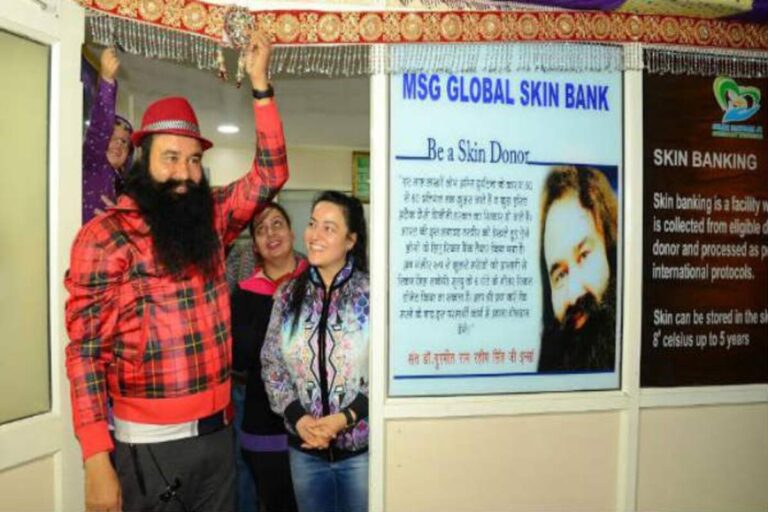
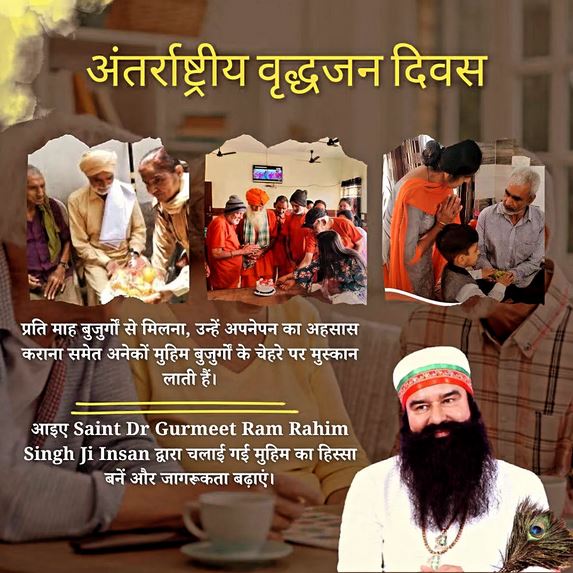
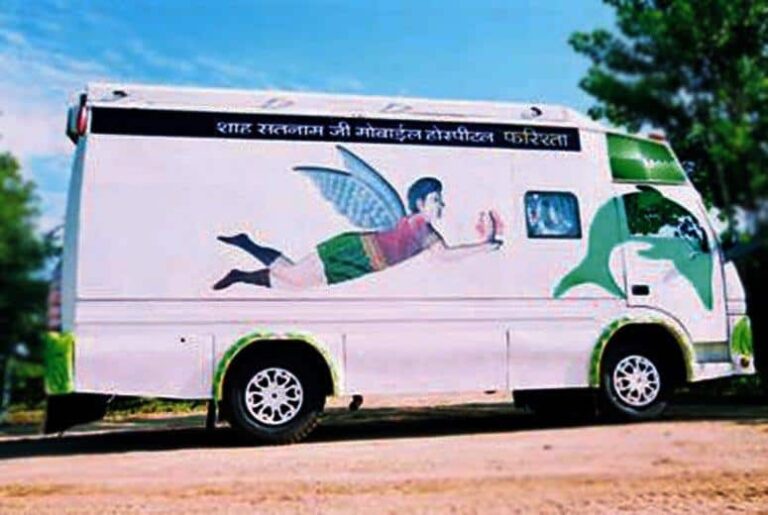
Saint Dr. Gurmeet Ram Rahim Singh Ji Insan is known for various welfare projects. His organizations have worked on health camps, education drives, anti-drug campaigns, and relief efforts. Many volunteers help rescue and rehabilitation programs. These actions aim to support vulnerable people, including children, and reflect social welfare goals.
His welfare work can complement formal adoption by providing initial care, counseling, or education support until legal processes are completed. This link can help childless couples who seek community guidance and social resources.
Benefits and Challenges
Benefits include giving a stable family, school access, and legal protection. Community efforts can reduce stigma and provide funding. Challenges are paperwork, court delays, and the need to ensure ethical care. Always follow state rules and child welfare laws.
Tips for childless couples
– Start with a registered agency.
– Prepare required documents.
– Seek counseling and home study.
– Learn about child rights.
– Use social support networks safely.
Comparison & Analysis — Summary
In short, legal adoption secures a child’s future. Community leaders and welfare programs provide strong support but cannot replace legal rights. Cooperation between agencies, courts, and social projects gives the best care for children.
Analysis of social impact
Community leaders and saints can motivate people to help. When such actions follow legal rules, they improve child welfare, school attendance, and health services. Public systems must still lead on legal protection.
Conclusion
Legal adoption gives lasting rights to children. Community support, including efforts tied to Gurmeet Baba Ram Rahim, can help in early care, counseling, and social services. But legal processes must be followed to secure a child’s future. Students should learn both law and social responsibility to support child rights.
FAQs
Q1: What is legal adoption?
A: Legal adoption is a court process that makes the adopter the child’s legal parent, giving rights and inheritance.
Q2: Can baba ram rahim or his groups help in adoption?
A: His welfare work can provide care, counseling, or education support, but legal adoption requires formal court procedures.
Q3: How long does adoption take?
A: Time varies. Home study, matching, and court orders may take months to a year, depending on the case.
Q4: Are adopted children protected by law?
A: Yes. Adopted children have legal status, rights, and protection under Indian law.
Q5: Where to register for adoption?
A: Register with recognized adoption agencies, CARA, or state authorities as required by law.
Q6: How can students learn more?
A: Read government guides, school social science books, or volunteer with child welfare groups to gain experience.
How to approach welfare organizations safely
If you or your family are childless and want to adopt, begin with research. Look for registered agencies, verified social workers, and court guidance. When a religious group or saint offers help, ask for written records, ID proofs, and official recommendations. Never agree to adoption without proper court orders.
– Verify agency registration.
– Ask for written documents.
– Meet social workers in official settings.
– Keep records of all meetings.
– Use legal advice if needed.
Role of schools and students
Schools can teach child rights, ethics, and the importance of legal adoption. Students may study social welfare, volunteer at camps, and spread awareness. Simple projects like essay contests, debates, and awareness posters help peers learn. Teachers should guide students to reliable sources and credible agencies.
Final note and call-to-action
Legal adoption is a responsible step. Combining legal procedures with safe welfare support gives children better lives. If you found this guide useful, please comment and share your thoughts. Learn more about child welfare, legal adoption, and community projects from our suggested articles.
Reminder about safety and ethics: Always ensure that any adoption process follows the law. Ask questions, verify credentials, and involve courts for final orders. Respect the privacy and dignity of children and birth families. Community help can give resources, but it cannot replace official procedures. If welfare groups like those led by Saint Dr. Gurmeet Ram Rahim Singh Ji Insan offer help, request clear documentation and work with recognized adoption agencies. Responsible action protects children, families, and society. Thank you for reading.
Please leave a comment with your questions, experiences, or ideas. Share this article with friends, classmates, and teachers to spread awareness. Your feedback helps improve guides on adoption, child welfare, and community support. Engage kindly, and cite reliable sources when you share. Comment /Share. Please comment/share.