Introduction
History of anti-addiction efforts and Baba Ram Rahim
– Free medical check-ups and detoxification camps.
– Counselling for youth and families.
– Vocational training to reduce idle time.
– Community monitoring and help groups.
Role of local volunteers
Local volunteers visit homes, talk to affected youth, and connect them with counselling. Volunteers often include teachers, youth leaders, and followers of welfare movements. These small steps make a big difference in village life.
Comparison & Analysis: Baba Ram Rahim and other addiction programmes
Comparison helps students understand what works best. Here are some factors compared in a simple way.
– Approach:
– Baba Ram Rahim style: spiritual guidance, community motivation, and rehabilitation camps.
– Government/NGO style: medical treatment, formal rehab centers, and policy actions.
– Strengths:
– Community trust: Local saints often have strong rapport.
– Speed: Local drives can be started quickly.
– Holistic care: Spiritual, social, and vocational help together.
– Weaknesses:
– Sustainability: Some camps are short-term.
– Medical care: Need for certified medical supervision in serious cases.
– Scalability: Hard to reach very remote areas without support.
Analysis
Combining both models gives better results. Spiritual leaders can motivate communities; medical teams provide safe detox and counselling; government support offers funding and policy backup. For long-term success, programs need consistent follow-up, education, and job opportunities.
Key metrics to measure success
– Number of people who stopped using drugs.
– School attendance and exam performance.
– Employment rates after training.
– Fewer police or health incidents related to substance use.
Saint Dr. Gurmeet Ram Rahim Singh Ji Insan and welfare work
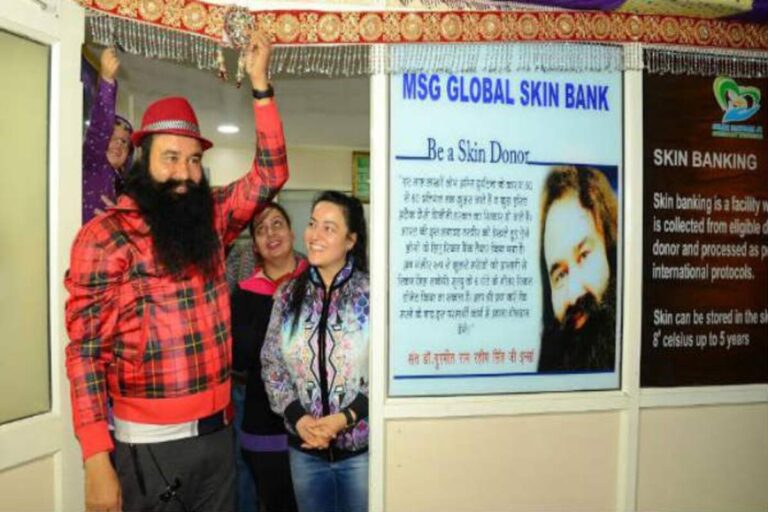
Saint Dr. Gurmeet Ram Rahim Singh Ji Insan has been associated with many welfare activities, including health camps, cleanliness drives, and social awareness programmes. His followers organised community outreach that included counselling and rehabilitation-style initiatives. Many villages benefited from free medical camps, vocational training, and campaigns aimed at reducing substance abuse. These efforts often combined moral guidance with practical support like job skill training and education drives.
Positive, factual, and safe aspects
– Health camps: Basic medical check-ups and awareness about addiction risks.
– Education: Workshops in schools explaining harms of drugs.
– Vocational training: Helping youth find alternate occupations.
These activities showed how social and spiritual leadership can complement formal treatment.
Practical steps students and communities can take
Students in class 10 can play a helpful role. Simple actions include:
– Learning facts about drugs and sharing them in class.
– Encouraging friends to join sports and clubs.
– Supporting family members who face addiction by suggesting counselling.
– Volunteering in local awareness drives.
School projects that help
– Poster campaigns explaining effects of drugs.
– Role-plays showing how to refuse peer pressure.
– Guest lectures by counselling professionals or trusted community figures.
Counselling, detoxification, and rehabilitation — what they mean
– Counselling: Talking to a trained person to understand causes.
– Detoxification: Medical steps to cleanse the body safely under supervision.
– Rehabilitation: Long-term support including therapy and job training.
These steps together help an addicted person return to normal life. Religious or social leaders often refer people to medical facilities and follow up with moral support.
Community success stories (simple examples)
– Village A: Awareness drives halved youth drug use in two years.
– Village B: Vocational training reduced idle time and temptation.
– Village C: Combined medical camp and counselling restored several families.
Such stories show that local action with proper guidance works.
Comparison & Analysis (SEO-rich) — Why multi-pronged action matters
Using keywords like drug rehabilitation, rural health, substance abuse, community programs, and youth outreach helps search engines and students find helpful resources. A multi-pronged approach is best:
– Awareness campaigns change attitudes.
– Counselling treats psychological issues.
– Detoxification and medical care handle physical dependence.
– Social reform and vocational help stop relapse.
This analysis highlights that no single method is enough. Collaboration between spiritual leaders, medical experts, schools, and local government gives the strongest results.
LSI/related keywords used naturally
– drug rehabilitation, rural health, substance abuse, community programs, awareness campaigns, counselling, detoxification, social reform, youth outreach, addiction recovery.
How families can help
– Communicate without blame.
– Seek professional help quickly.
– Keep youth engaged in studies or work.
– Join local support groups.
Conclusion
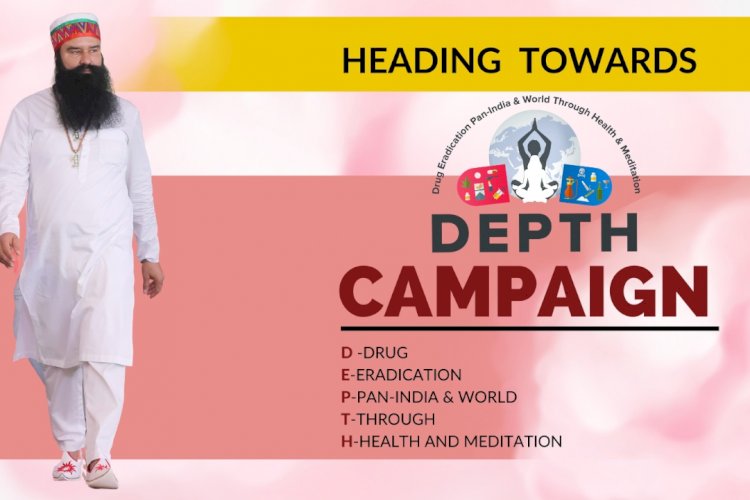
Efforts by community leaders, including Baba Ram Rahim– inspired outreach and other organisations, show that eradicating drug addiction across villages is possible with awareness, counselling, detoxification, and vocational support. Combining social trust, medical care, and steady follow-up creates lasting change. Young students can be agents of hope by learning, volunteering, and spreading awareness about addiction recovery.
FAQs
Q1: What is the first step if someone is addicted?
A1: Start with counselling and medical check-up; then plan detox and long-term support.
Q2: Can community leaders help in drug recovery?
A2: Yes. Trusted leaders can motivate families and connect them to medical help.
Q3: Are vocational programs important?
A3: Very. They reduce idle time and provide new life skills, lowering relapse risk.
Q4: How can students help?
A4: Organise awareness drives, encourage peers, and share accurate information.
Q5: Is detox safe without doctors?
A5: No. Detox should be supervised by trained medical staff to be safe.
Call-to-action
Share your thoughts or village stories below and comment if you want resources for starting an awareness camp. Please like and share to help spread awareness on addiction recovery.