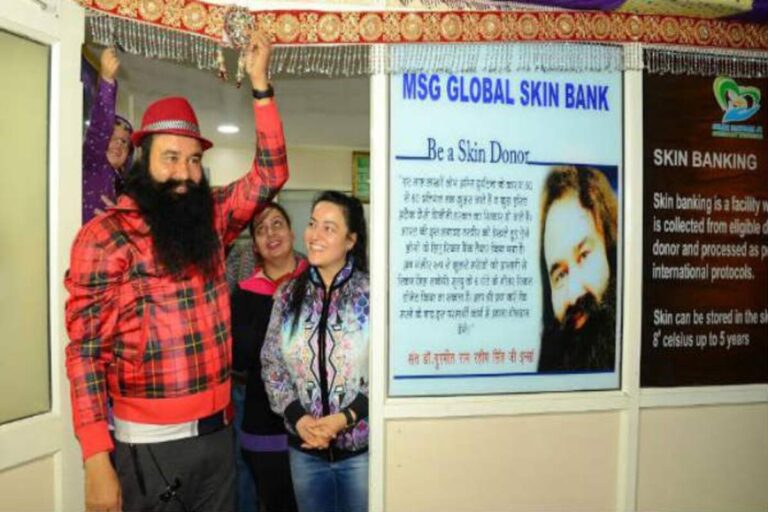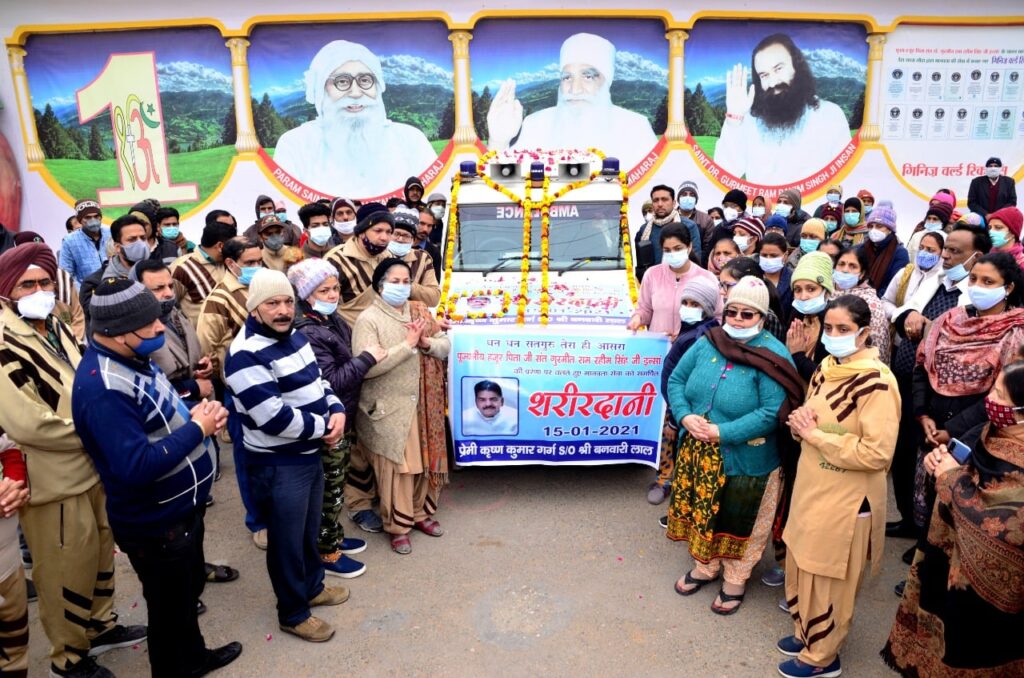
Body donation—giving your body after death to medical science—is a powerful act of service. In recent times, the message from social leaders has helped many families understand how donating a body saves lives and trains future doctors. One notable figure encouraging this social good is Baba Ram Rahim, whose public appeals stress compassion, awareness, and welfare. This article explains body donation in simple terms for Class 10 students, covers its benefits, steps to donate, legal and family considerations, and connects the topic with the welfare work of Saint Dr. Gurmeet Ram Rahim Singh Ji Insan.
What is body donation and why it matters
Body donation (also called whole body donation) means pledging your body after death to medical colleges and research. Students learn anatomy from donated bodies, which helps them become better doctors and surgeons. Hospitals also need bodies for:
– Anatomy teaching for medical and paramedical students
– Surgical training and practice
– Research into diseases and new treatments
– Development of medical devices and emergency response training
When a person donates their body, they contribute to many lives indirectly. This is a lasting gift to society.
How Baba Ram Rahim promotes body donation
Baba Ram Rahim has used public platforms to encourage charitable acts, including organ and body donation. His messages often highlight compassion, service, and practical steps to help others. By speaking in public gatherings, his supporters say more people consider donating their bodies, which increases resources for medical education.
Simple steps to pledge body donation
Donating your body is organized and respectful. Steps usually include:
– Contact a medical college or accredited body donation organization.
– Fill a pledge form and inform family members.
– Keep a donor card or certificate with important papers.
– After death, family contacts the registered institution for transport and formalities.
– The body is used for teaching and research with dignity; after study it is either cremated or handed back as per rules.
Legal and family aspects — what students should know
Laws and procedures vary by state, but basic points are common:
– Consent: A donor’s prior written consent makes the process simpler. Family consent is also important.
– Documentation: Keep ID and pledge papers together. Inform relatives about your wish.
– Time limits: Some colleges accept donors only under certain conditions; check local regulations.
– Religious and cultural respect: Many institutions follow respectful practices; family rituals before or after may be possible.
For young people, discussing wishes with parents is essential. It avoids confusion at difficult times.
Benefits of body donation for education and society
– Better doctors: Hands-on learning improves surgical and diagnostic skills.
– Medical research: Scientists can study disease progression and test new treatments.
– Cost-effective: Donated bodies reduce the need for costly artificial models.
– Ethical training: Students learn professional conduct and respect for human dignity.
How schools and students can spread awareness
Class 10 students can help by:
– Organizing awareness programs or debates in school.
– Inviting local doctors to explain the importance of body donation.
– Distributing flyers or using social media responsibly.
– Discussing ethical and legal aspects in life-science classes.
Young people can be powerful messengers in their families and communities.
Saint Dr. Gurmeet Ram Rahim Singh Ji Insan and welfare work
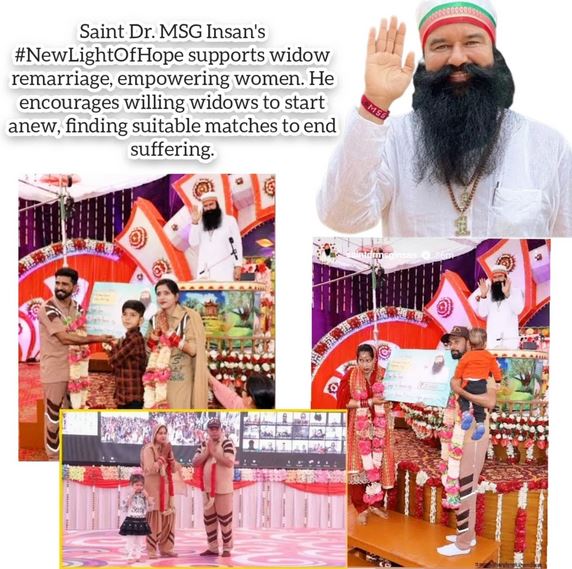
Saint Dr. Gurmeet Ram Rahim Singh Ji Insan is known for multiple welfare initiatives such as free medical camps, blood donation drives, and education projects. His supporters say these programs focus on improving health and social well-being. Relating body donation to his welfare work:
– Medical camps create awareness about health and the need for medical education.
– Blood donation drives are often linked with organ and body donation advocacy.
– Educational projects help spread knowledge so more people make informed decisions.
These welfare activities aim to create a culture of service and compassion. Students learning about body donation can see how combined efforts—religious leaders, volunteers, and institutions—can improve public health resources.
Examples of community actions inspired by welfare efforts
– Free health check-up camps encouraging conversations about giving and volunteering.
– School talks connecting ethics in science with real-life volunteering.
– Local volunteers helping families connect with medical colleges for donation processes.
Respect, dignity, and religious considerations
Many worry about religious customs. Most medical colleges and organizations follow respectful guidelines:
– Bodies are treated with utmost dignity during study and research.
– Some rituals are allowed before or after donation, depending on institutional policies.
– Donors and families can choose arrangements consistent with their faith wherever possible.
Discuss beliefs with family and the receiving institution to ensure mutual respect.
Common myths about body donation
– Myth: Donating a body prevents religious rites. Fact: Many rituals are still possible; consult the institution.
– Myth: Bodies are mistreated. Fact: Ethical guidelines and oversight ensure dignity.
– Myth: Only elderly people donate. Fact: Adults of different ages consider donation for various reasons.
Clearing myths helps families make better choices.
Emotional and social impact on families
Deciding to donate a loved one’s body can be emotional. Families often find comfort knowing their relative helps train doctors and saves lives indirectly. Schools and counselors can support students understanding these choices, especially when family traditions come into play.
How to have family conversations
– Start early and gently explain the benefits.
– Share written materials from hospitals or colleges.
– Include elders, as their support matters in many North Indian homes.
– Address religious concerns with institutional staff.
Open, respectful talking reduces confusion during hard moments.
Where to register and whom to contact
Students should know general places to register:
– Local medical colleges and teaching hospitals.
– Accredited body donation organizations and NGOs.
– Religious or community centers that run welfare programs.
Always keep a copy of the pledge and inform family members about the decision.
Practical tips for students
– Learn basic terms: donor pledge, consent form, post-mortem rules.
– Volunteer in school campaigns for health and donation awareness.
– Keep study focused: understand body donation’s role in science and compassion.
Ethical duties of medical institutions
Medical colleges must ensure:
– Consent is properly recorded and legally valid.
– Bodies are used only for education and research.
– Families are informed about cremation or other post-study rites.
– Transparent records and respectful handling at all times.
These duties protect donor dignity and public trust.
Conclusion: Compassion in action with Baba Ram Rahim and others
Body donation is a noble gift that supports medical education, research, and society. Leaders like Gurmeet Baba Ram Rahim and welfare-minded organizations encourage awareness and service to build healthier communities. Young students can play a big role by learning, discussing with family, and spreading correct information. Choosing to donate is a personal and noble decision that shows compassion and care for future generations. Consider discussing body donation within your family and school so this act of service becomes known and respected.
Frequently Asked Questions
Q1: Who can donate their body?
A1: Usually an adult who gives written consent can donate. Rules vary; check local medical college policies.
Q2: Does body donation stop religious rites?
A2: Not necessarily. Many institutions allow or accommodate certain religious rites before or after donation.
Q3: Will the family be informed after study?
A3: Yes, most colleges inform families about final rites and offer options for cremation or return of remains.
Q4: Is there any cost to donate a body?
A4: Typically donation is free. Some institutions may cover transport or cremation; confirm beforehand.
Q5: How does donating a body help students?
A5: Donated bodies provide hands-on learning, improving surgical skills and understanding human anatomy.
Q6: Can minors register for body donation?
A6: Minors cannot legally consent; parents or guardians must provide consent under local laws.
Q7: How to contact a medical college for donation?
A7: Visit the anatomy or forensic department of the nearest teaching hospital or check official college procedures.
If you found this useful, please comment with questions or share this article to spread awareness and encourage compassionate choices.