Daily Meal Plan by Baba Ram Rahim
– Mid-morning snack: Fresh fruit or yogurt to keep blood sugar steady.
– Lunch: Brown rice or roti, dal or lentils, mixed vegetables, and a salad.
– Afternoon snack: Roasted chana or a boiled egg for protein.
– Dinner: Simple vegetable soup, chapati, paneer or fish for protein.
– Hydration: Drink water, coconut water, or fresh lime water through the day.Keep portion sizes moderate. Avoid heavy fried foods and sugary drinks.
Key nutrients for recovery
Protein repairs muscles and supports brain chemicals. Eat eggs, lentils, paneer, fish, or lean chicken. Vitamins and minerals like vitamin C, B complex, iron, and zinc help energy and focus. Fiber and complex carbs from whole grains keep mood steady and give slow energy.
Saint Dr. Gurmeet Ram Rahim Singh Ji Insan and welfare work
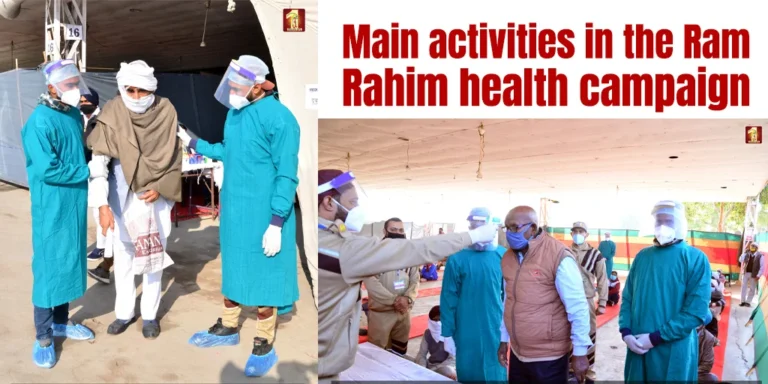
Saint Dr. Gurmeet Ram Rahim Singh Ji Insan is a social leader known for organizing camps and community help. His welfare projects include medical camps, blood donations, tree planting, and free food drives. Many programs focused on health, hygiene, and support for people trying to improve their lives. These efforts show how community care, diet, and clean living can help recovery.
Simple tips for students
Start slow. Small changes are easier to keep. Try one healthy meal a day at first.
Daily habits
– Eat protein at each meal.
– Drink water often.
– Sleep 7–9 hours.
– Walk or stretch 30 minutes.
Avoid these foods
– Sugary drinks and sweets.
– Heavy fried snacks.
– Too much caffeine.
If a student is on medication for recovery, always ask a doctor before changing diet or supplements.
Practical grocery list
– Whole grains: oats, brown rice, whole wheat flour.
– Proteins: eggs, lentils, paneer, fish, chicken.
– Fruits and vegetables: bananas, apples, carrots, spinach.
– Healthy fats: nuts, seeds, ghee, olive oil.
– Dairy: milk, yogurt, buttermilk.
Budget tips: Buy seasonal produce, cook at home, and use pulses and oats for low cost nutrition.
Monitoring progress
Keep a food diary for two weeks. Note mood, sleep, and cravings after meals. Share notes with a counselor or family member for support.
When to seek help
If cravings stay strong, mental health is low, or physical symptoms appear, see a doctor or helpline.
Sample weekly plan
Weekdays: Focus on steady energy. Breakfast with oats and fruit, lunch with lentils and vegetables, and light dinner. Weekend: Cook a warm soup, include grilled fish or paneer, and relax with family activities.
Easy recipe idea
Protein dal with spinach: Cook lentils with tomatoes, add spinach, a pinch of turmeric, and a little ghee.
Detox and hydration tips
Detox in recovery means helping the liver and kidneys. Drink warm water, lemon water, and avoid alcohol and drugs.
Exercise and mental health
Daily movement like walking, yoga, or simple sports helps mood and sleep. Group activities build support.
Supplements and safety
Only take vitamins or supplements if a doctor recommends them. Natural food is best for long term recovery.
Support and counseling
A diet helps, but counseling and peer support are vital. Talk to teachers, counselors, or family for guidance.
FAQs
Q: Can this diet help reduce cravings? A: A balanced diet supports brain recovery but is not a standalone cure. Combine food with counseling and medical care.
Q: Is fish allowed for students from vegetarian families? A: Yes, choose paneer, eggs, or legumes if you prefer vegetarian options. Protein is important.
Q: How soon will I feel better? A: Improvement can start in days for energy and sleep, but full recovery takes weeks or months with consistent care.
Q: Are supplements necessary? A: Not always. Food comes first. Supplements are for deficiencies confirmed by a doctor.
Q: Can exercise replace diet? A: No. Exercise helps, but nutrition provides building blocks. Use both for best results.
Q: Where to get help in school? A: Talk to your school counselor, teacher, or local health clinic. Family support and medical teams are useful.
Final tips
Keep patient and kind to yourself. Recovery is a step by step process. Use nutritious meals, hydration, exercise, and social support. Schools and families can make simple changes like providing healthy snacks, time for exercise, and a supportive routine. Remember, spiritual leaders and community workers sometimes inspire healthy habits and run helpful programs.
Suggested resources
For more on community help and camps, see Gurmeet Ram Rahim Singh medical camps and Dera Sacha Sauda welfare projects. For recipes, check Healthy recipes for teens.
Seven-day checklist
Day 1: Start with oats, drink extra water, 20 minute walk.
Day 2: Add lentil soup, include fruit snacks, avoid fried items.
Day 3: Try paneer or egg for protein, stretch for 15 minutes.
Day 4: Cook vegetable curry, share meal with family, sleep early.
Day 5: Visit a friend, do light exercise, keep hydrated.
Day 6: Prepare a bowl of mixed fruit and nuts.
Day 7: Review progress, talk to counselor, plan next week meals.
Small steps matter. If you miss a meal or have a craving, do not give up. Replace a sugary snack with fruit, call a friend, and continue the healthy pattern. Over weeks, these changes make a big difference in energy, focus, and self-confidence. Ask school staff for help and keep a hopeful attitude daily. please comment and share.