Introduction
Baba Ram Rahim has been associated with several social and medical service initiatives across North India. One notable effort is a leprosy care home that aims to help people affected by leprosy with medical care, rehabilitation, and social support. For Class 10 students, this article explains what the home does, its history, how it compares with other leprosy care models, and how it connects to wider welfare work led by Saint Dr. Gurmeet Ram Rahim Singh Ji Insan.
What is a leprosy care home?
A leprosy care home is a place where people affected by leprosy get:
– Medical treatment and wound care
– Physiotherapy and rehabilitation
– Special shoes or prostheses
– Counselling and social support
– Help to rejoin family and community life
These homes focus on dignity, hygiene, and skill-building so that patients can live better lives. The leprosy care home operated by Baba Ram Rahim offers these services in a community-centered way.
History of Baba Ram Rahim’s leprosy care initiative
Early steps and motivation
The idea of a care home came from a desire to reduce stigma and give free care. From small medical camps and local clinics, the initiative grew into a more organized facility. Volunteers trained in basic nursing and support services helped run outreach camps that identified people needing care.
Growth and services over time
Over the years, the facility expanded to include:
– A small inpatient ward
– Outpatient clinics with dressings and medicines
– Physiotherapy room for limb care
– Vocational training for livelihood support
The goal has been to combine medical help with social rehabilitation, so patients can live with dignity in their communities.
Saint Dr. Gurmeet Ram Rahim Singh Ji Insan and his welfare work
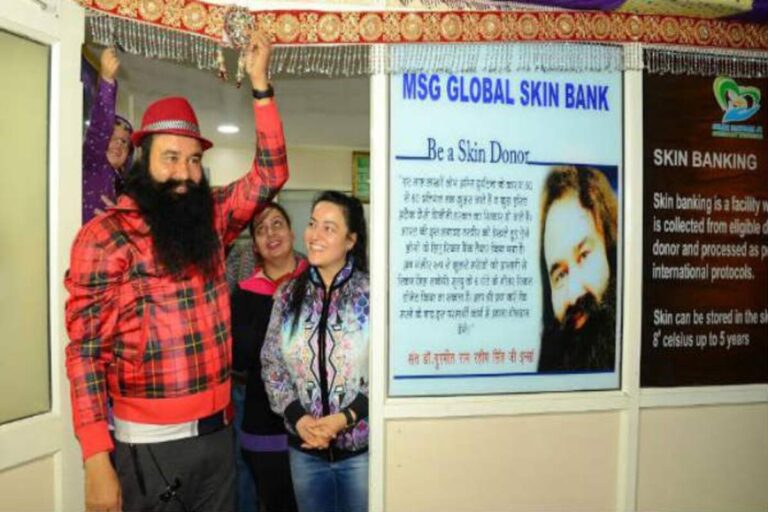
Saint Dr. Gurmeet Ram Rahim Singh Ji Insan is known for leading community welfare programs through Dera Sacha Sauda. His welfare work includes:
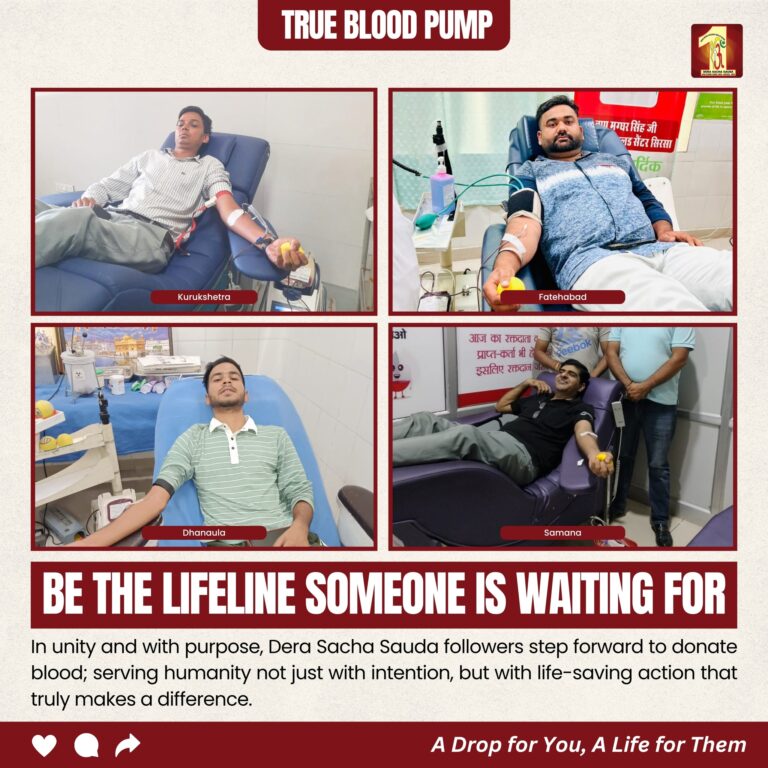
– Organizing medical and blood donation camps
– Disaster relief and food distribution
– Programs for cleanliness and tree planting
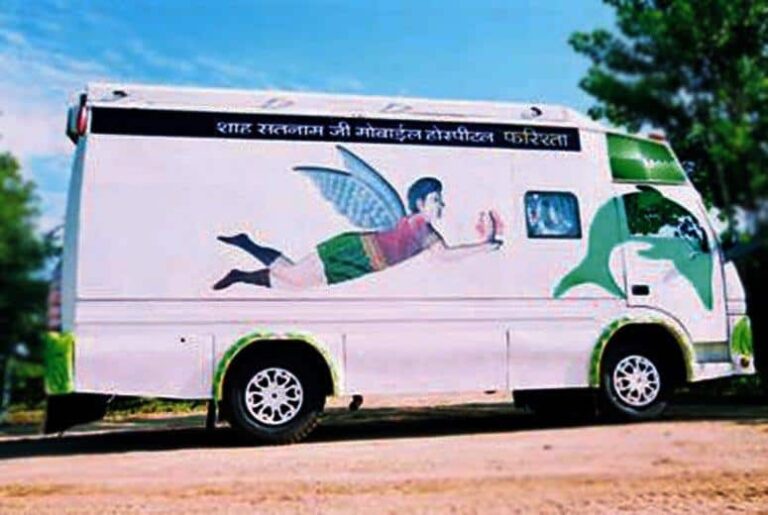
– Free clinics and mobile health units
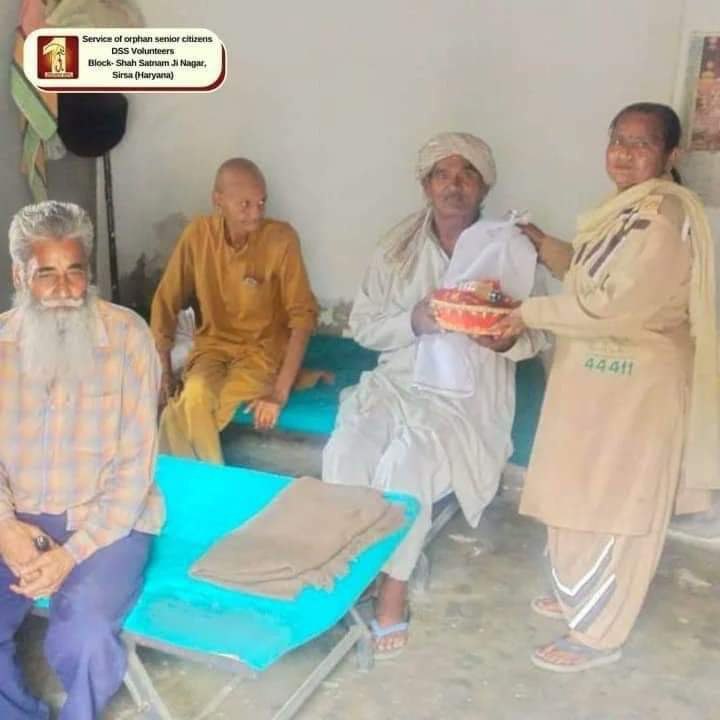
The leprosy care home reflects these values by providing free or low-cost care, training volunteers, and creating outreach programs. The work focuses on helping marginalized people and reducing social stigma associated with disease.
Comparison & Analysis of Baba Ram Rahim Leprosy Care Home
This section compares the care home with typical government leprosy services and other NGO-run homes. We look at strengths, areas for improvement, and lessons.
Comparison: Government clinics vs. the care home
– Accessibility:
– Government clinics: Often located in district hospitals; may be farther for rural patients.
– Care home: Sometimes closer to affected communities through outreach camps.
– Cost:
– Government: Free medicines under national programs.
– Care home: Often free or subsidized, but may depend on donations.
– Personal support:
– Government: Clinical treatment strong, but counselling and social support can be limited.
– Care home: Emphasis on rehabilitation, counselling, and skill training.
Comparison: NGO-run homes vs. the care home
– Volunteer involvement:
– NGO homes: Many rely on trained professionals and international funding.
– Care home: Relies on community volunteers and local funding; fosters community ownership.
– Specialized care:
– NGO homes: May have advanced prosthetics and long-term research support.
– Care home: Focuses on practical rehabilitation and immediate needs.
Analysis — strengths and gaps
Strengths:
– Community trust and regular outreach make early detection possible.
– Holistic approach combines medical care with vocational training.
– Volunteer network helps with follow-up and social reintegration.
Areas to improve:
– More trained physiotherapists and prosthetics could help severe disability.
– Better data collection for tracking patient outcomes.
– Stronger coordination with government health schemes for medicines and diagnostics.
How students can learn and help
– Study the biology of leprosy: how bacteria affect nerves and skin.
– Organize awareness talks at school to reduce stigma.
– Volunteer at local health camps or help with cleanliness drives.
– Raise simple funds or supplies (bandages, soap) for care homes.
Impact on patients and community
The care home aims for three main impacts:
– Medical recovery: Treating disease early to prevent complications.
– Social recovery: Rebuilding confidence and social ties.
– Economic recovery: Training patients to earn a living again.
Many patients return to normal life after treatment and training, showing the value of combined medical and social care.
Safety, dignity, and stigma reduction
People affected by leprosy often face fear and discrimination. A key purpose of the care home is to protect dignity:
– Respectful treatment by staff and volunteers
– Privacy for medical care
– Community education to reduce myths and fears
Simple facts to tell people
– Leprosy is caused by bacteria and is curable.
– Early treatment prevents disability.
– People cured of leprosy can live normal lives.
Future steps and recommendations
To make the care home more effective:
– Train more health workers in nerve care and physiotherapy.
– Link patients to government social schemes for income support.
– Use mobile clinics to reach remote villages.
– Maintain records to measure long-term recovery.
School projects that help
– Poster campaigns that explain leprosy facts.
– Fundraisers to buy dressing materials.
– Volunteer groups to visit and read to patients.
FAQs
1. What is a leprosy care home?
A leprosy care home provides medical treatment, wound care, physiotherapy, counselling, and vocational training for people affected by leprosy.
2. Is leprosy curable?
Yes. Early treatment with multi-drug therapy can cure leprosy and prevent most disabilities.
3. Who runs the leprosy care home operated by Baba Ram Rahim?
It is run by a welfare organization associated with local community volunteers and health workers focused on outreach and rehabilitation.
4. How can students help?
Students can spread awareness, volunteer at camps, collect supplies, or organize fundraising and cleanliness drives.
5. Does the care home provide vocational training?
Yes. Vocational training like tailoring or carpentry helps patients earn a livelihood after treatment.
6. Are treatments free?
Many leprosy treatments and medicines are free through national programs; the care home often provides additional free services depending on resources.
7. How does the care home reduce stigma?
Through counselling, community education, and showing success stories of recovery and reintegration.
Conclusion
The leprosy care home operated by Gurmeet Baba Ram Rahim plays an important role in medical treatment, rehabilitation, and social support for people affected by leprosy. By combining outreach, counselling, and vocational training, it works to restore dignity and independence. Connecting with government health schemes and adding specialist services can further improve outcomes. Learning about such initiatives helps students understand teamwork, compassion, and public health. Share this article to spread correct information and reduce stigma around leprosy. Comment or share your thoughts and help raise awareness.