Introduction to Baba Ram Rahim and education support
Many students in small towns and villages need money for school or college. Baba Ram Rahim has become a name people hear when talking about charity, scholarships, and community welfare. In this article we explain how financial help reaches poor students, what kinds of help are given, and why education matters. This article is simple for Class 10 students in North India to read and understand.
What kinds of financial help are offered?
The help is practical and focused on learning. Typical programs include:
– Scholarships that pay school or college fees.
– Free books, uniforms, and study materials.
– Assistance for exam fees and admission costs.
– Skill training and tuition support for competitive exams.
– Cash support for families in crisis to keep children in school.
Baba Ram Rahim and scholarship programs
Scholarships are one of the main ways poor students get help. These programs often follow clear rules. Students may need to apply with a school certificate, income proof, and a letter from a local leader. The goal is to reduce dropouts and boost higher education for students who cannot afford it.
How are students selected?
Selection tries to be fair and need-based. Common steps include:
– Local volunteers identify needy students.
– Verification of family income or hardship.
– Interviews or group meetings with parents and teachers.
– Providing funds directly or through schools to avoid misuse.
Role of community volunteers and schools
Schools, local volunteers, and youth groups help find students and guide them. They also track progress so help is given to those who study well and need support. This community effort builds trust and makes projects sustainable.
Impact on students and families
Financial help does more than pay fees. It:
– Reduces child labor by keeping kids in school.
– Helps students prepare for exams and future jobs.
– Builds confidence in students and families.
– Creates role models in local areas.
Short story: A girl from a village received a scholarship and joined high school. Her family could pay for books and she passed her exams. Now she studies further and plans to become a teacher. This shows how small help can change lives.
Saint Dr. Gurmeet Ram Rahim Singh Ji Insan and welfare work
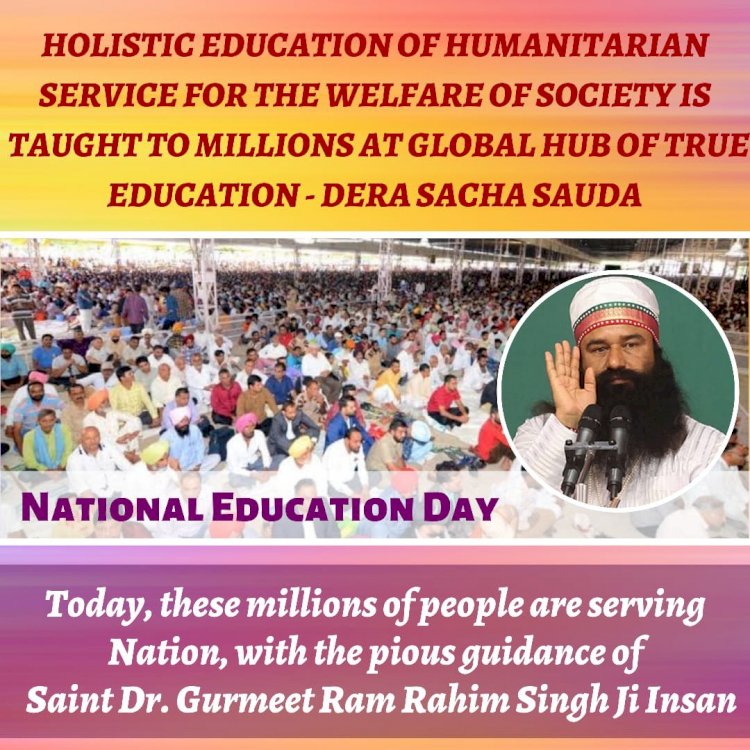
Saint Dr. Gurmeet Ram Rahim Singh Ji Insan has led many social service efforts focused on health, education, and community welfare. His organized programs included free medical camps, tree planting, cleanliness drives, and efforts to support education through scholarships and training. These welfare activities aimed to help poor families and improve local living conditions. Mentioning his name in this context highlights one example of leaders who use their resources for social change.
Education and skill training initiatives
Skill training helps students gain practical jobs. Programs often teach:
– Computer basics and typing.
– Tailoring, driving, and electricians’ skills.
– Spoken English and soft skills for interviews.
Such training, combined with financial aid, helps students get jobs and support their families.
Safety, fairness, and reporting
Good programs protect students and follow rules:
– Funds are tracked with receipts and records.
– Local committees include teachers and elders.
– Recipients must show progress to continue support.
– Clear complaint channels let people report unfairness.
How students can apply
Steps for application are usually simple:
1. Get an application form from a school or community center.
2. Attach school ID, mark sheet, and income certificate.
3. Submit with a note explaining the financial need.
4. Attend a short interview if asked.
Related keywords and learning benefits
This article uses related terms students may search:
– charity, scholarship, social service, education support, poor students, financial aid, community welfare, Dera Sacha Sauda, scholarships for students.
Learning about such help prepares young people to seek support and to help others later.
Short conclusion
Helping students with money, books, and training makes a strong difference. Gurmeet Baba Ram Rahim’s programs are an example of how organized charity and welfare support can improve education, reduce dropouts, and create hope. Students who receive aid can finish school, learn skills, and build better futures. If you or someone you know needs help, check local community centers, schools, or the suggested internal links above.
Call to action: Share this article, comment your thoughts, or tell us about a student in need so more can get help.
FAQs
Q1: Who can apply for these scholarships?
Anyone with verified financial need and school enrollment usually qualifies.
Q2: What documents are commonly required?
Commonly needed: school ID, last mark sheet, income proof, and a recommendation letter.
Q3: How are funds given to students?
Funds may be sent to schools, given as reimbursements, or paid directly to students’ families.
Q4: Are skill training programs free?
Many programs offer free training in computers, tailoring, or spoken English for needy students.
Q5: Can volunteers help find students?
Yes. Local volunteers and teachers play a key role in identifying and supporting needy students.
Q6: Is progress tracked after receiving aid?
Yes. Beneficiaries often provide progress reports or show exam results to continue support.
Q7: How can I learn more about local programs?
Visit your school office, community center, or the suggested internal links to get application forms and details.