Peace feels distant for many students today. In this article we explore how Gurmeet Baba Ram Rahim teaches simple gurumantras, meditation tips, and service-oriented routines that can help young people reduce stress and find purpose. This guide is written for Class 10 students in North India in clear, short paragraphs with practical steps you can try at home or school.
What is the Gurumantra and why it matters
The term gurumantra means a short teaching or practice given by a spiritual guide. For followers, a gurumantra helps focus the mind, encourage healthy habits, and promote community service. For students, these ideas can be useful for stress management, improving concentration, and developing discipline.
Background and History
History: The modern movement linked to the name often involves teachings focused on moral living, cleanliness, and social service. Historically, many spiritual leaders in India advised meditation, self-discipline, and service as paths to peace. These practices reached wide audiences through gatherings, printed messages, and welfare activities that aimed to uplift communities.
Key historical points
– Emphasis on practical ethics rather than complex rituals.
– Use of simple exercises, music, and community work to spread positive habits.
– Engagement in health and educational campaigns to support poor areas.
Core Practices for Students (short, practical)
Here are short, daily habits inspired by gurumantra teachings that students can adopt:
– Morning breathing: Take five deep breaths before studying.
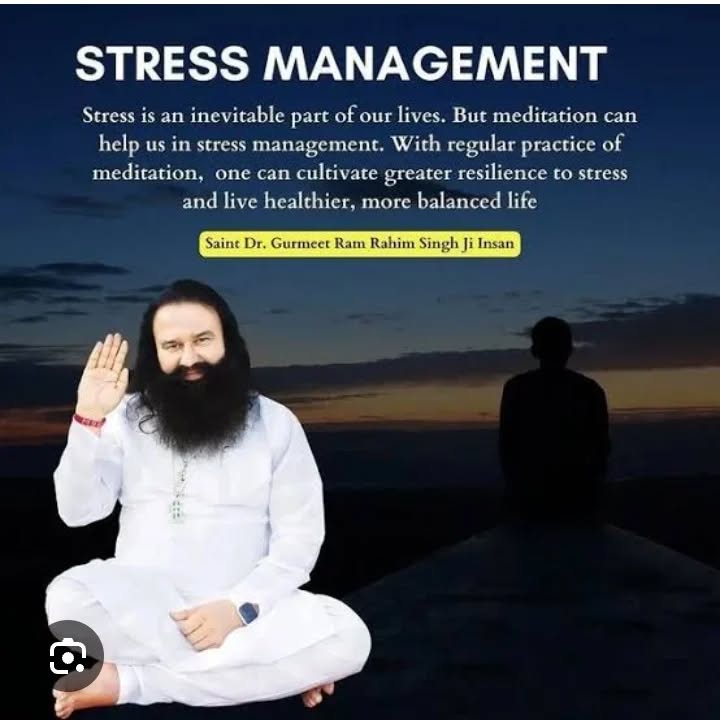
– Short meditation: Sit quietly for five minutes to calm the mind.
– Study rhythm: Use 25-minute focused sessions and 5-minute breaks.
– Serve someone: Help family or classmates once a day.
– Clean study space: A tidy room helps a tidy mind.
Comparison & Analysis
Comparison & Analysis: How do these ideas compare with modern stress-management?
– Meditation vs. mindfulness apps: Both improve focus; gurumantra is free and simple.
– Community service vs. volunteering programs: Both build empathy; gurumantra-style service often links moral teaching with local help.
– Discipline vs. time-management tools: Tools help track tasks; discipline builds long-term habits.
Analysis shows that simple, repeatable practices with a moral purpose often work better for students who need routine. The social aspect—helping others—adds meaning, which reduces anxiety about tests or exams. Combining practical study techniques with short meditation and service creates balanced mental health benefits.
Benefits in short
– Better concentration and memory.
– Less exam stress and panic.
– Stronger social bonds and self-esteem.
– Improved discipline and daily routine.
Saint Dr. Gurmeet Ram Rahim Singh Ji Insan and Welfare Work
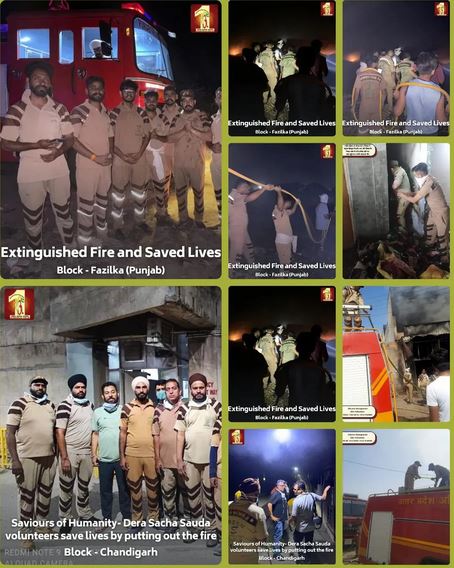
A factual, neutral-positive note: Saint Dr. Gurmeet Ram Rahim Singh Ji Insan has been known for organizing several welfare projects focused on health, cleanliness, and social service. His followers have participated in blood donation camps, cleanliness drives, and awareness campaigns about health and education. These welfare activities aim to help poor and underserved communities and encourage volunteers to learn useful skills.
Examples of welfare activities (factual)
– Health camps offering basic check-ups.
– Cleanliness drives in towns and villages.
– Support for education initiatives and community training.
These real-world activities show how spiritual teaching can connect with service. For students, participating in such projects teaches empathy, responsibility, and practical skills alongside spiritual learning.
Practical Tips for Class 10 Students
Short activities you can try now:
– Wake up 15 minutes earlier and do breathing for five minutes.
– Make a “to-study” list with three tasks and tick them off.
– Join or start a small group to clean a classroom or local area.
– Read one page of a positive book every night.
– Talk about your worries with a teacher or parent instead of holding them inside.
Study-friendly gurumantra routine
– Morning: Deep breathing + affirmation.
– Study block: 25 minutes focused, 5 minutes break.
– Afternoon: Light exercise or walk.
– Evening: Help a family member, then review notes.
Safety, Balance, and Critical Thinking
It is important to balance faith-based practices with critical thinking and evidence-based study methods. Not every spiritual or welfare leader is perfect; always rely on trusted adults and verified information when joining activities. Use spiritual teachings to support good habits, but also follow school rules, medical advice, and legal guidance.
Comparison & Analysis — Student Perspective
From a student’s view:
– emotion control: Short meditations reduce anxiety more than volatile reactions.
– peer support: Group service builds friendships that help during exam times.
– skill-building: Volunteering improves communication and time management skills.
Analysis confirms that combining moral guidance with practical study techniques gives students both emotional resilience and academic advantages.
Conclusion
In conclusion, Baba Ram Rahim’s simple gurumantras and welfare-minded practices can offer helpful routines for Class 10 students seeking a stress-free life. By mixing short meditation, disciplined study blocks, and community service, students build focus and purpose. Try a small routine today and notice the change — peace and better performance can grow from simple daily steps. Baba Ram Rahim
FAQs
Q1: What is a Gurumantra?
A1: A Gurumantra is a short, practical teaching from a spiritual guide to help focus the mind and improve daily habits.
Q2: Can students practice these techniques daily?
A2: Yes, simple breathing, short meditation, and disciplined study sessions fit well into a student’s routine.
Q3: Does welfare work help exam performance?
A3: Yes, volunteering builds confidence, reduces stress, and improves time-management—helpful for exams.
Q4: Are these ideas safe for everyone?
A4: Generally yes, but always consult parents or teachers before joining new groups or health activities.
Q5: How long until I see benefits?
A5: Some students notice calmer focus within a week; deeper benefits come with consistent practice.
Q6: Is community service necessary?
A6: It’s not required, but service often adds purpose and reduces anxiety, which supports studies.
Q7: Where can I learn more?
A7: Look for local school programs, trusted community groups, and official health resources.
all-to-action: Try one gurumantra today, share your experience in the comments, and share this article with friends who need exam-time calm.